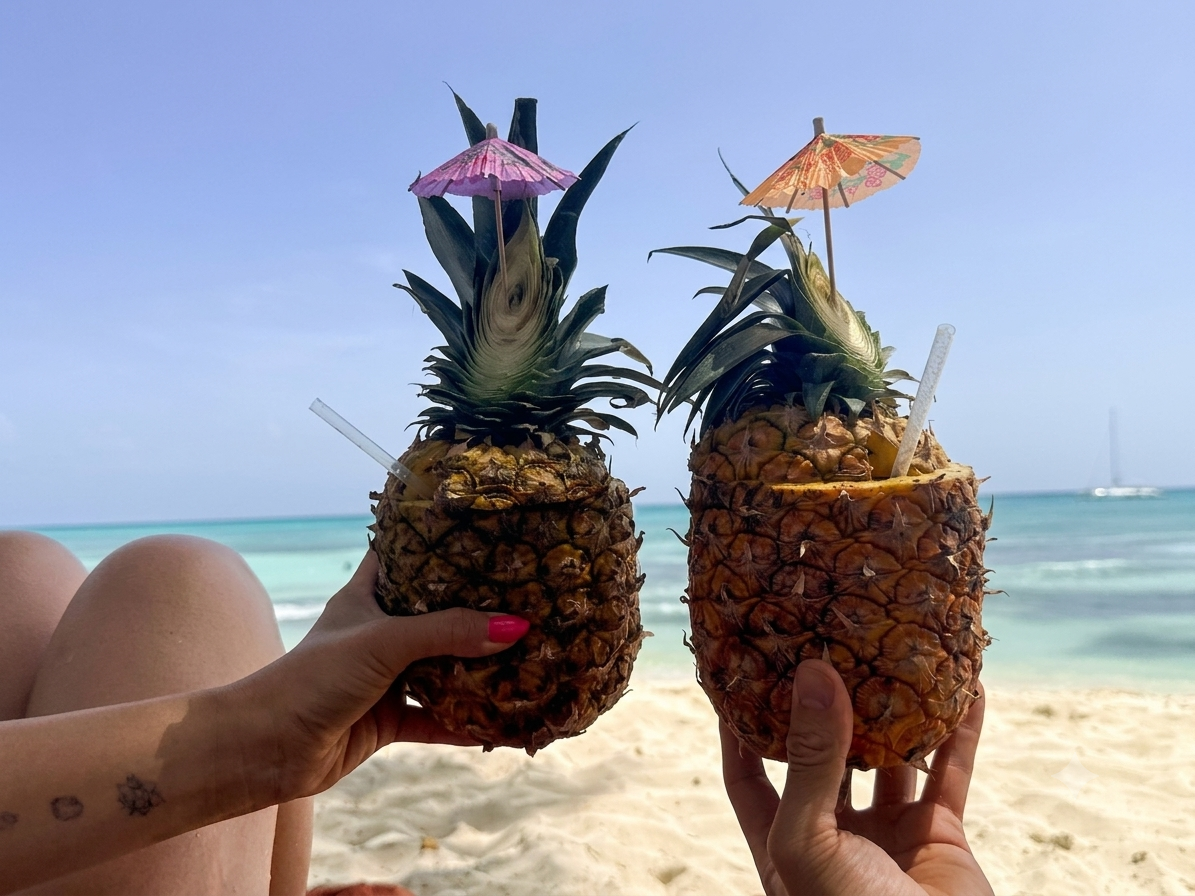
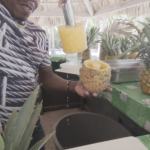
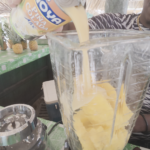
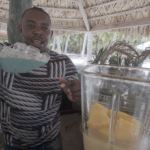
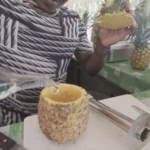
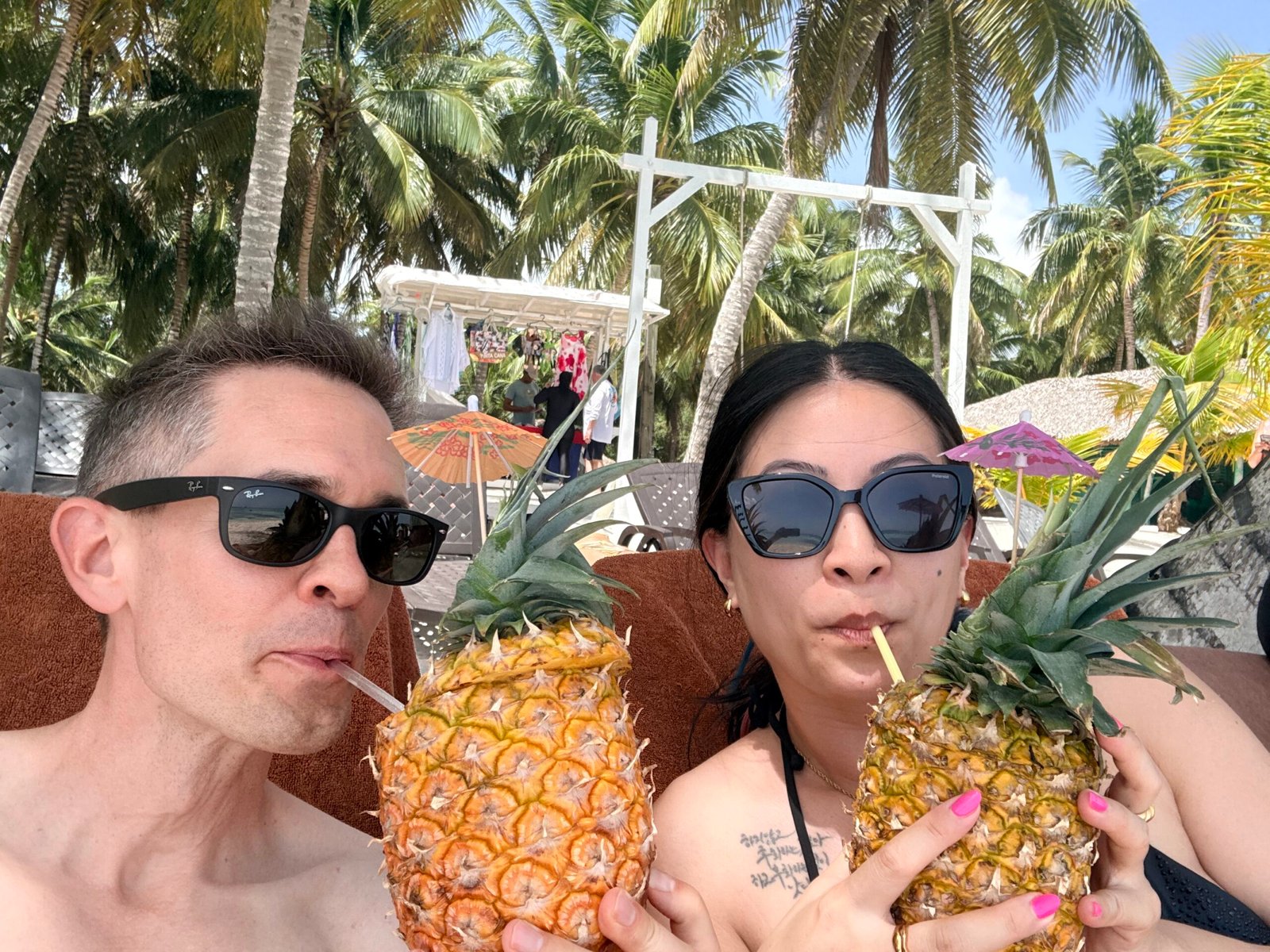
There’s a particular kind of piña colada you only get once, from someone who’s made ten thousand of them and still cuts the pineapple to order. Ours came from a stretch of white sand off Bayahibe, on the boat-only shores of Saona Island in the Dominican Republic and we can’t have it any other way now.
The boat out
Saona sits inside Parque Nacional del Este (Cotubanamá), a protected stretch of the Dominican Republic’s southeastern coast, and the only way in is by water. We went the classic route: out from Bayahibe by boat, the fishing village shrinking behind us, palm-lined coastline blurring past on the crossing. About halfway there, the boat slows for the piscina natural — a sandbar in the open sea, shallow enough to stand in, where the water turns a genuinely improbable turquoise and starfish sit scattered across the sea floor like something staged for a photo. It isn’t staged.
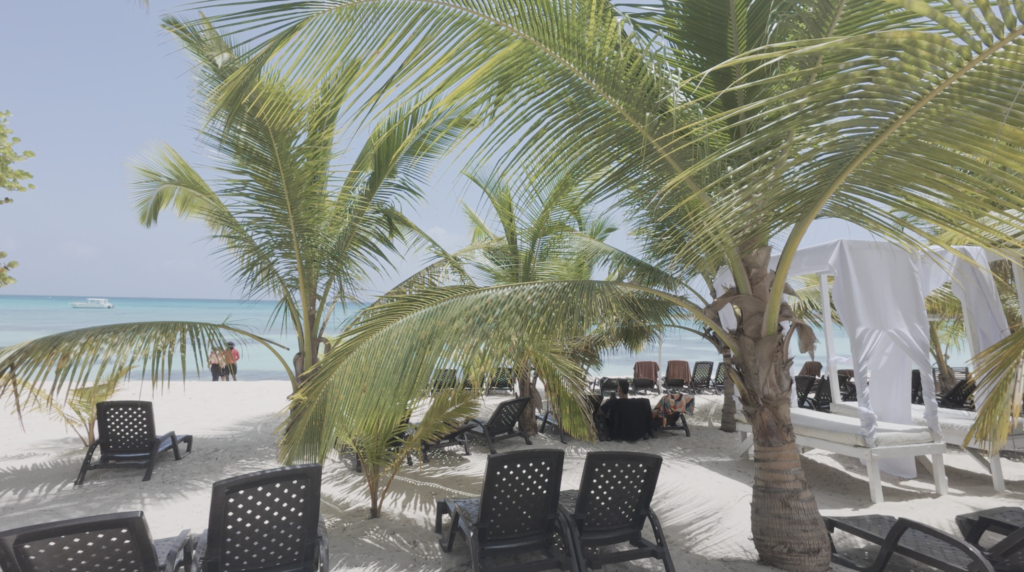
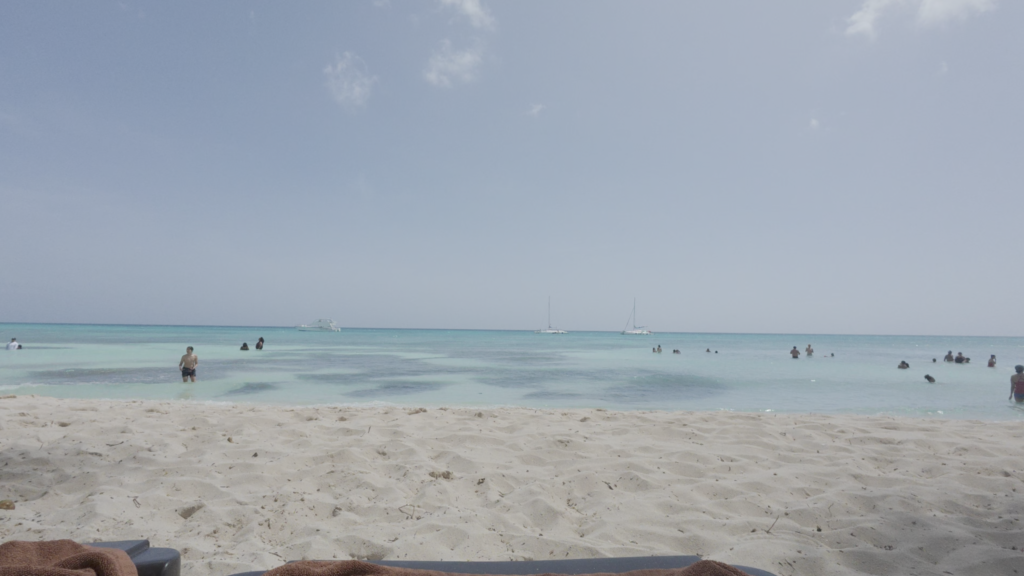
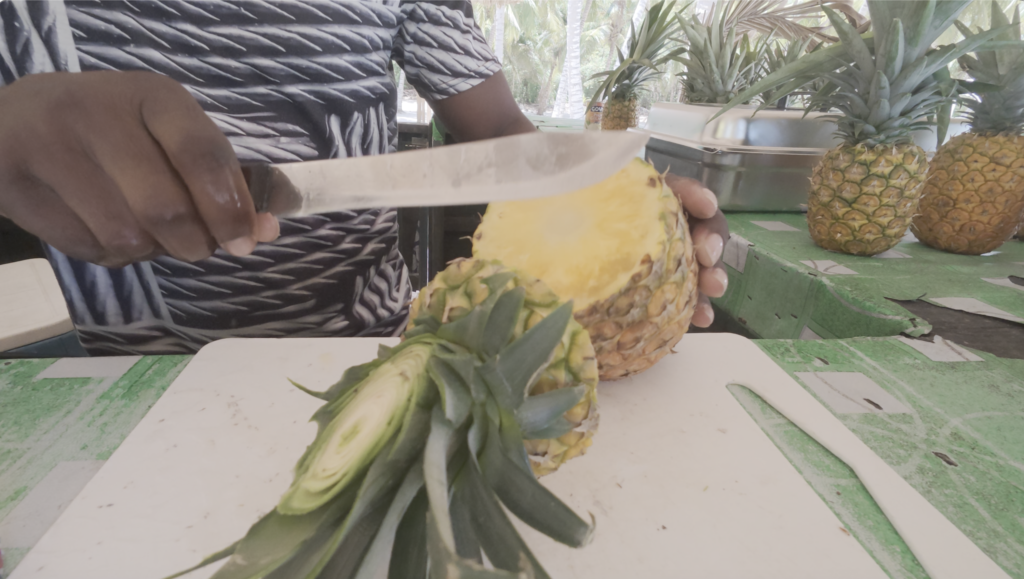
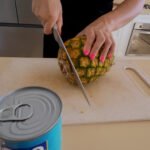
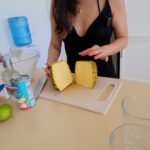
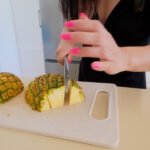
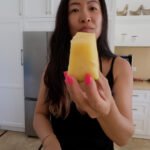
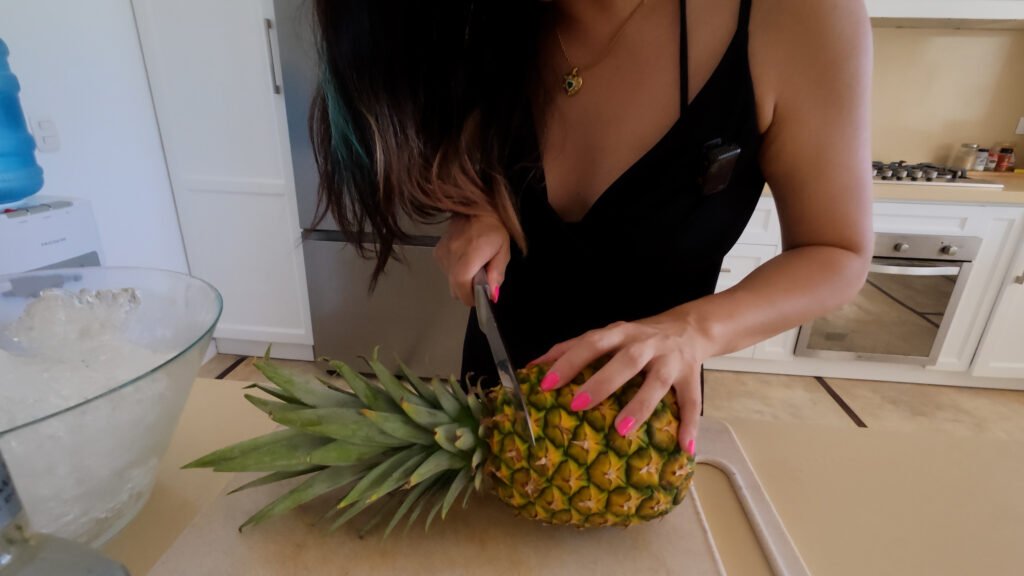
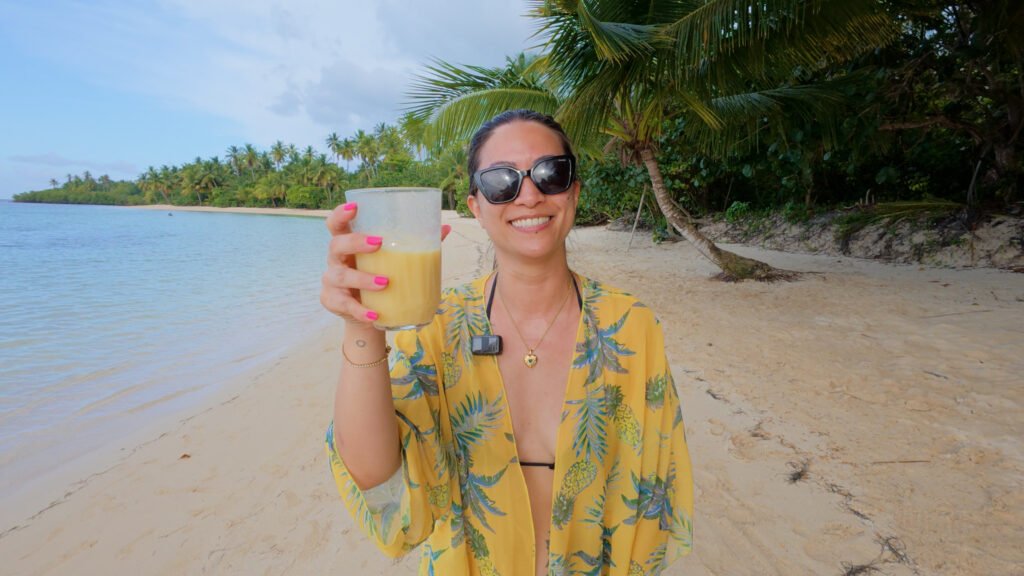
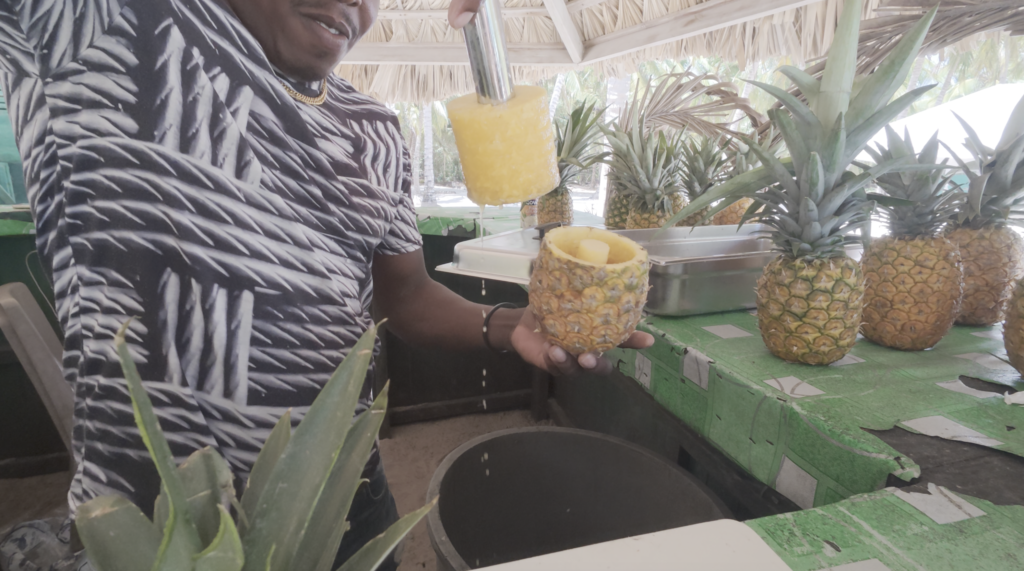
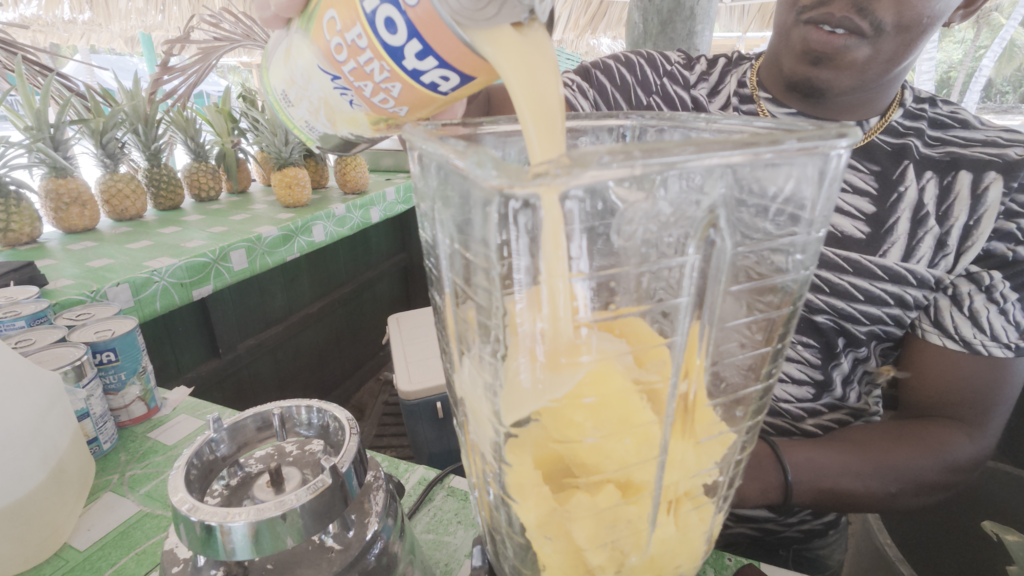
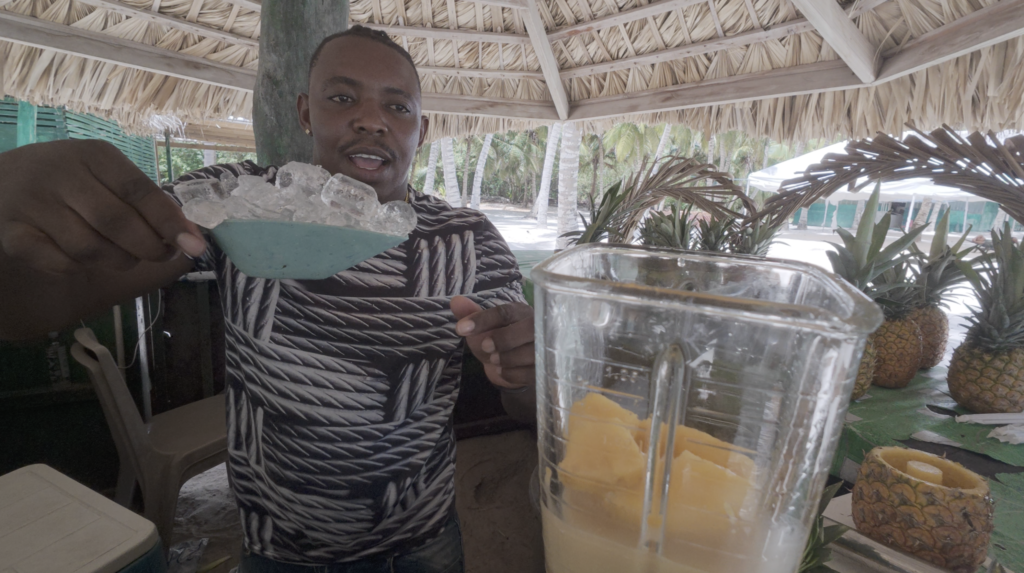
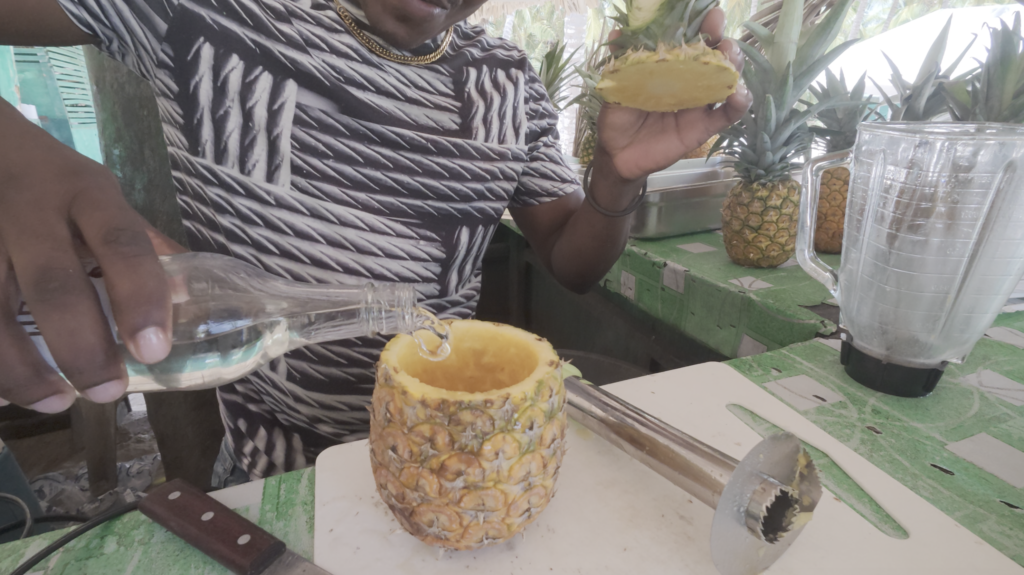
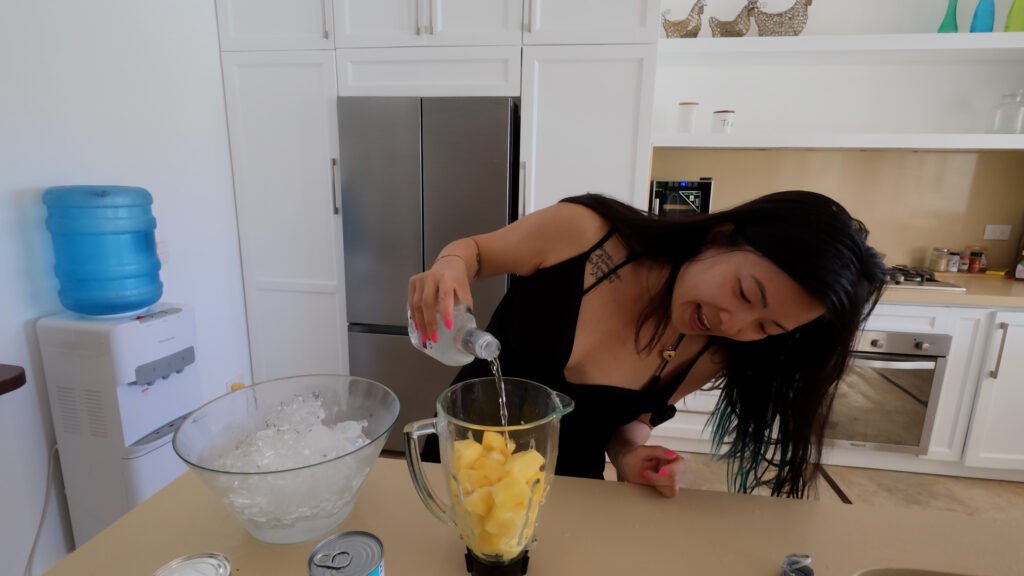
By the time we reached the beach with palm trees and powder-fine sand, the kind of Caribbean postcard shot that usually feels exaggerated until you’re standing in it — lunch and rum were already part of the itinerary. But it was a vendor working a small bar near the shoreline who made the drink we still talk about. No menu, no jigger, just a machete, a pineapple corer, a well-worn blender, and decades of doing this by feel. He topped and tailed a pineapple with the machete in two clean strokes, then twisted the corer straight down through it — one motion separating the flesh from the skin and punching out the core, chopped into chunks and straight into the blender jug. In went a generous glug of local white rum and a good amount of thick, sweet coconut cream, then it was all blended with ice, unstrained, until it turned into something closer to soft-serve than a cocktail. After one sip, we got everyone else on board!
Why it tasted like a different drink
Most piña coladas we’d had before that day were built from a bottle of ready-mixed mix and whatever rum was closest to hand. What made this one different wasn’t a secret technique — it was that everything in it was made that morning. Fresh pineapple juice has a brightness and a slight tartness that the tinned version loses almost entirely; tinned juice is usually pasteurised and concentrated back down, which flattens the top notes and leaves mostly sweetness behind. Real cream of coconut — thick, rich, made from coconut meat rather than watery coconut milk — gives the drink body without needing much sugar on top. And a good Dominican white rum brings a clean, slightly funky sugarcane note that a mixer can’t fake. None of it was complicated. It was just done fresh, in front of us, by someone who’d been doing it long enough to know exactly how much of each to use without measuring.
That’s the thing that stuck with us on the ride back to the villa: it wasn’t a better recipe. It was better ingredients, handled properly.
Bringing it back to the pool
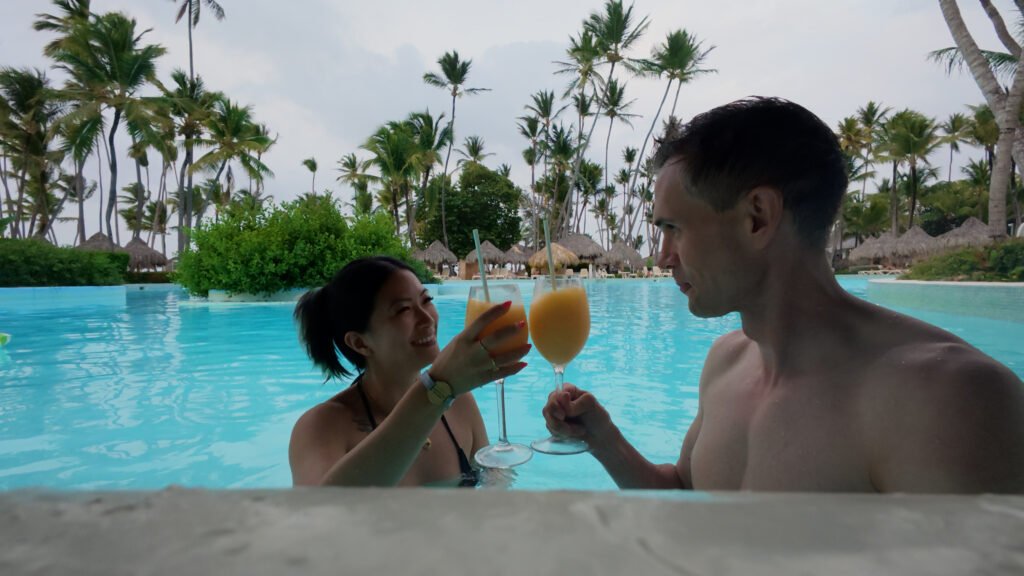
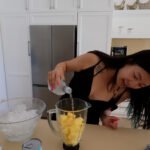
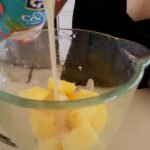
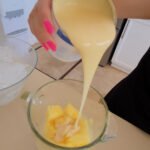
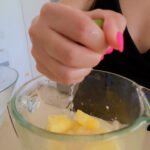
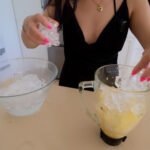
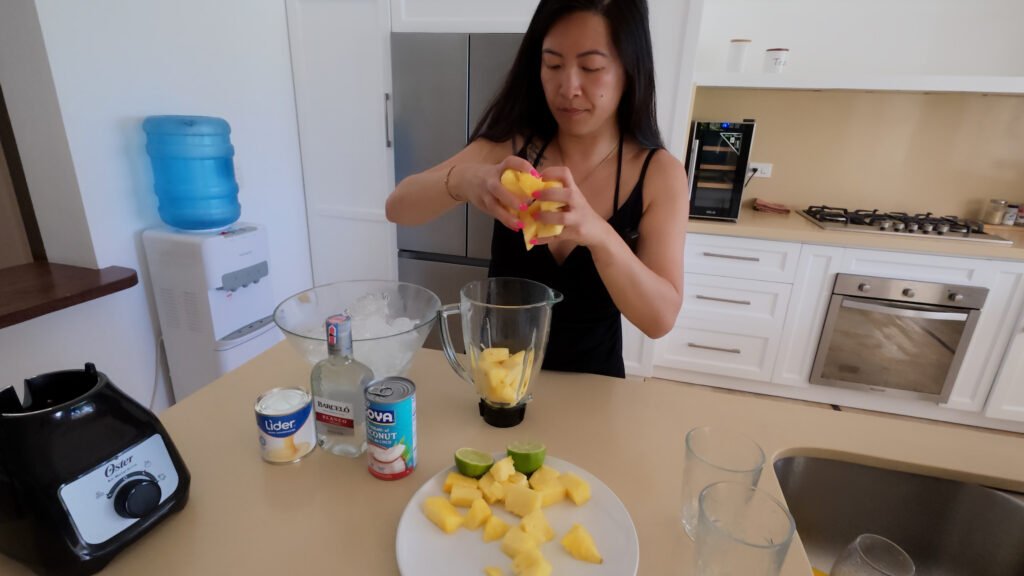
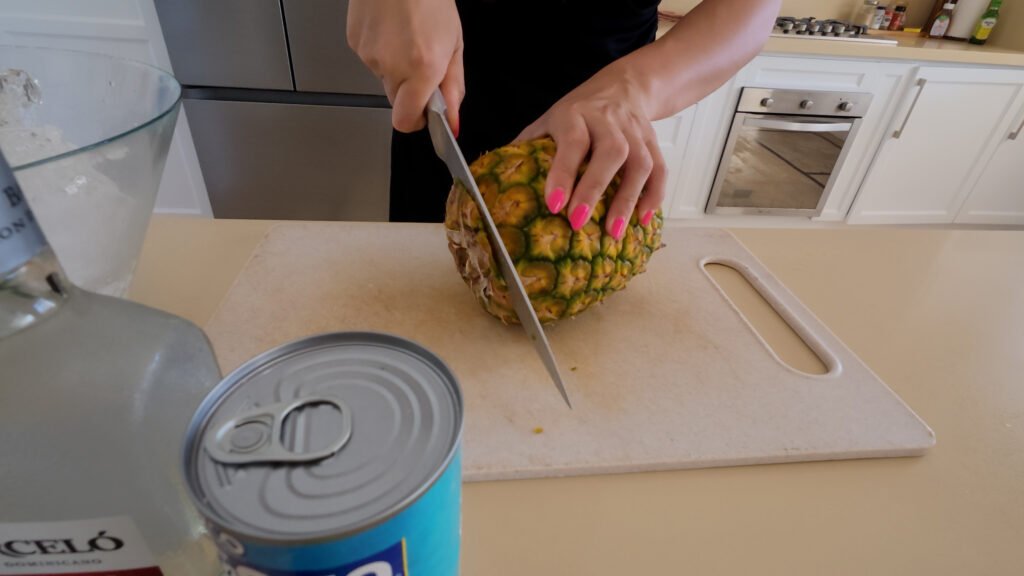
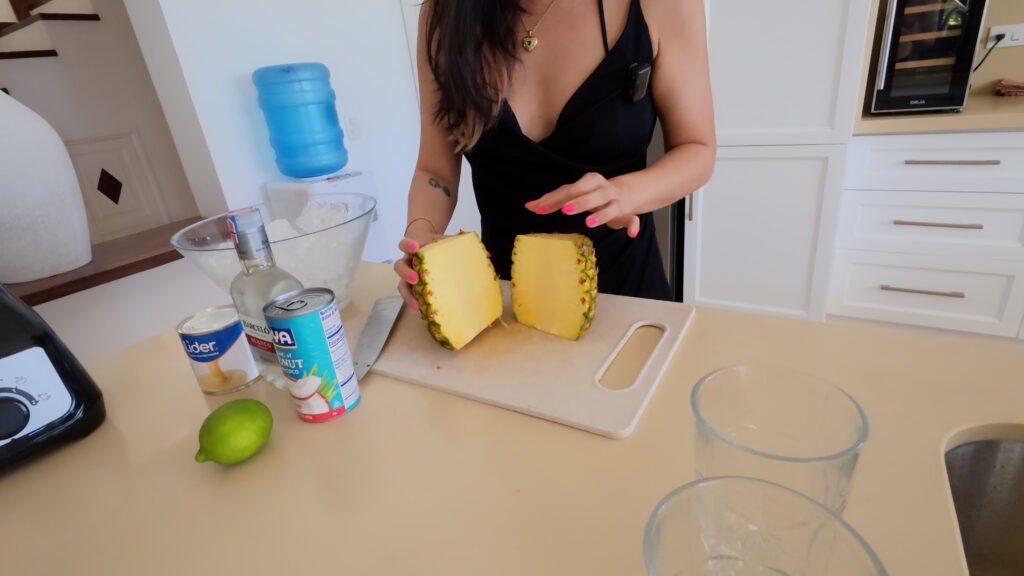
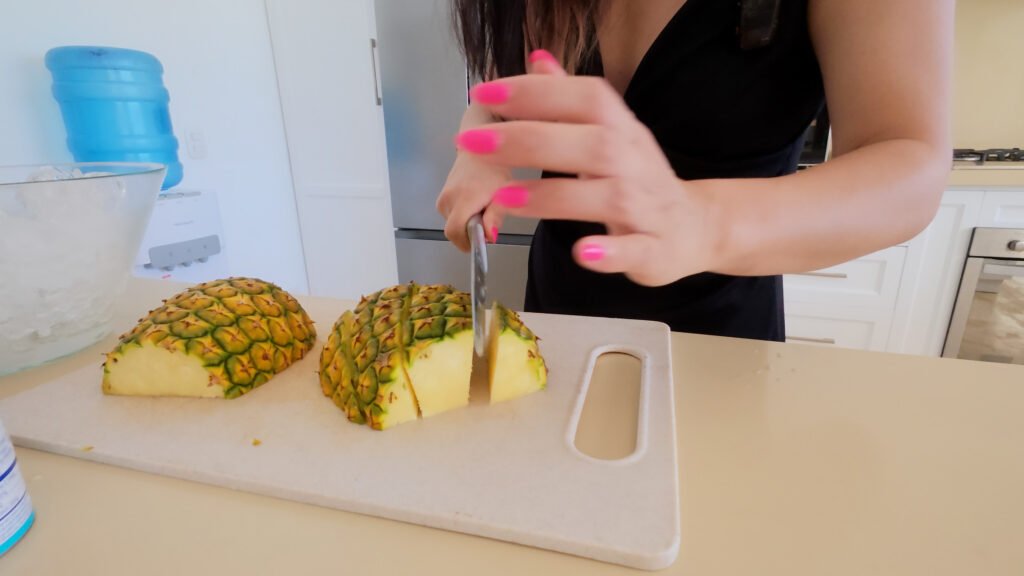
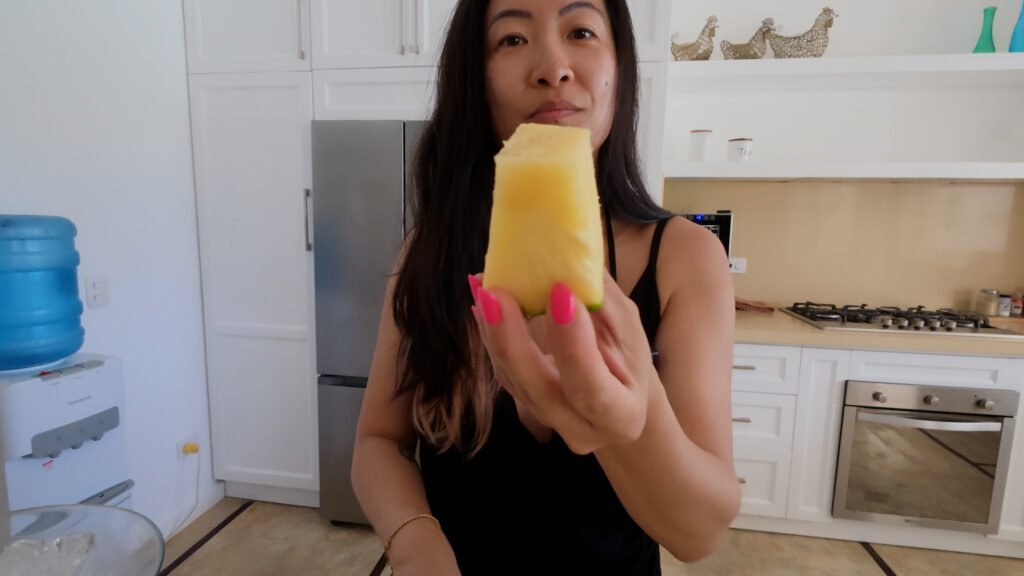
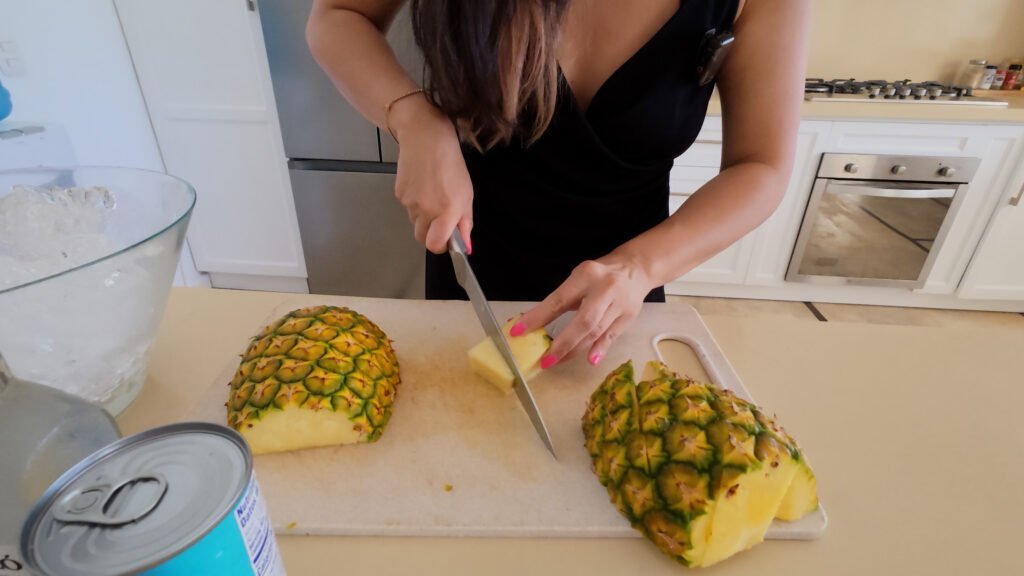
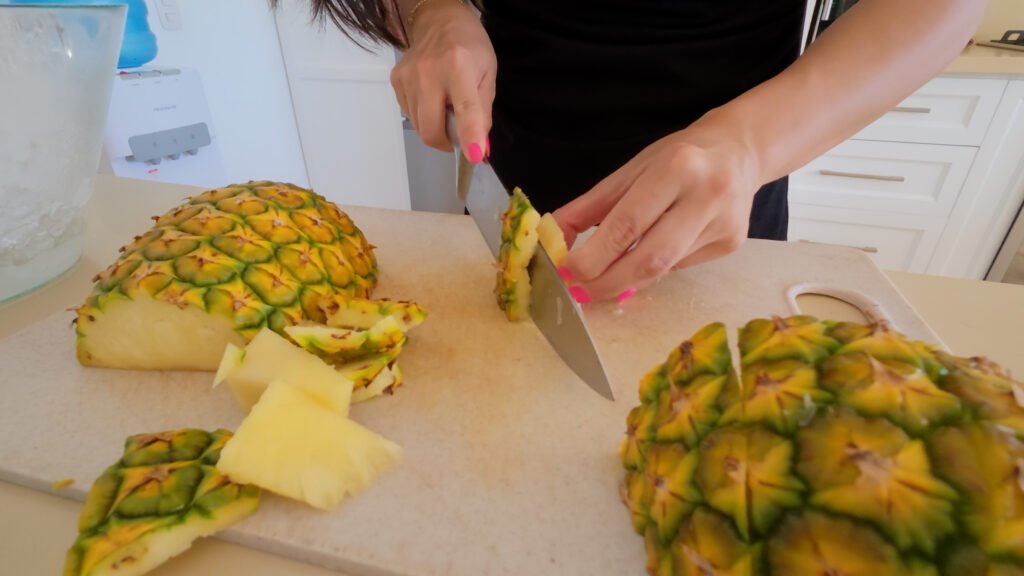
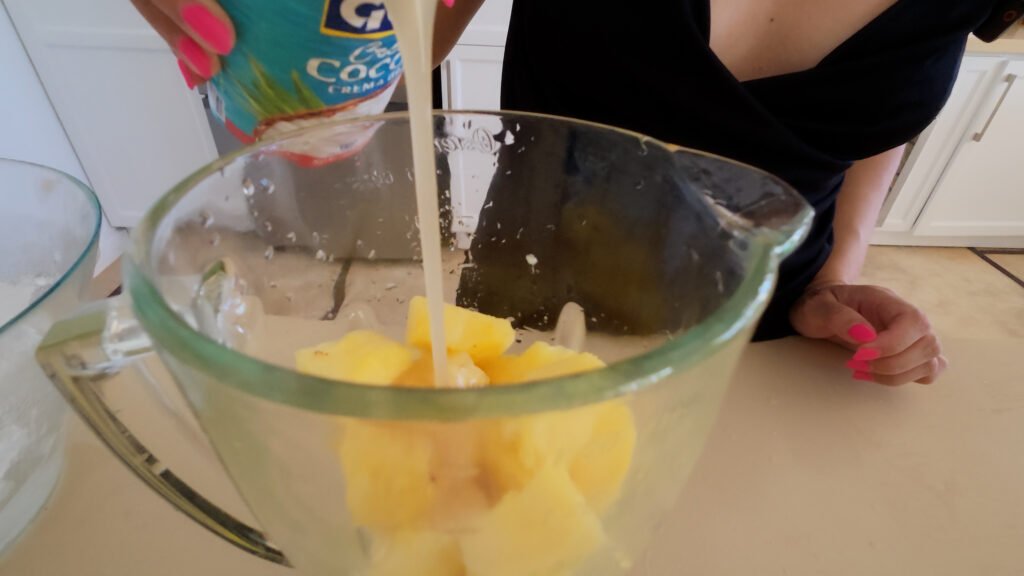
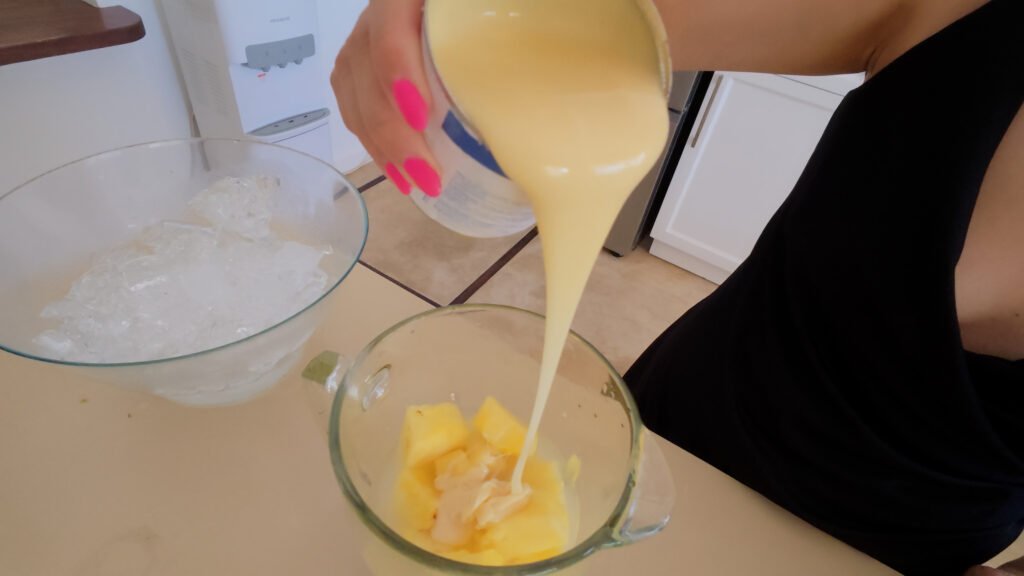
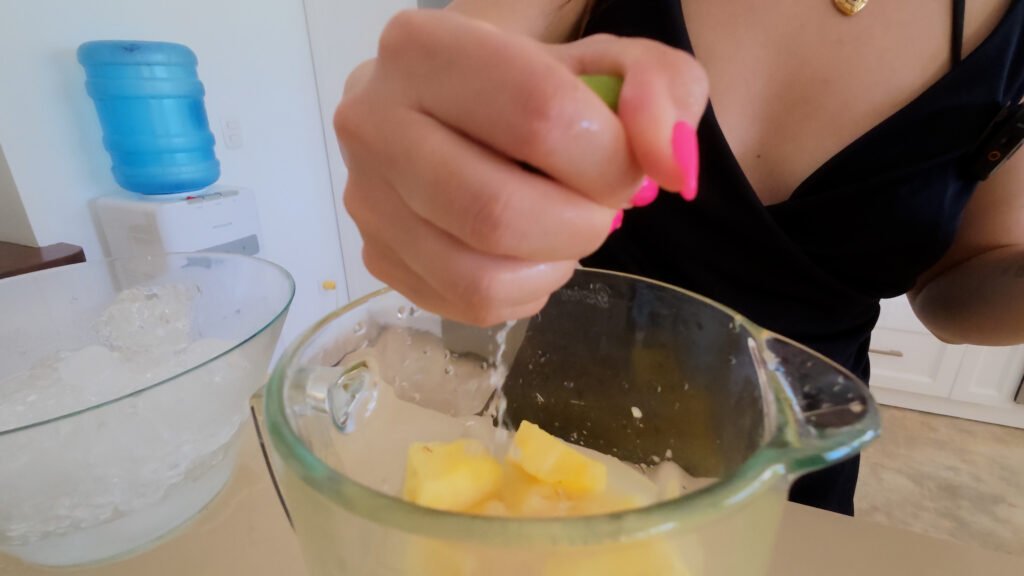
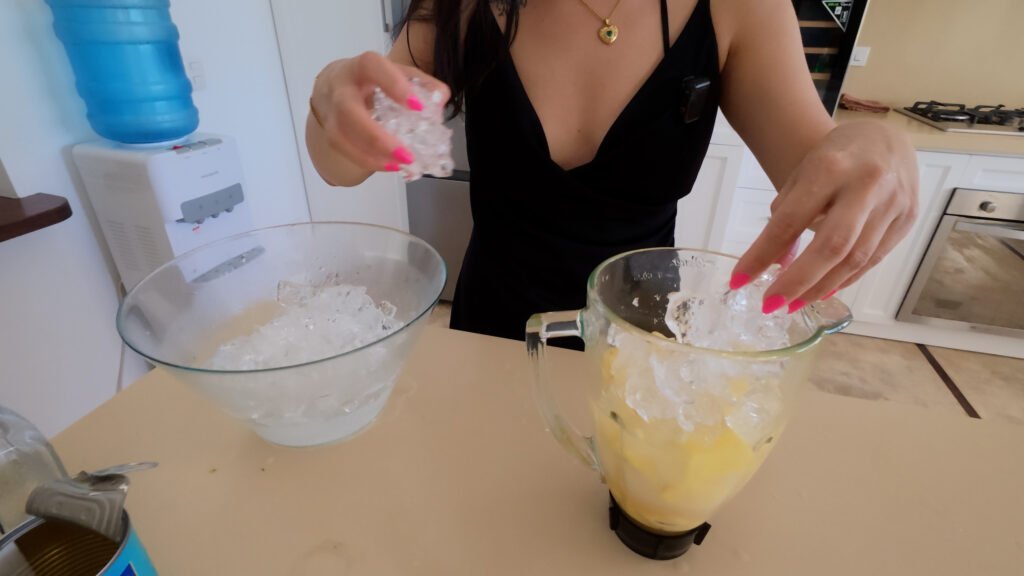
So that’s what we tried to recreate. No machete but a decent blender, a fresh pineapple from the local market, coconut cream, a splash of lime and a bottle of local white rum we’d picked up on the way back through town. Rather than juicing the pineapple and straining it, we just chopped it up — skin and core removed, flesh roughly cubed — and let the blender do the work. A spoonful of condensed milk went in too, for sweetness and a bit of extra richness that the unsweetened coconut cream didn’t quite bring on its own, and the lime was there to cut through it and stop the whole thing tipping into cloying. We settled on a simple 3-2-2 ratio — three parts chopped pineapple, two parts rum, two parts coconut cream — blended hard with ice, left unstrained so you get real pineapple texture running through it rather than a smooth, uniform drink. That first sip, drunk in the villa pool with the sun going down, brought the whole day back.
That’s the appeal of a drink like this as a piece of travel cooking: it’s about taking one good technique — fresh fruit, real coconut cream, a decent rum, blended properly — and having it become something you make at home, or by whatever pool you happen to be near, for the rest of the summer.
Making it your own
The full recipe is below, but a few notes if you’re building this outside the Caribbean:
- Rum: If you can’t get a Dominican white rum locally, look for any clean, light-bodied white/silver rum — Bacardí Superior and Diplomático Blanco are both easy to find and work well here. Avoid spiced or dark rum; it’ll muddy the colour and fight the pineapple.
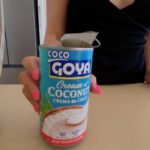
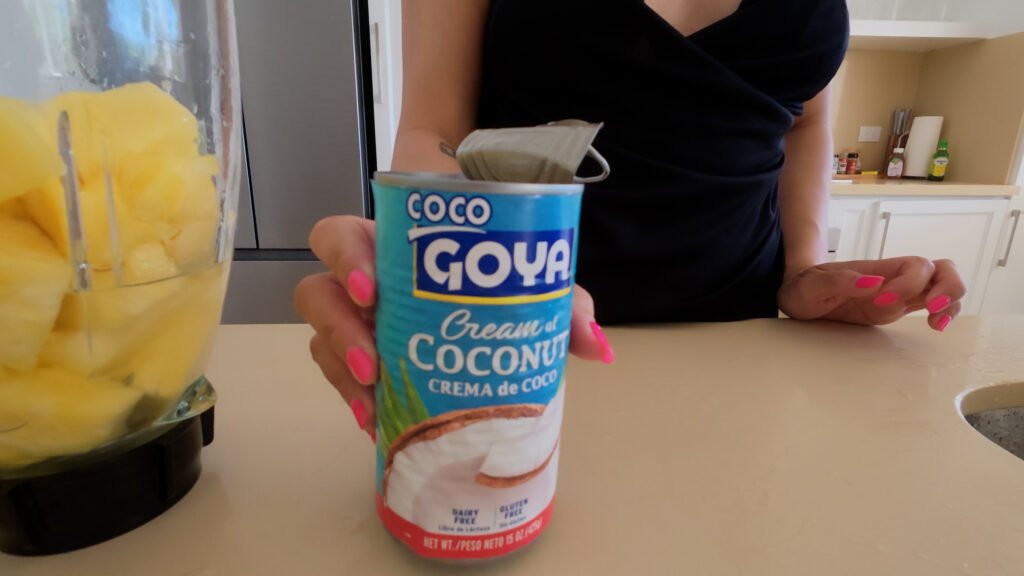
- Coconut cream, not coconut milk: We used unsweetened coconut cream — the thick, rich stuff, not the thinner tinned coconut milk you’d use in a curry. It gives body without pre-added sugar, which is why the condensed milk earns its place separately.
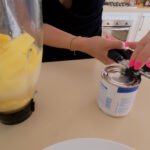
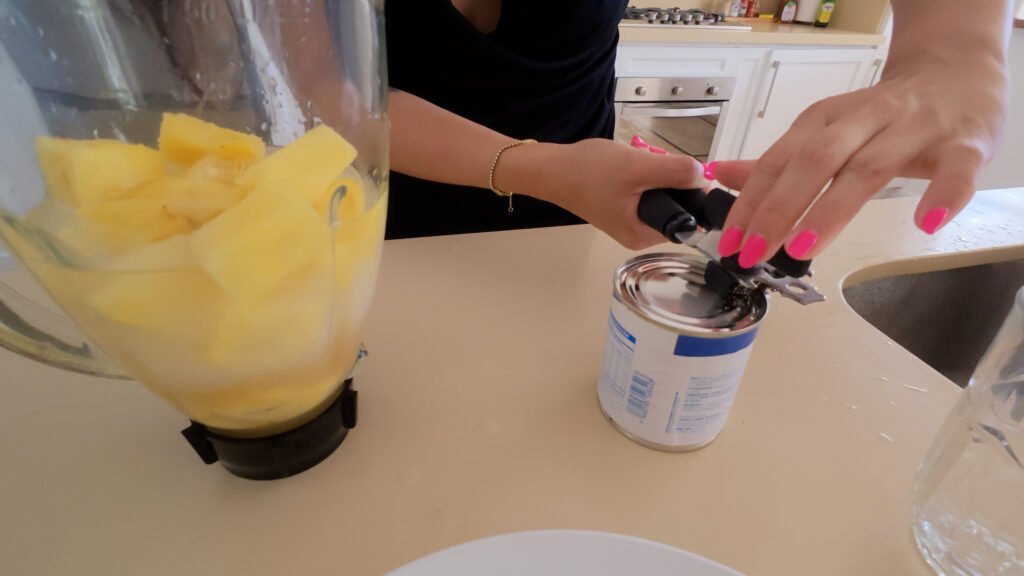
- Condensed milk: This is doing the sweetening job that a pre-sweetened “cream of coconut” (like Coco Lopez) would otherwise do in one step. If you’d rather use a ready-sweetened cream of coconut instead of unsweetened cream plus condensed milk, that works too — just taste as you go and dial back or skip the condensed milk.
- Lime: Just a splash. It’s not there to make the drink taste of lime — it’s there to stop the coconut and condensed milk tipping the whole thing into cloying, and to bring back a bit of the brightness that fresh pineapple juice would otherwise supply.
- Pineapple, chopped and unstrained: Skip the juicing and straining altogether — peel, core and roughly chop fresh pineapple, then blend it straight in with everything else. You lose the perfectly smooth texture of a strained juice, but you gain real pineapple fibre and flecks running through the drink, plus one less step.
- No blender, no problem: This particular unstrained version really does need a blender to break the pineapple down. If you’d rather shake it over ice for a lighter, more classic cocktail texture, juice the pineapple first and strain it or use pineapple juice — that’s the version to shake, not this one.
Find a poolside, a garden, or even just a sunny windowsill — this one’s meant to be drunk somewhere warm.
Piña Colada – Saona Island Style
Serves: 2-4
Prep: 15 minutes
Cook: 5 minutes
Ingredients
- 3 fluid ounces fresh pineapple, peeled, cored and roughly chopped
- 2 fluid ounces white rum (Dominican-style, or another clean light rum)
- 2 fluid ounces coconut cream, well shaken
- 1 fluid ounces condensed milk, to sweeten
- 0.5 fluid ounces fresh lime juice
- 1/2 cups of ice cubes, plus more to serve
- 1 fresh pineapple wedge, for garnish
- 1 fresh mint sprig, for garnish (optional)
Method
Prep the pineapple: Roughly chop 3 fluid ounces fresh pineapple, peeled, cored and roughly chopped — no need to be neat about it, the blender will finish the job.
Combine everything: Add the chopped pineapple to a blender with 2 fluid ounces white rum (Dominican-style, or another clean light rum), 2 fluid ounces coconut cream, well shaken, 1 fluid ounces condensed milk, to sweeten, 0.5 fluid ounces fresh lime juice and 1 cups crushed ice, plus more to serve.
Blend, don’t over-smooth: Blend until mostly smooth but still with visible flecks of pineapple running through — this one isn’t strained, so a little texture is exactly right. If it’s too thick, add a splash more rum or coconut cream; if too thin, add more ice.
Taste and adjust: Taste before serving. Too sweet? More lime. Not sweet enough? A touch more condensed milk. Want more kick? More rum!
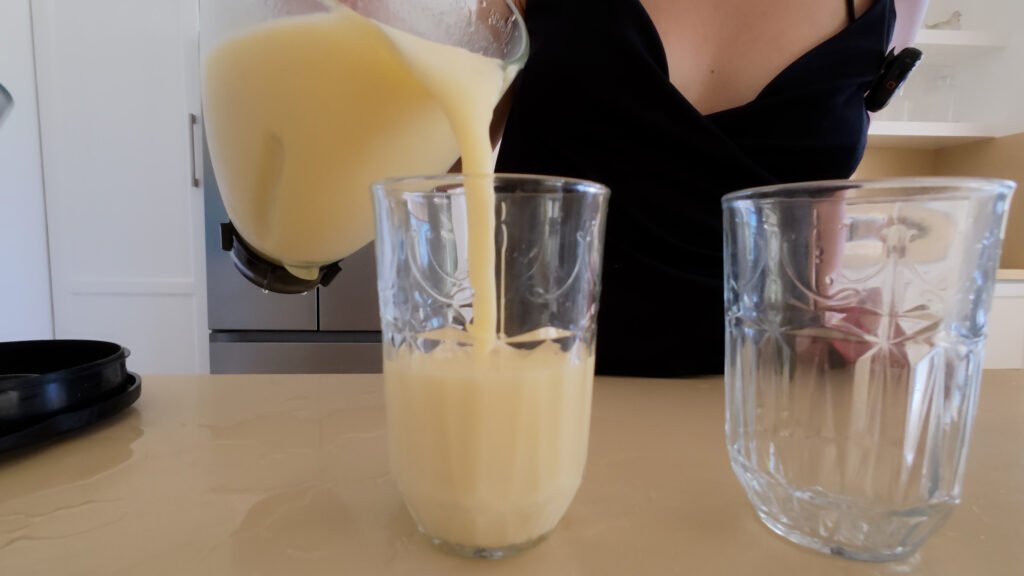
Serve immediately: Pour into chilled glasses, garnish with 1 fresh pineapple wedge, for garnish and 1 fresh mint sprig, for garnish (optional), and drink straight away — the pineapple pulp settles fast once it stops moving.
Notes
Ratio is by volume: 3 parts fresh pineapple : 2 parts white rum : 2 parts coconut cream.
Condensed milk and lime are added to taste on top of that ratio, not part of it. Start with the amounts given and adjust.
This version is deliberately left unstrained, so expect real pineapple texture rather than a perfectly smooth drink.
Blend in stages if your blender jug is small, and stir batches together before serving so the ratio stays even.