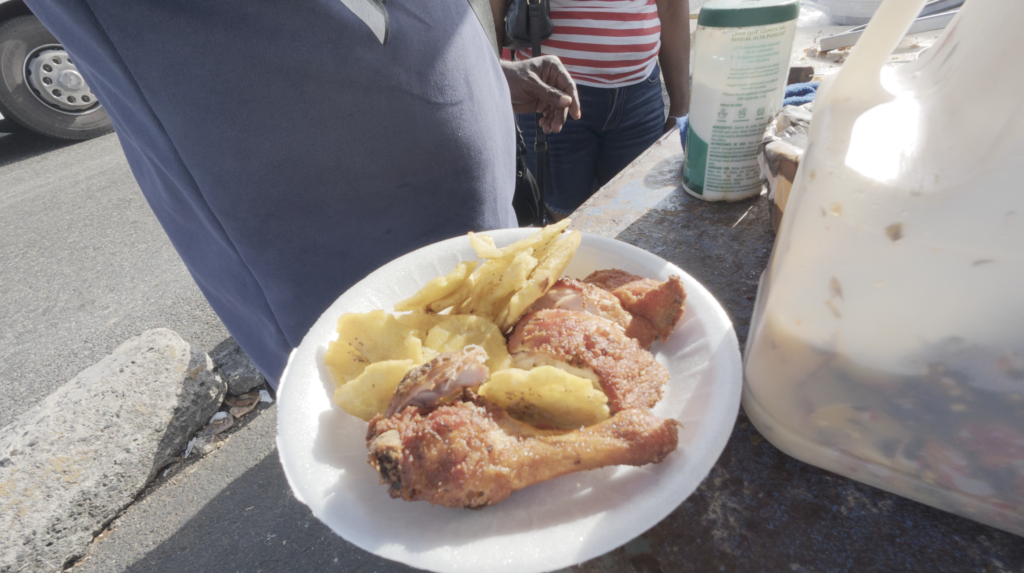
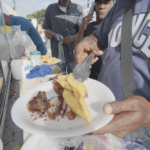
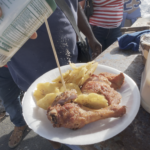
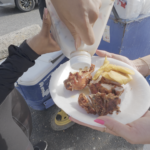
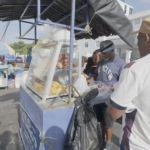
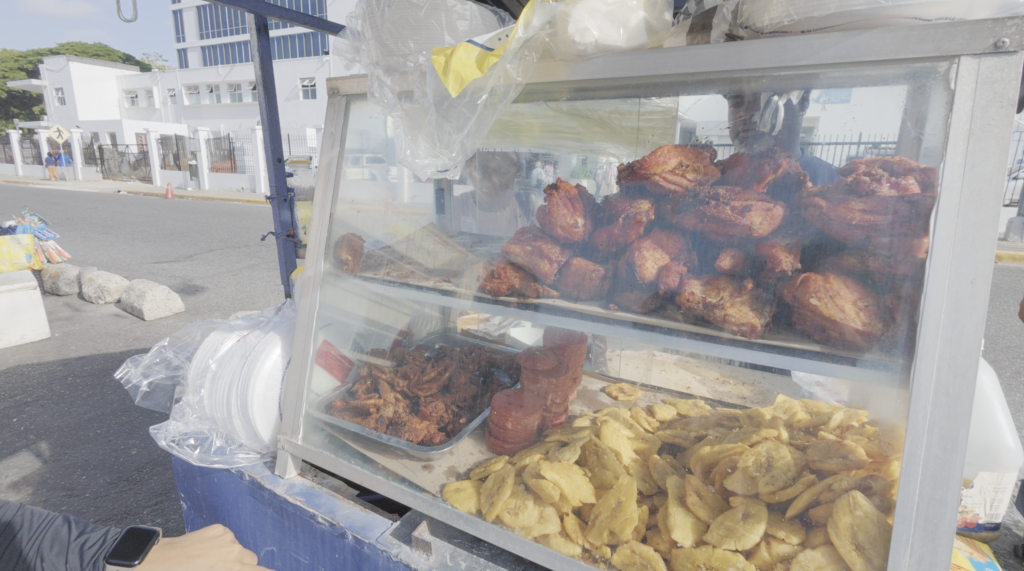
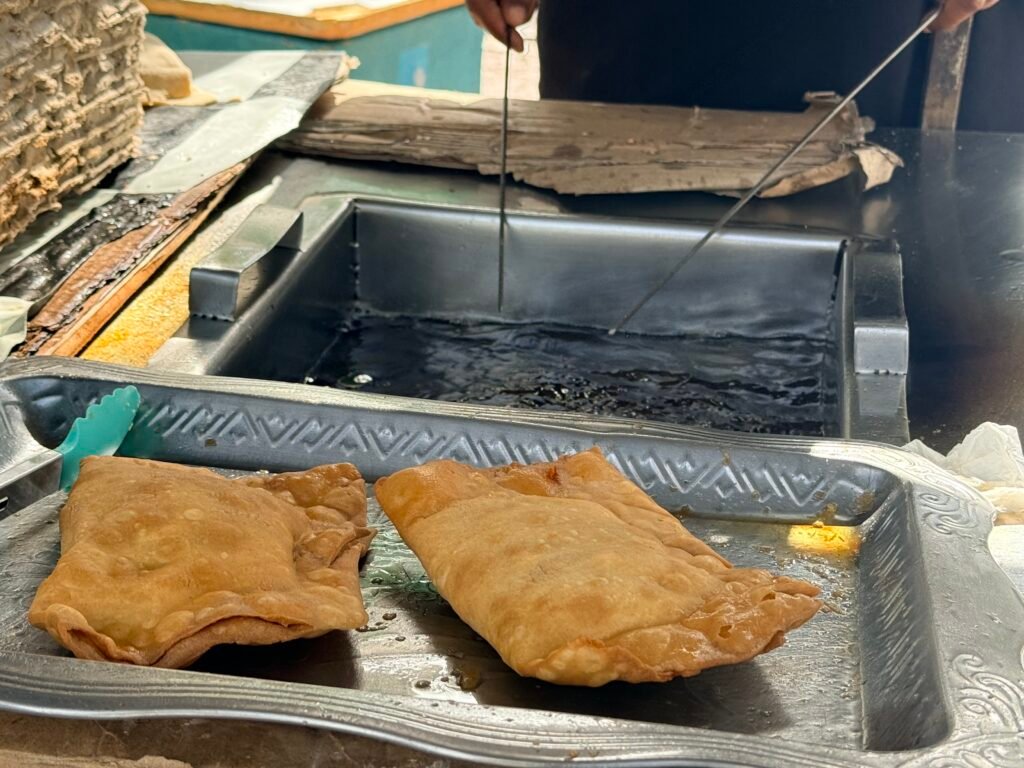
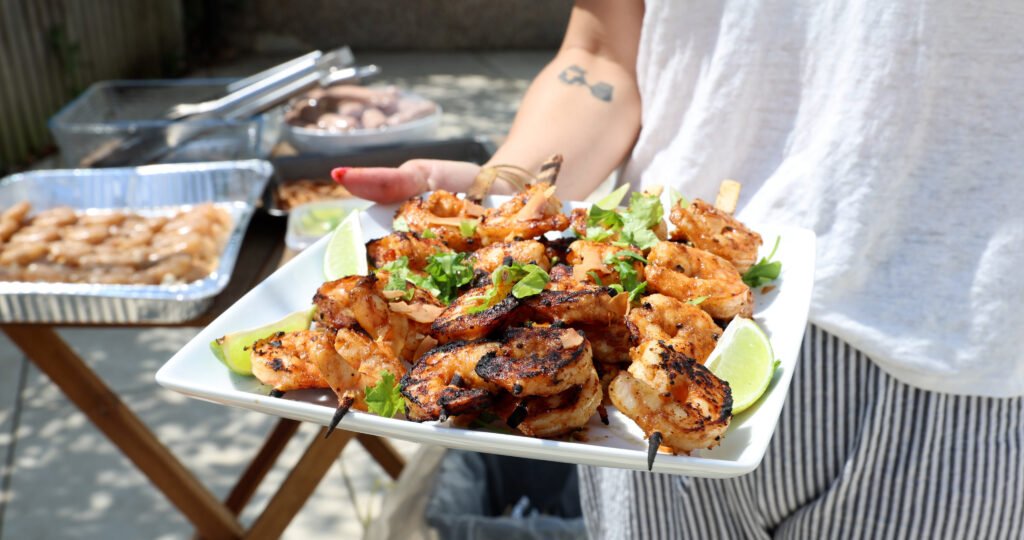
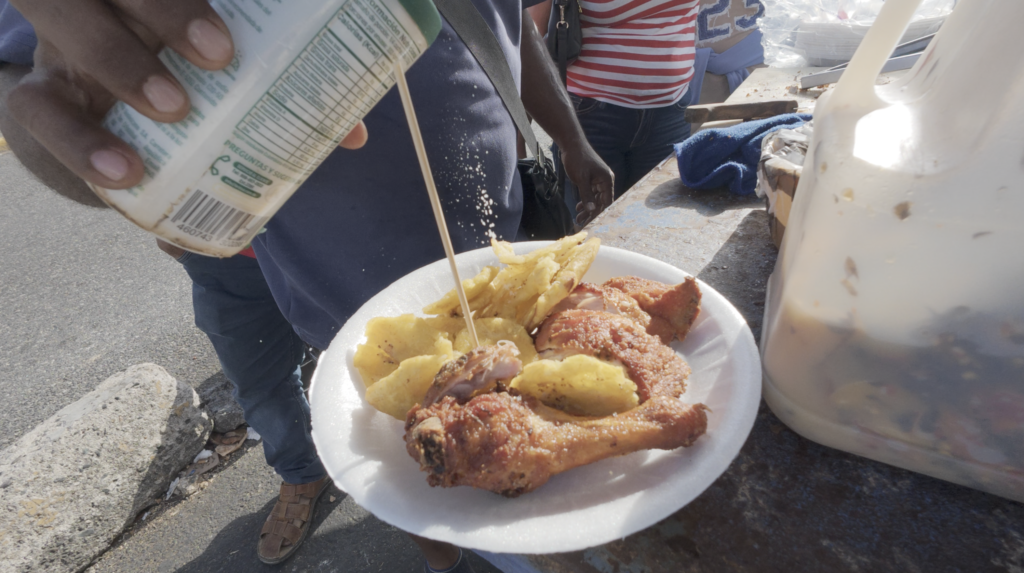
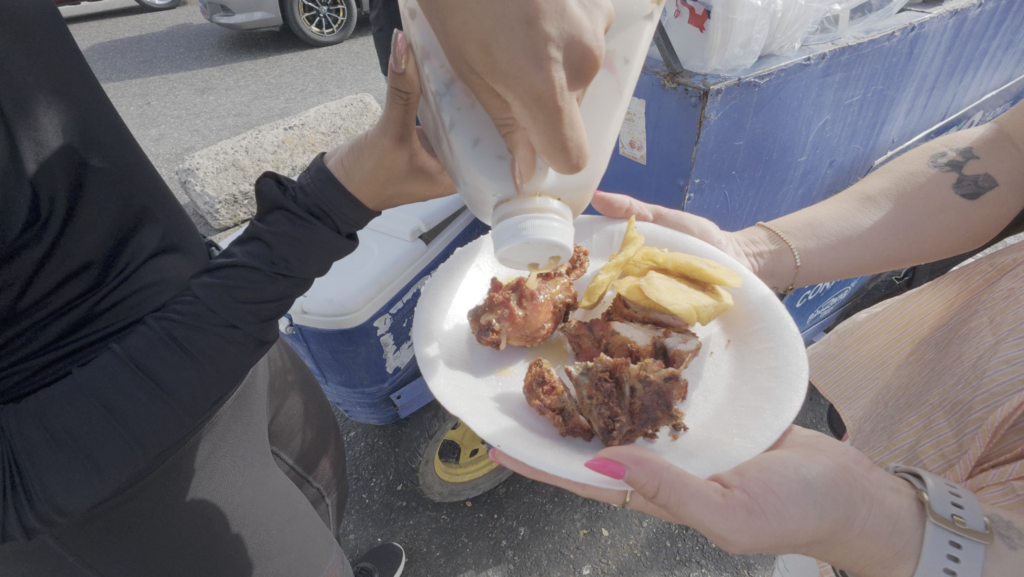
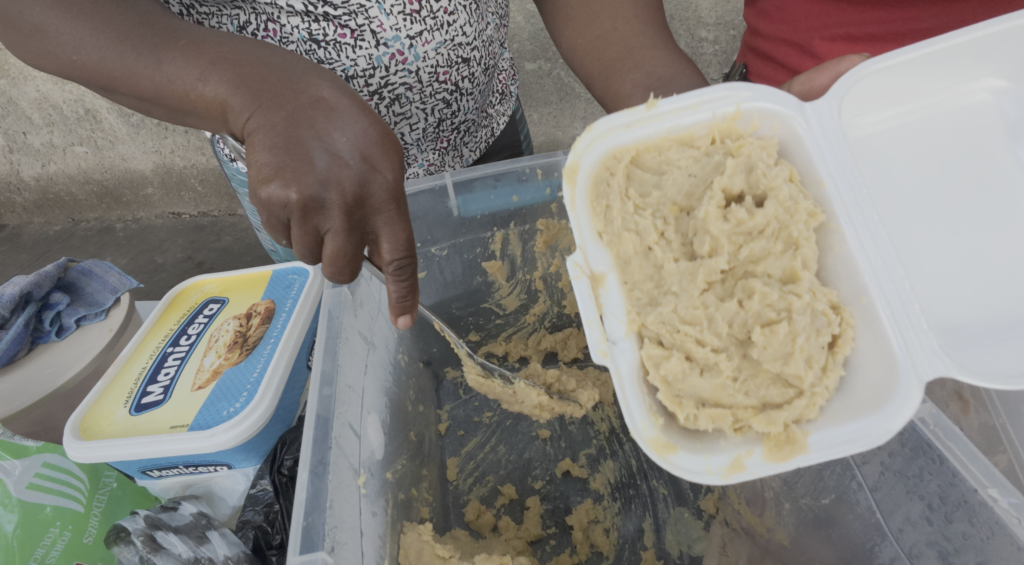
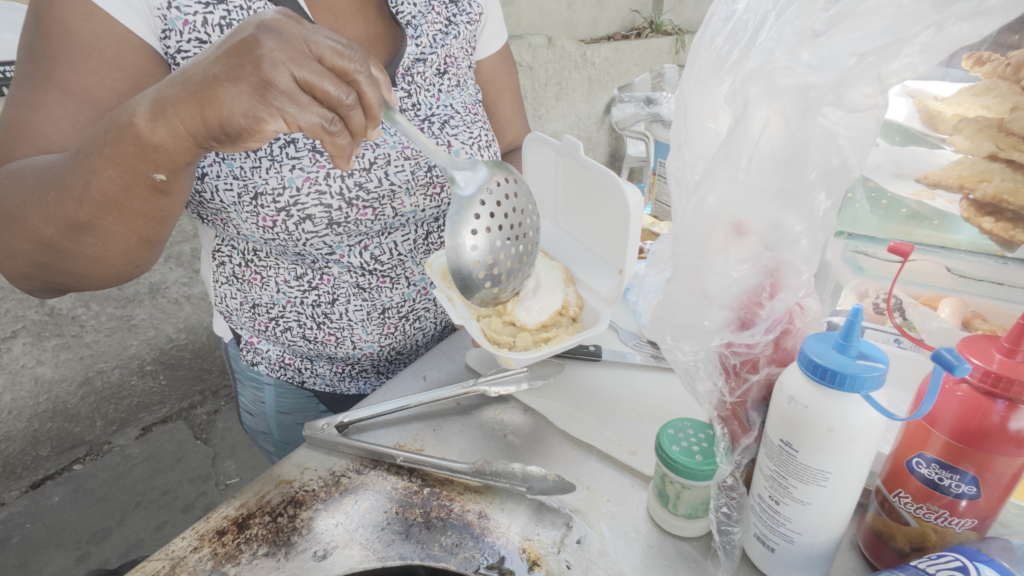
While we ate, the conversation turned to something I’d wondered about since we’d started the day: when you’re surrounded by street food stands, how do you know which ones are actually good?
Esther had a few rules.
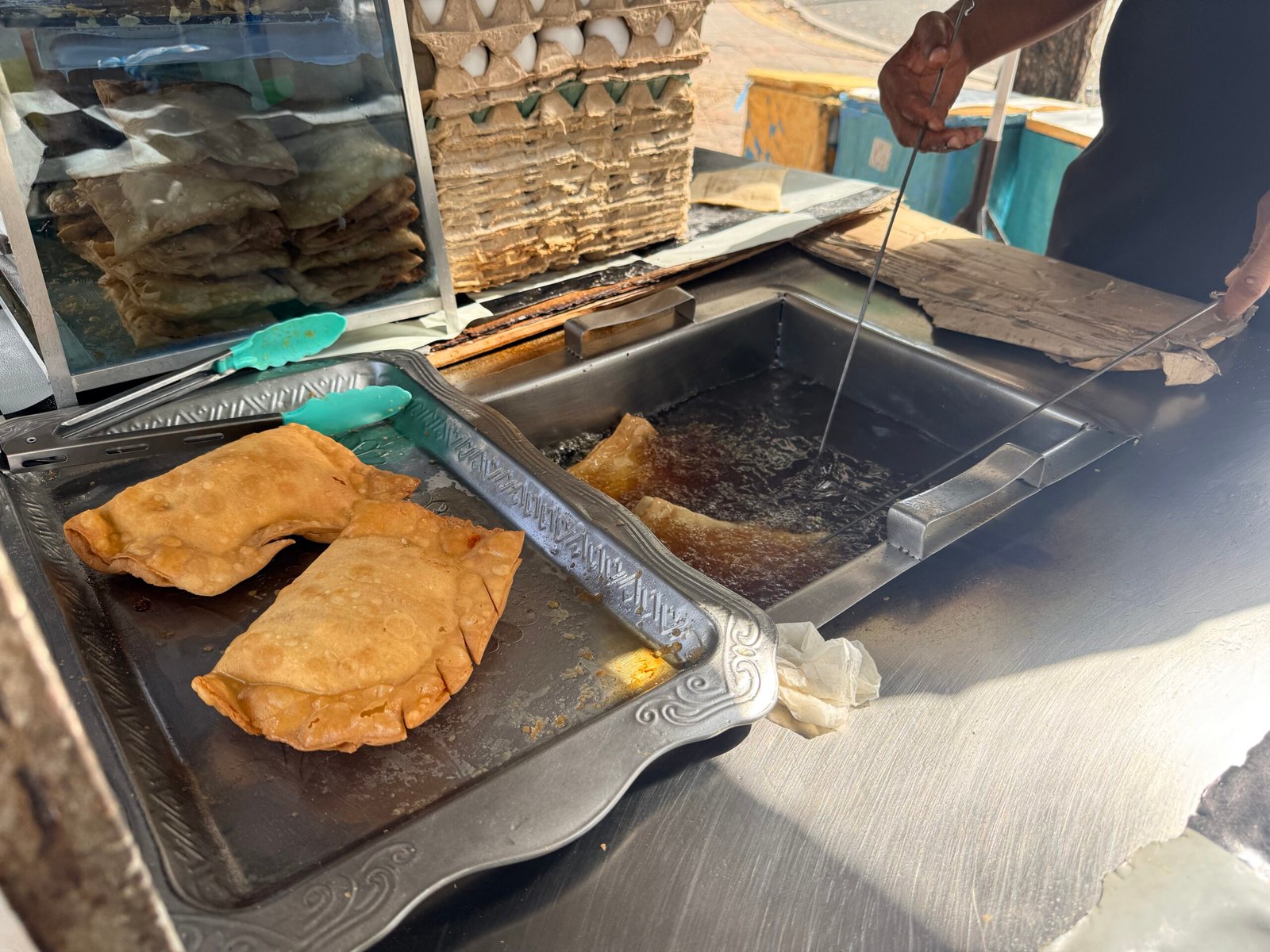
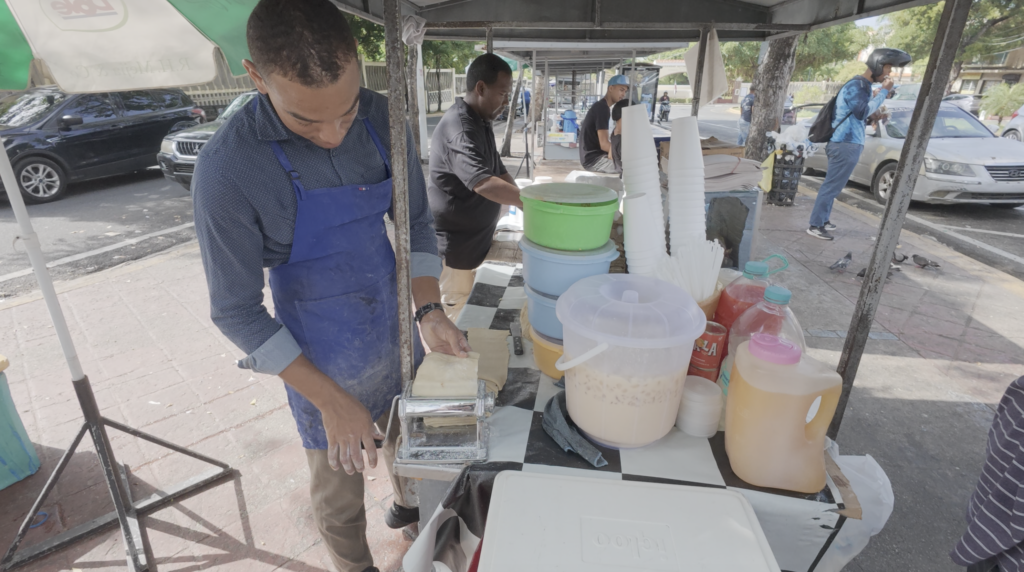
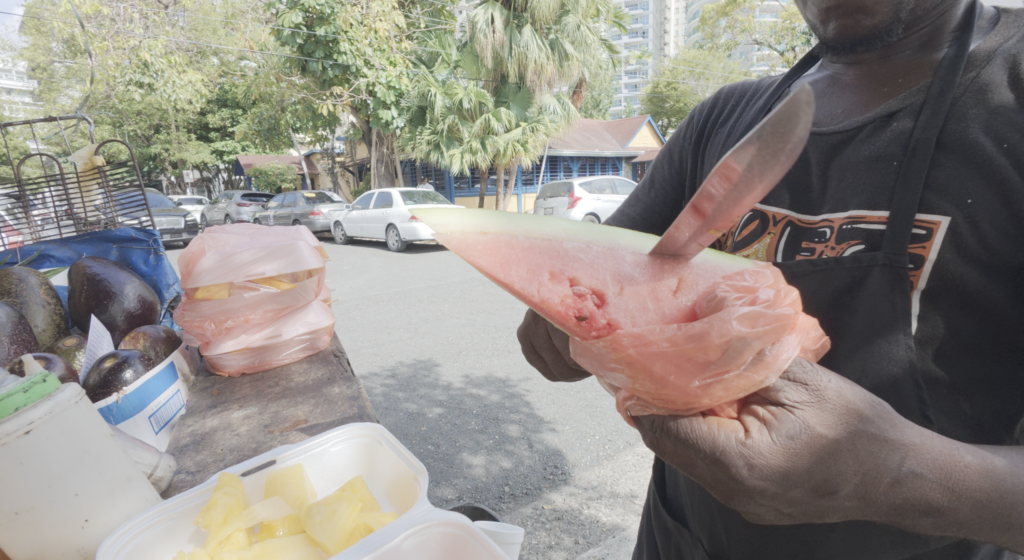
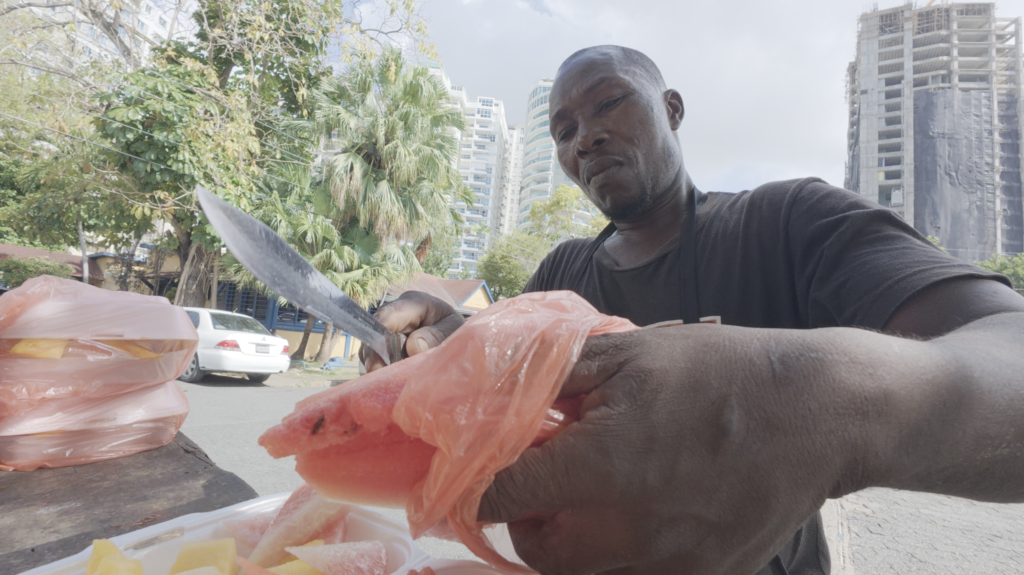
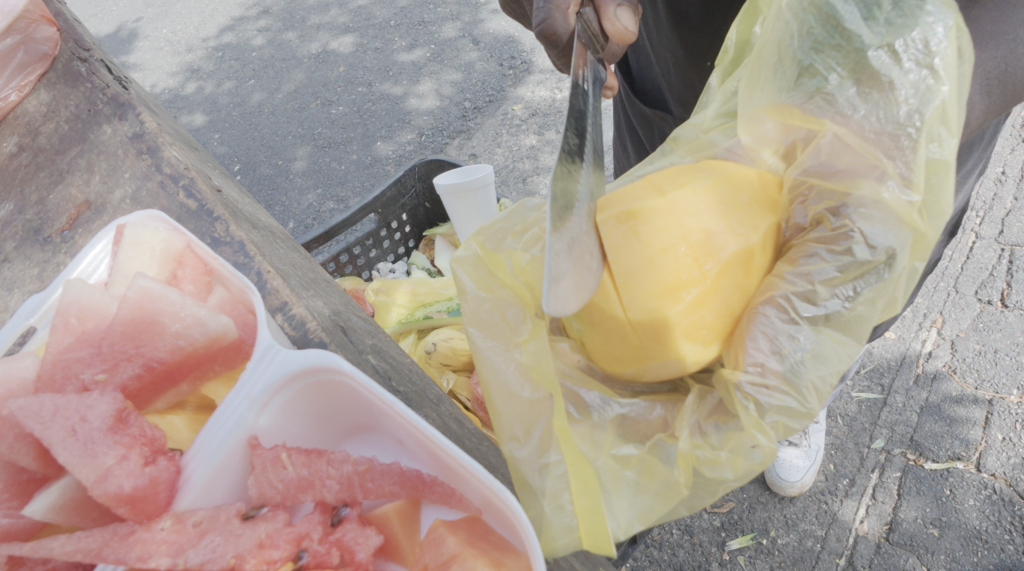
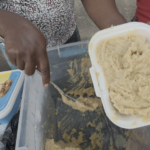
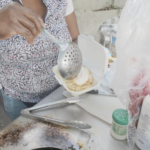
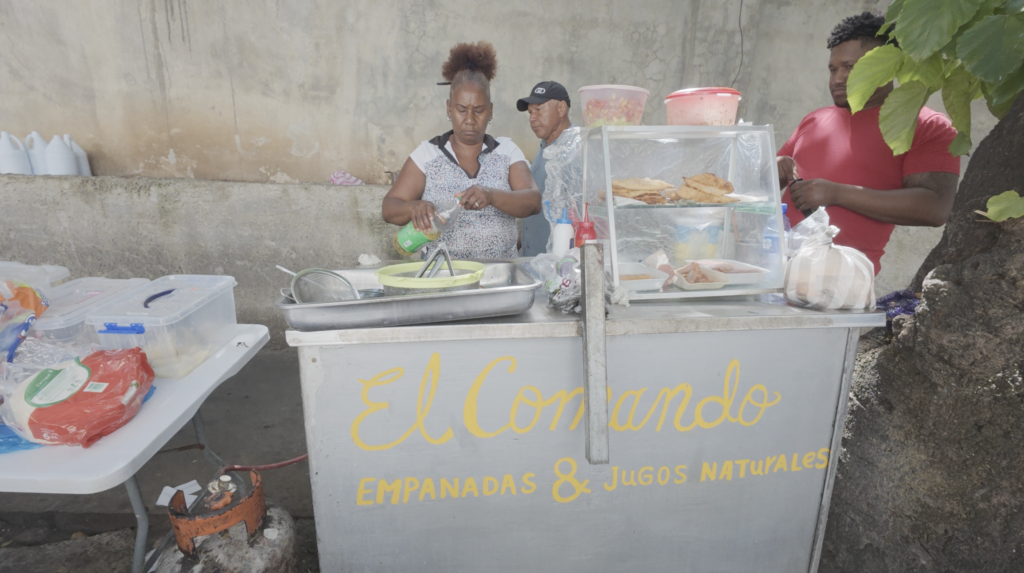
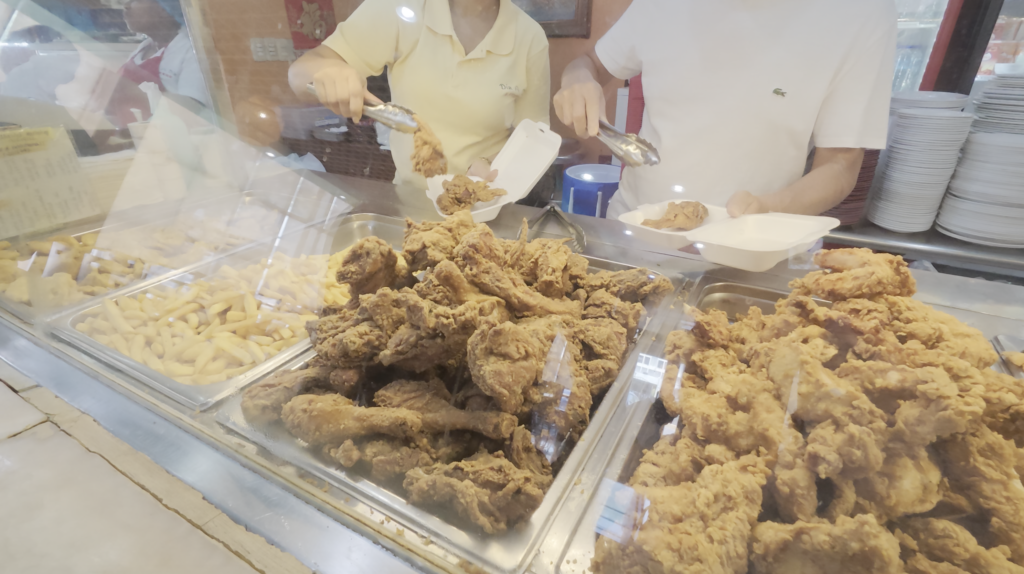
Look at the hygiene. Before looking at the food, look at the stand itself. Is the preparation area clean? How is the food being handled? Are raw and cooked ingredients being kept appropriately? A simple street food set up doesn’t need to be pristine or fancy, but it should look cared for.
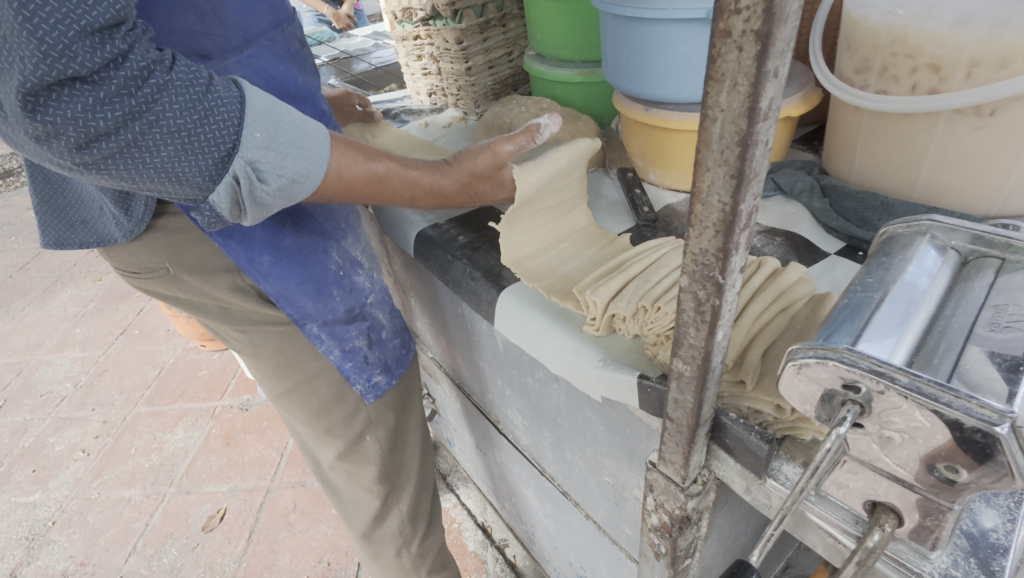
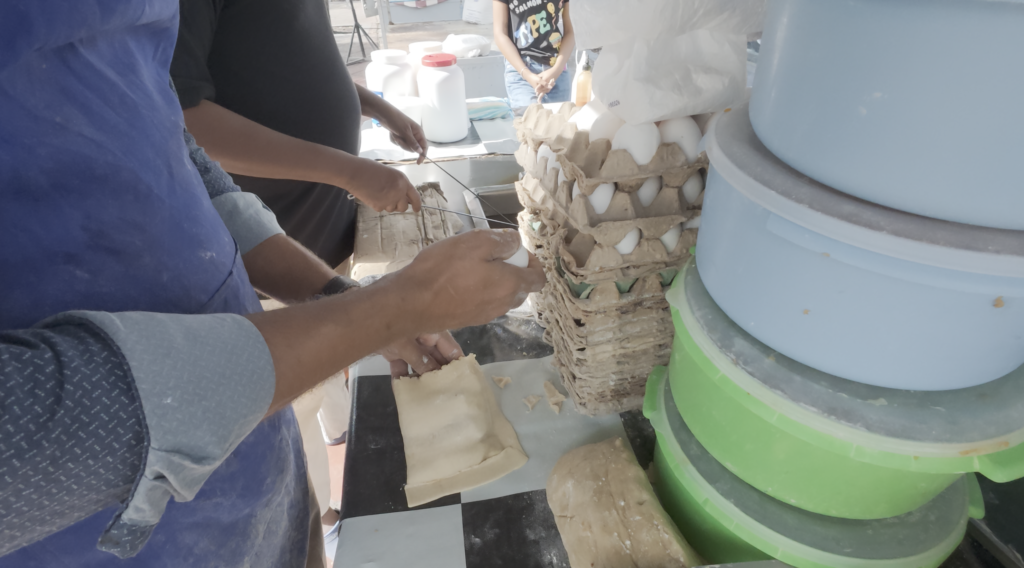
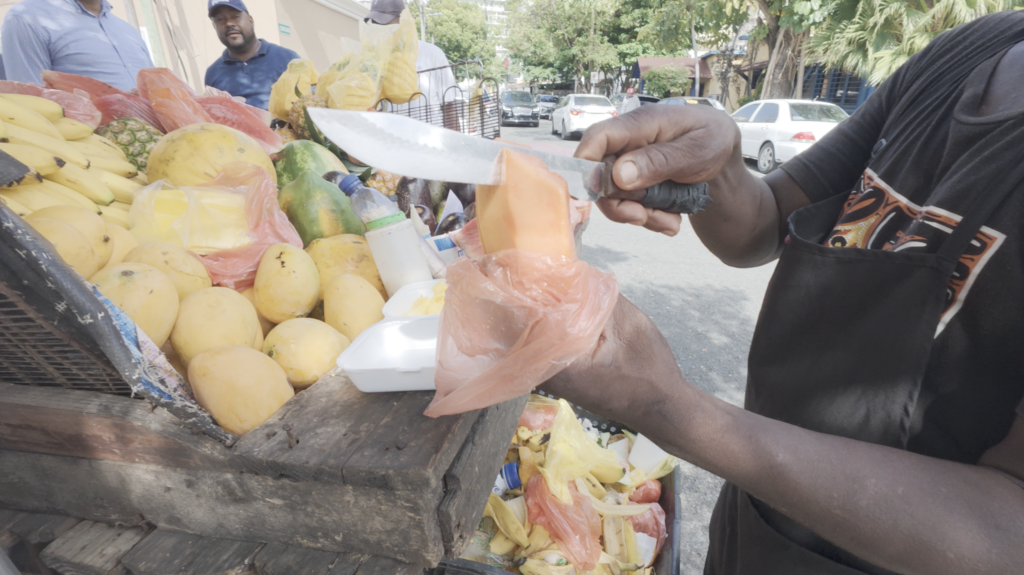
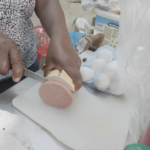
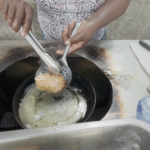
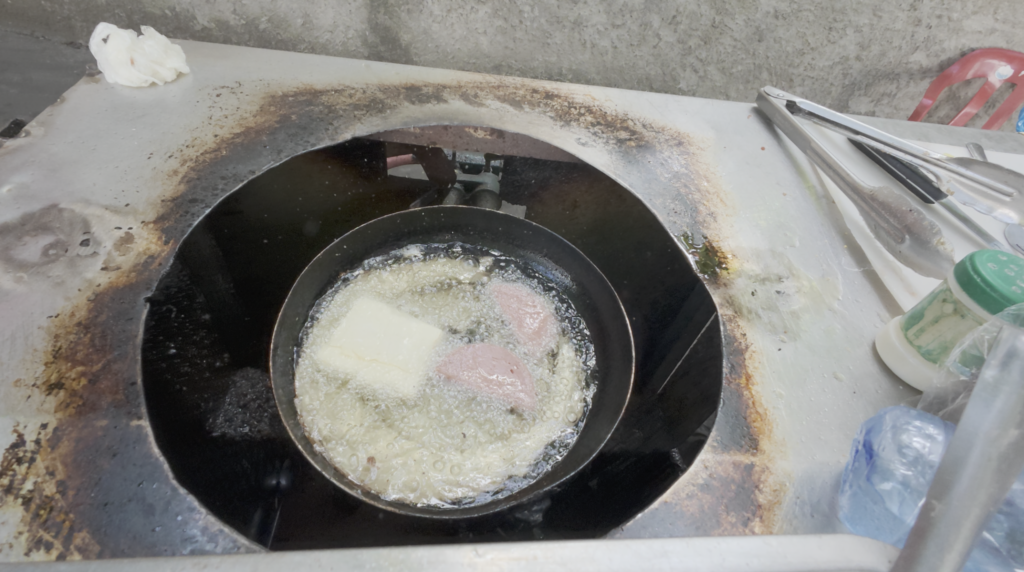
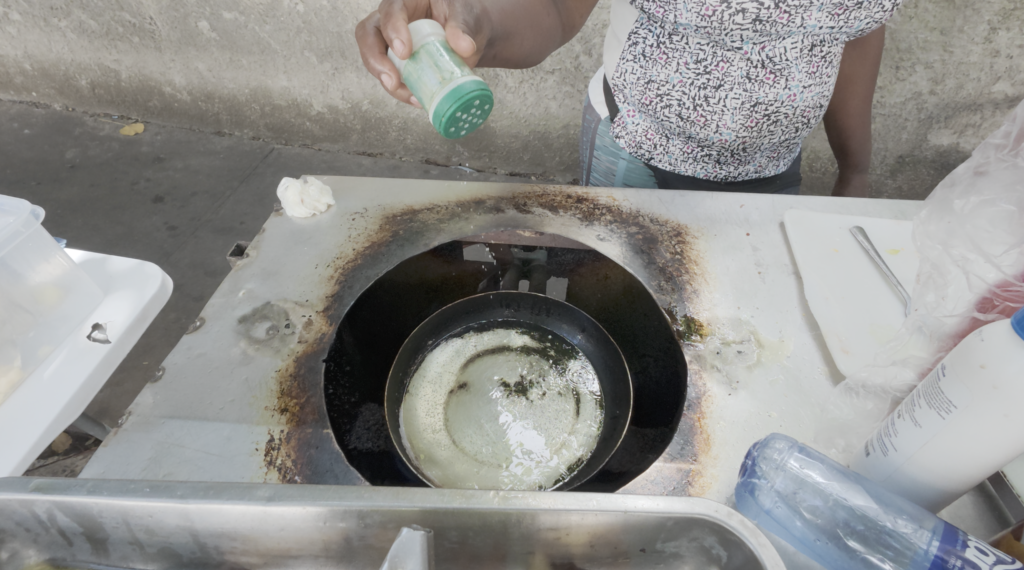
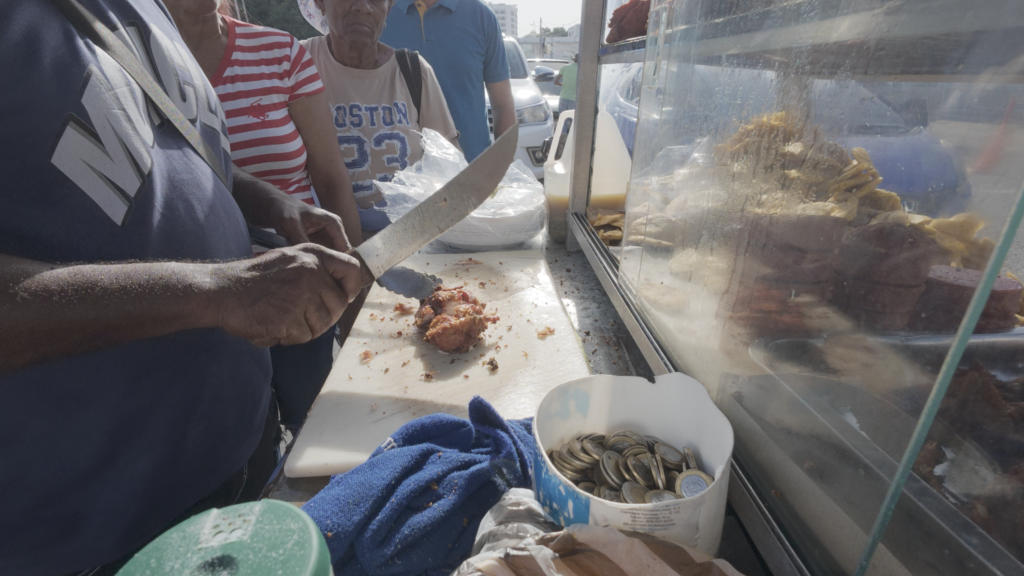
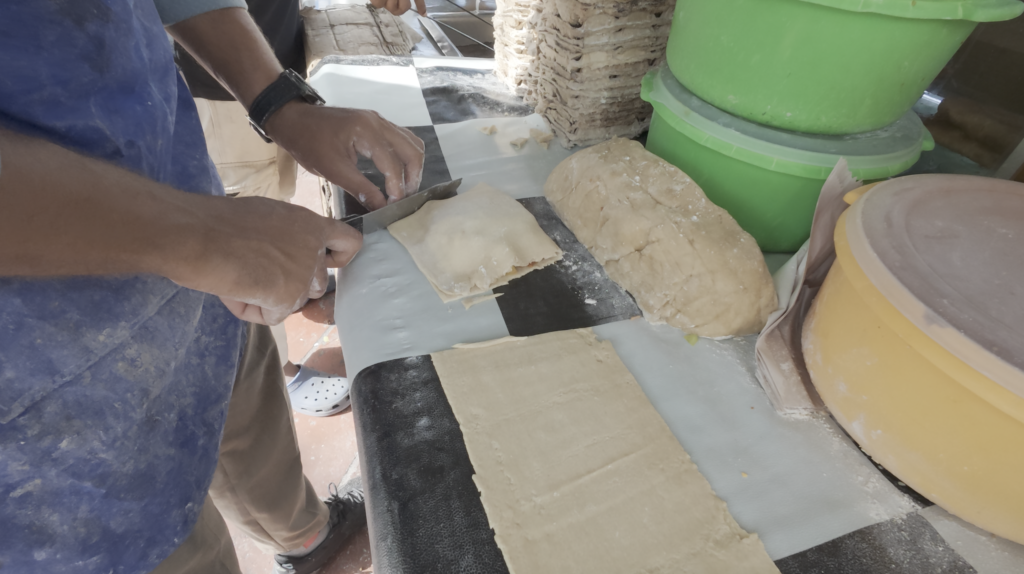
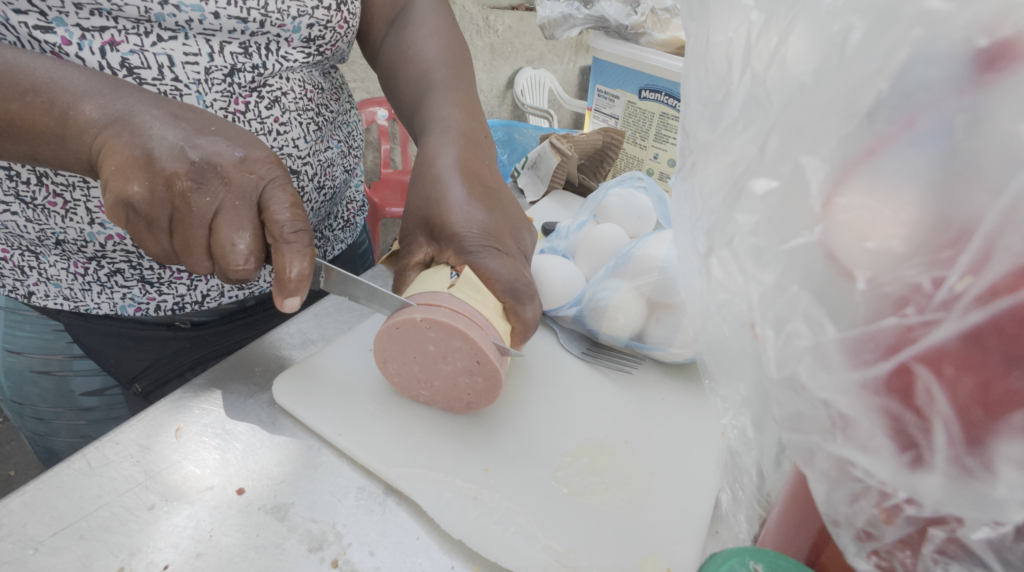
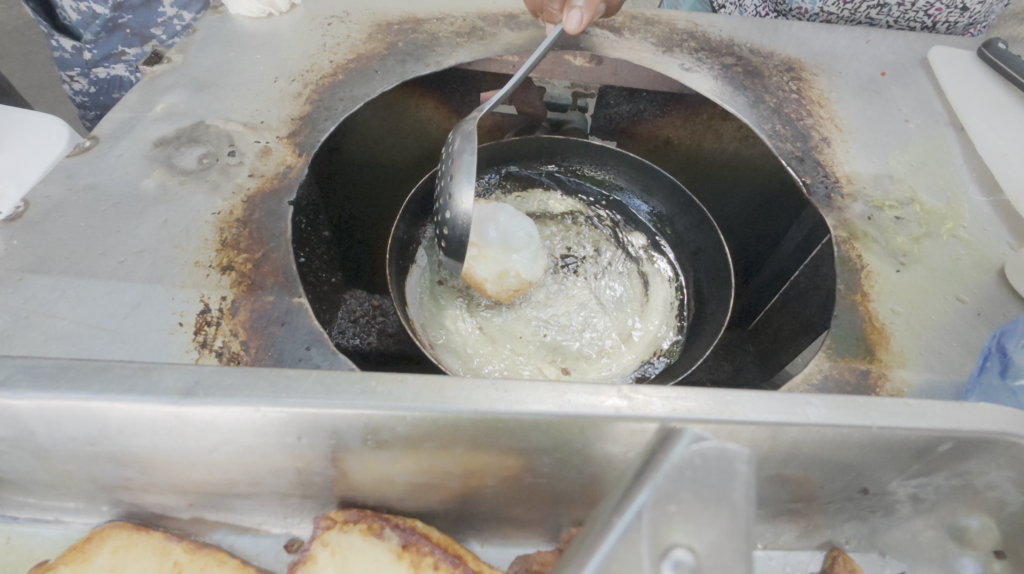
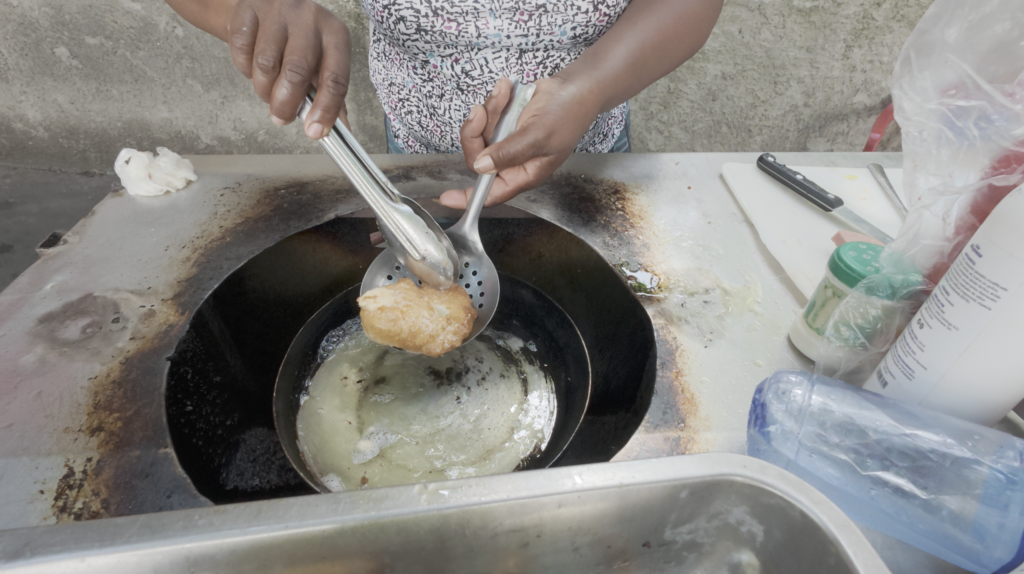
Pay attention to the tools and equipment. Esther told us to look at what the vendor is working with and how they’re using it. Clean utensils, chopping areas and cooking equipment can tell you a lot about how seriously they take their food.
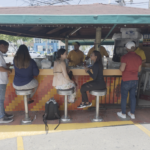
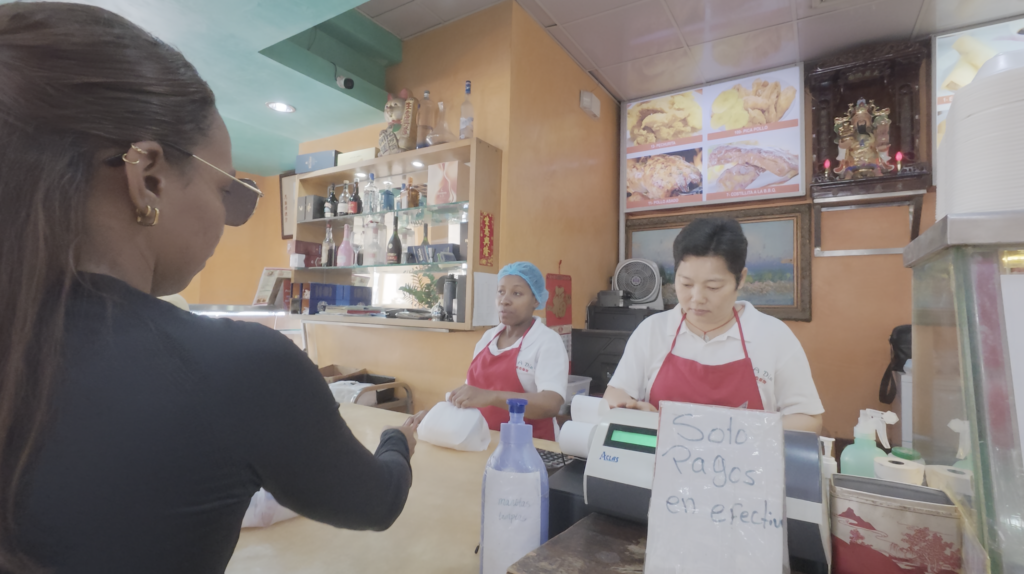
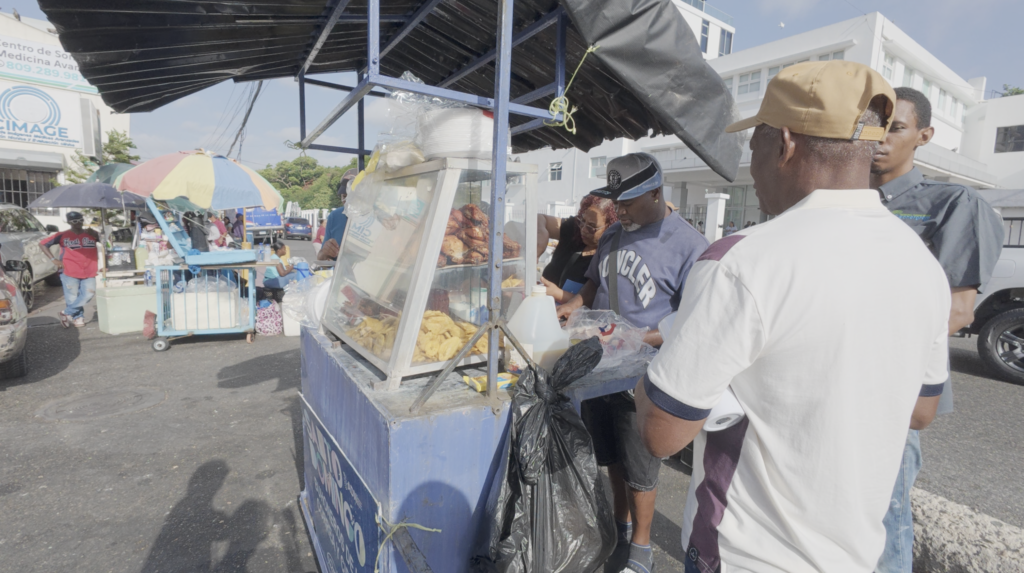
Follow the locals. A busy stand is usually busy for a reason. If locals are queuing, ordering and coming back regularly, that’s a much better recommendation than anything we could find online. Popularity also means ingredients are being turned over quickly rather than sitting around for hours.
Think about the location. Where a stand is positioned matters too. Look at what’s happening immediately around the food, how it’s stored and whether it’s protected from traffic, dust, rubbish and anything else you probably don’t want seasoning your lunch.
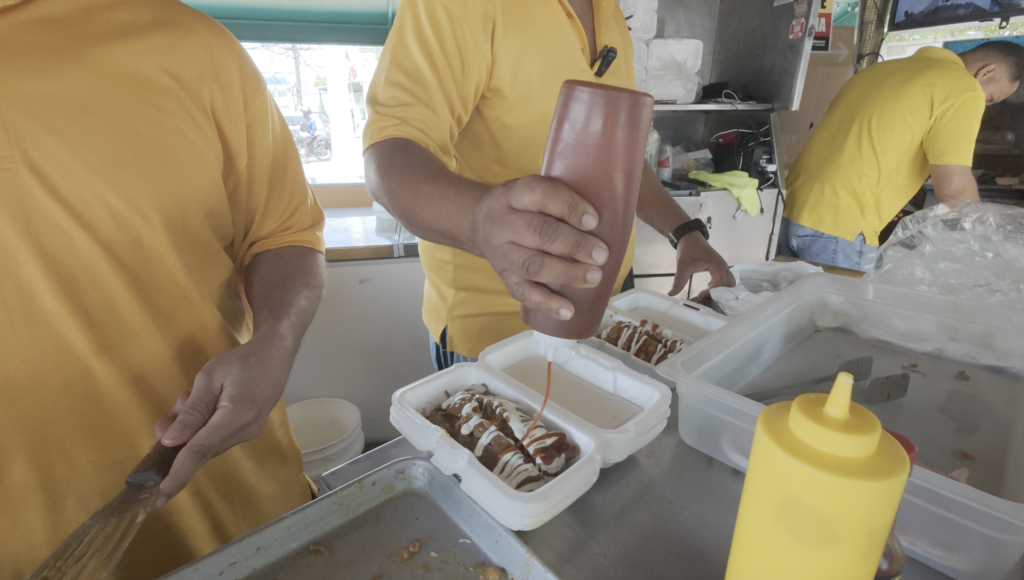
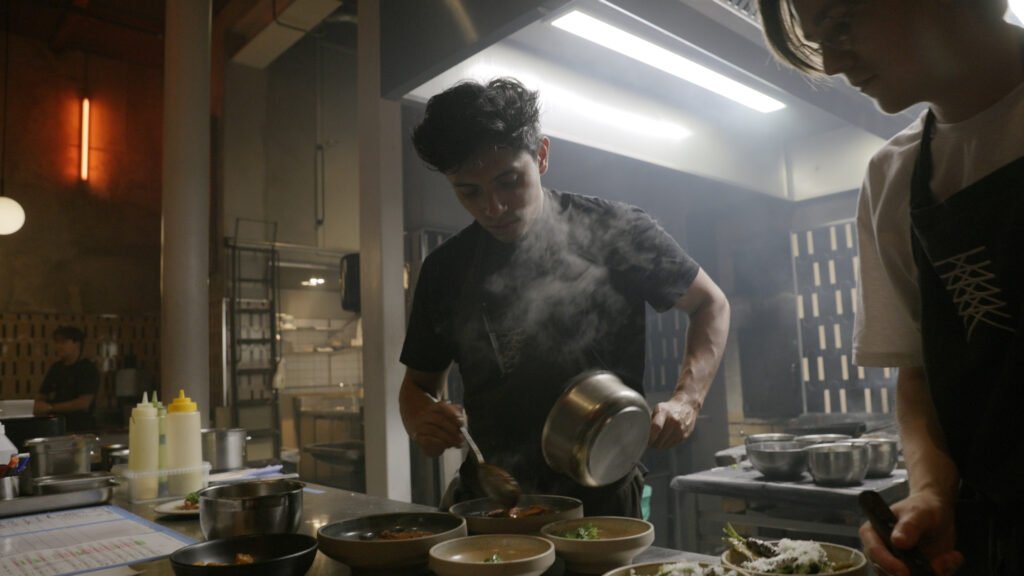
Watch before you order. One of the advantages of street food is that so much of the preparation happens right in front of you. Take a minute to watch. How are ingredients stored? Is the food being cooked fresh?
And perhaps the easiest rule of all: trust the person who knows the neighbourhood.
Stop Five: The Pasteles en Hoja Everyone Tries to Copy
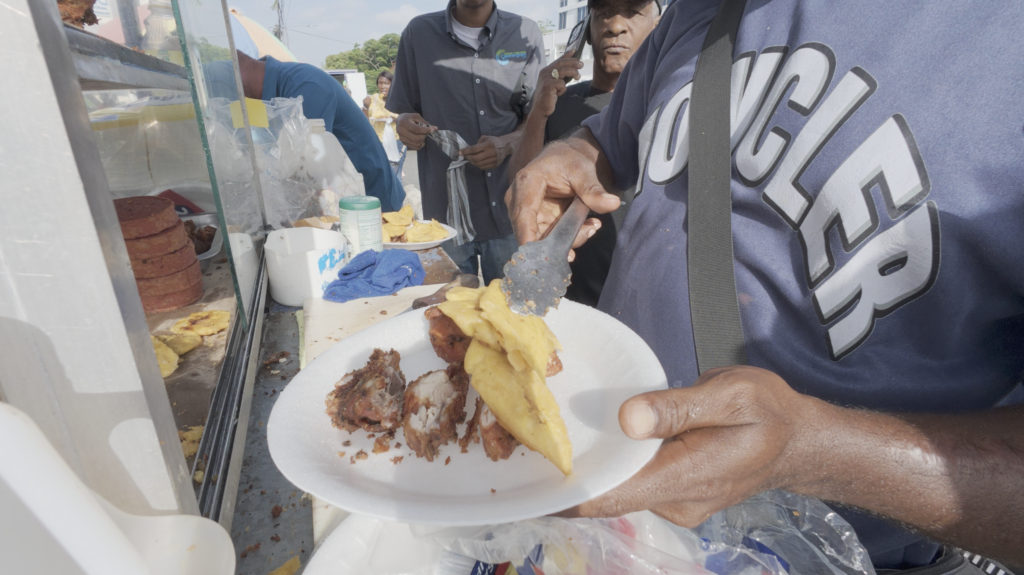
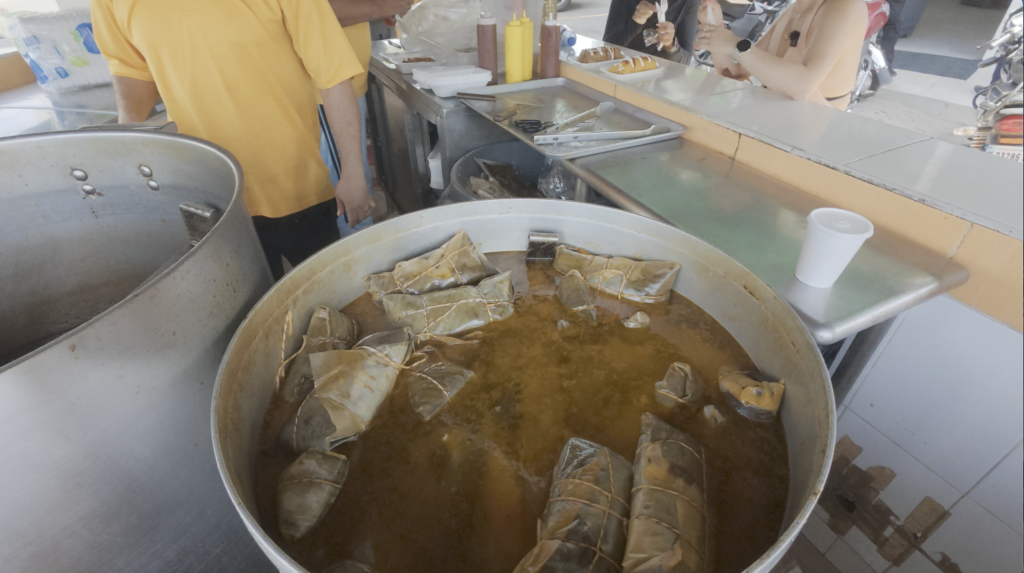
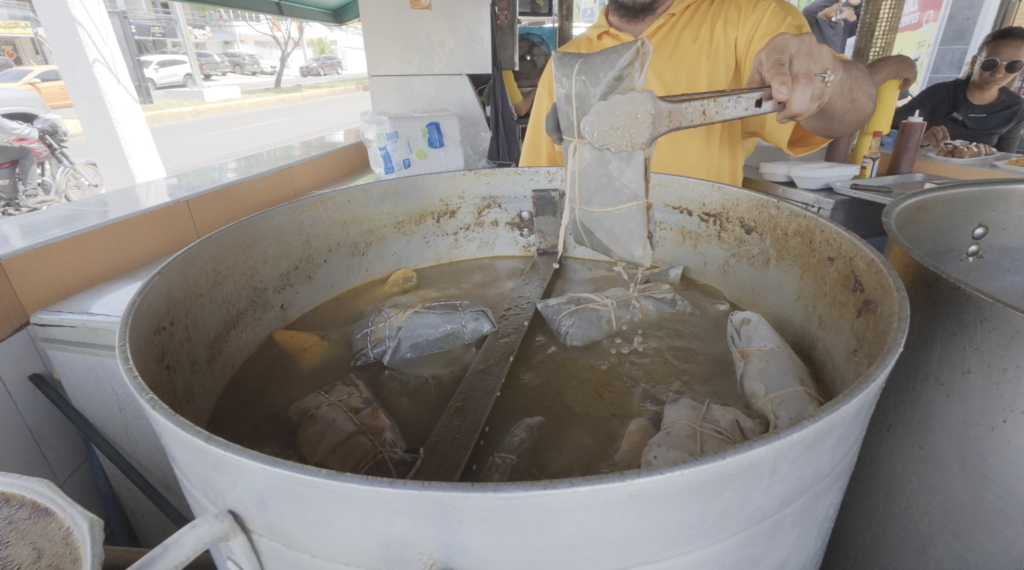
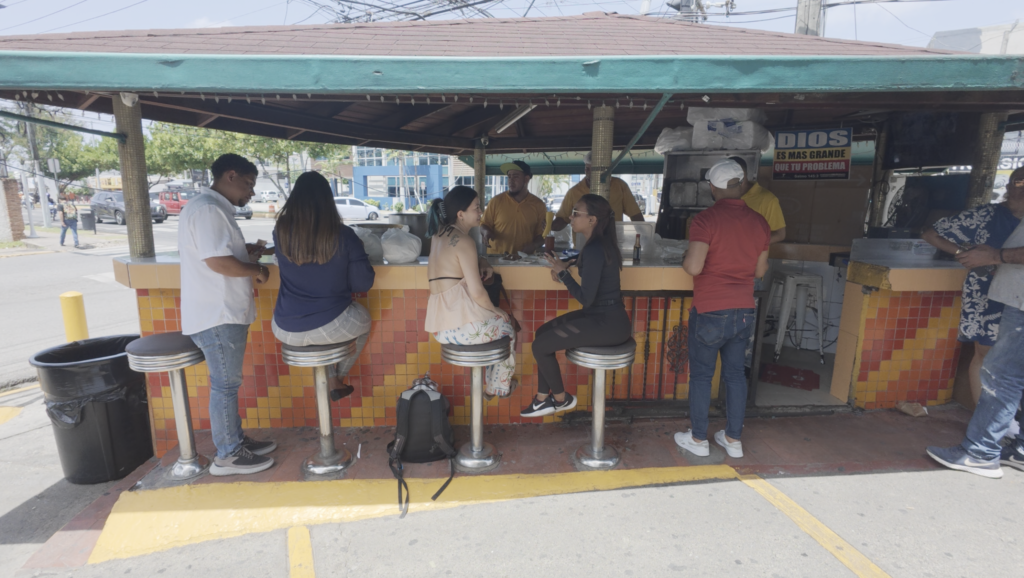
By stop five, Esther had another local favourite lined up for us: pasteles en hoja. And she hadn’t brought us to just any stand. We stopped at a popular spot on Avenida José Núñez de Cáceres that has built a loyal following for its pasteles. Even online, customers talk about returning regularly, and apparently they can be so popular that they sell out.
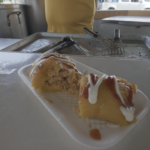
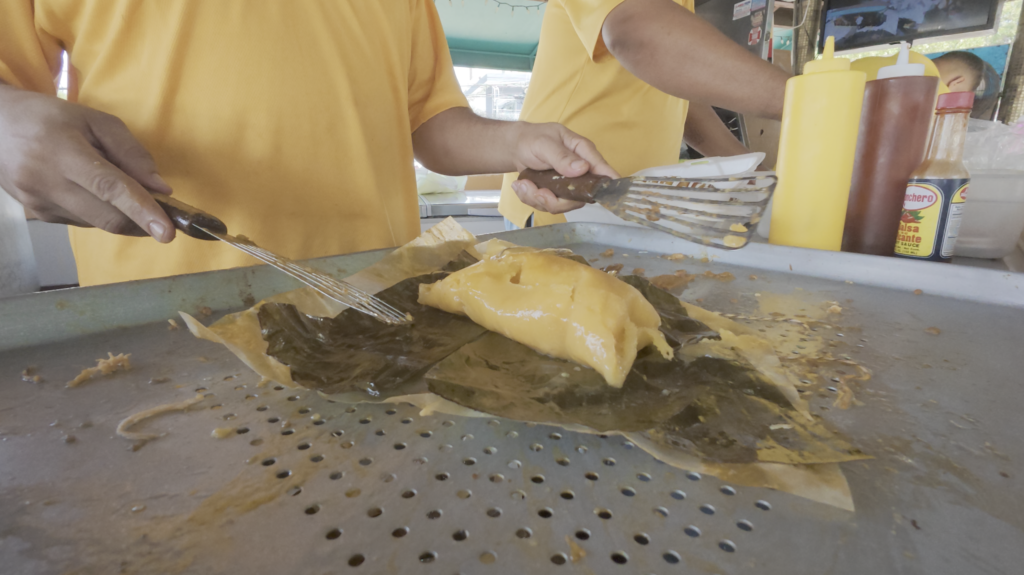
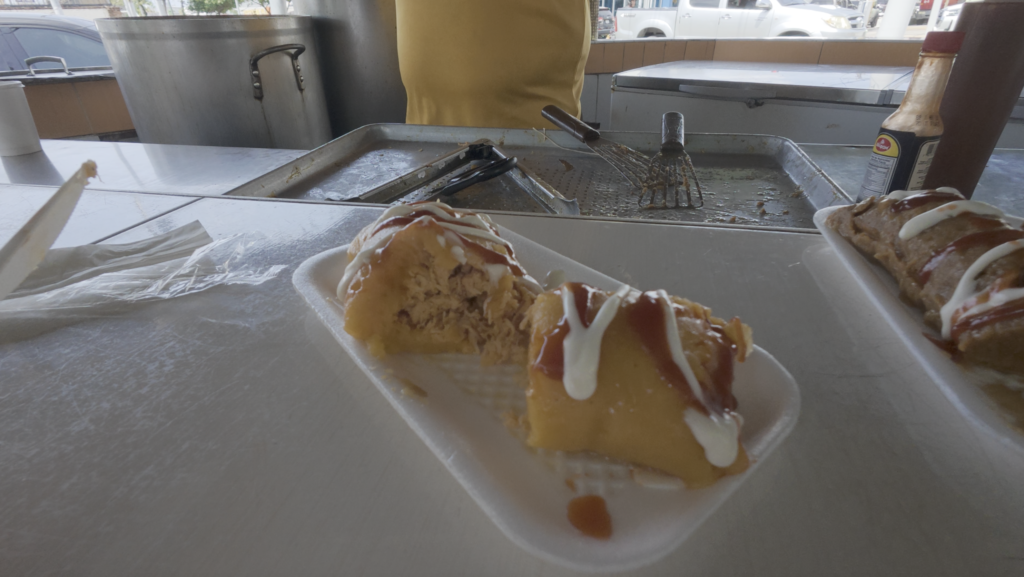
This was something we’d never tried before. Pasteles en Hoja are often compared to tamales, but they have their own Dominican identity.
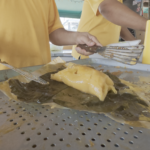
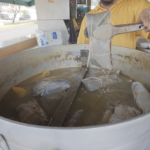
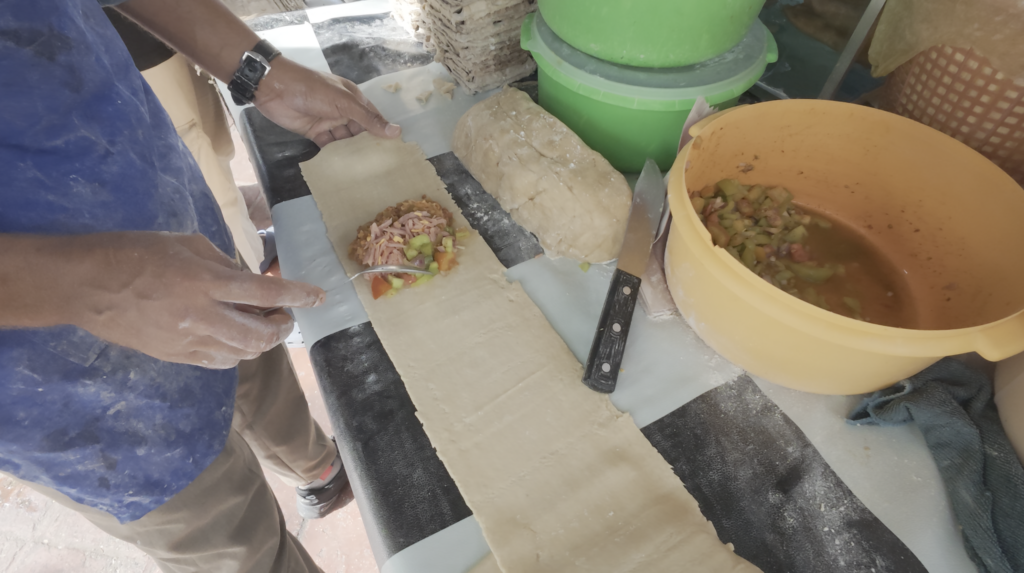
A smooth mixture of grated green banana, plantain and root vegetables is wrapped in banana leaves around a savoury meat filling before being gently cooked. The banana leaf adds a subtle earthy aroma while keeping everything beautifully moist.
And pasteles have a special place in Dominican food culture. They’re particularly associated with Christmas and family celebrations. An older Diario Libre feature describes how Dominicans traditionally have their own trusted person they order pasteles from, often based on personal recommendation rather than simply buying them anywhere.