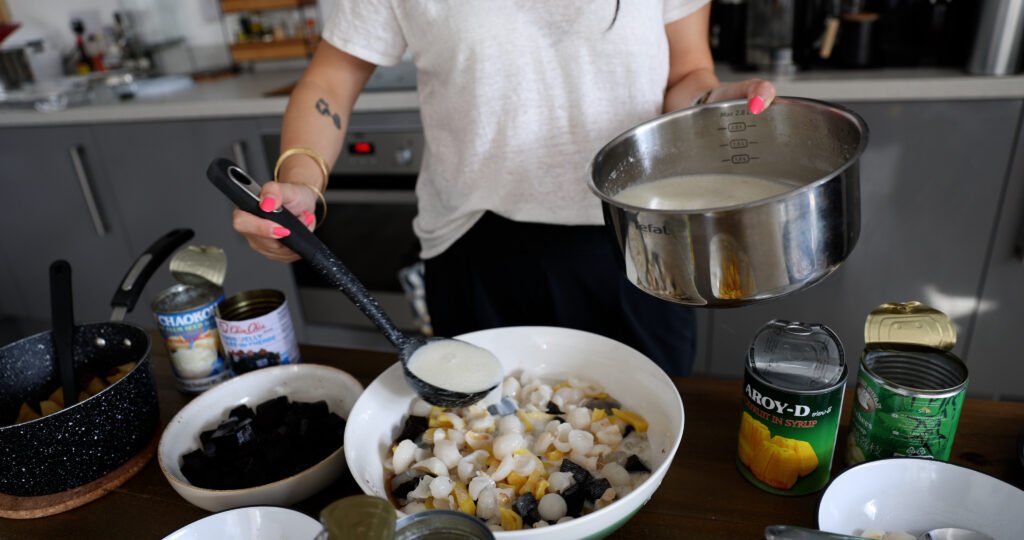
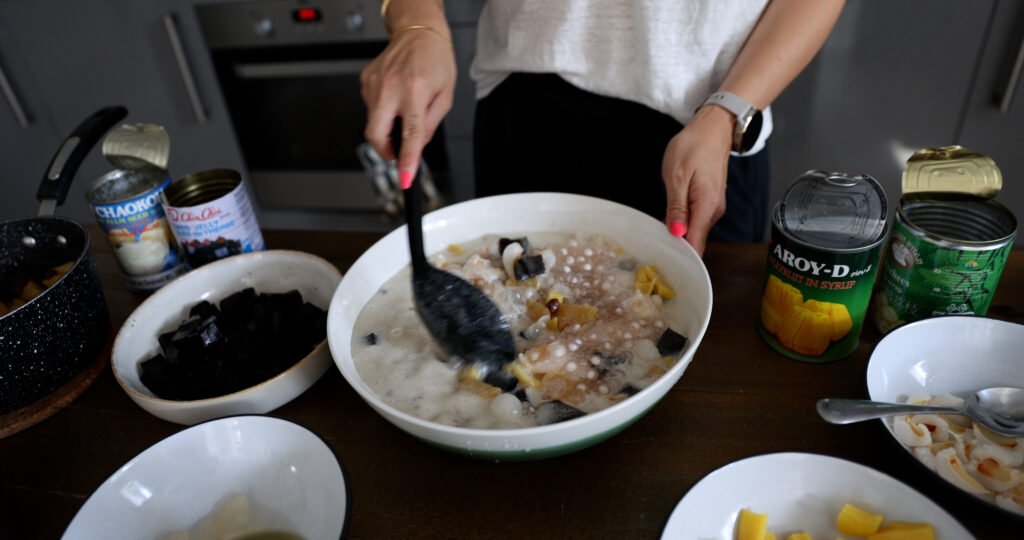
Pineapple Coconut Chè – Inspired by Yama’s Kitchen

Dominican Soul, Asian Heart

Some of my favourite travel memories aren’t found in famous landmarks or luxury restaurants. They’re found in people’s kitchens.

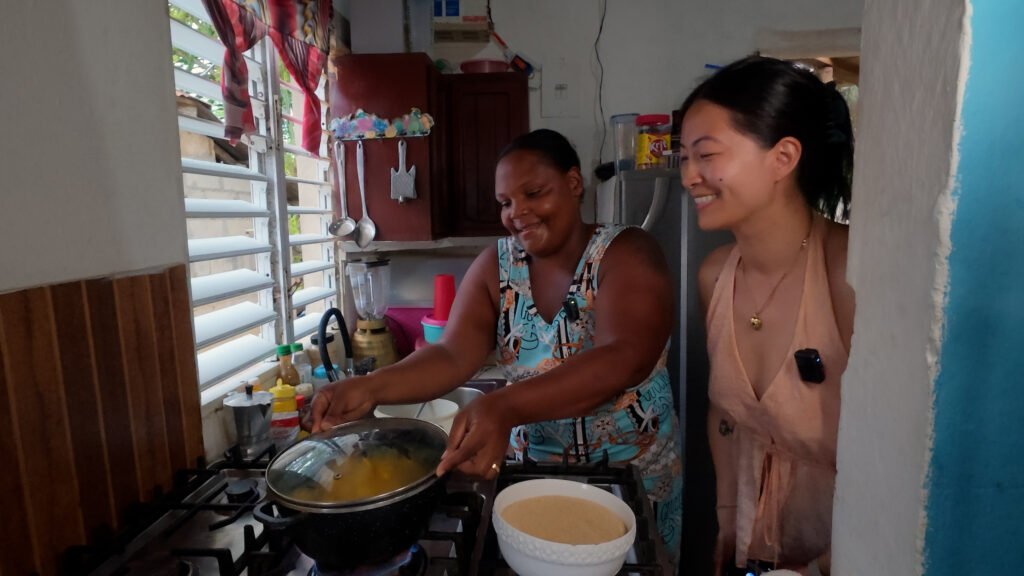
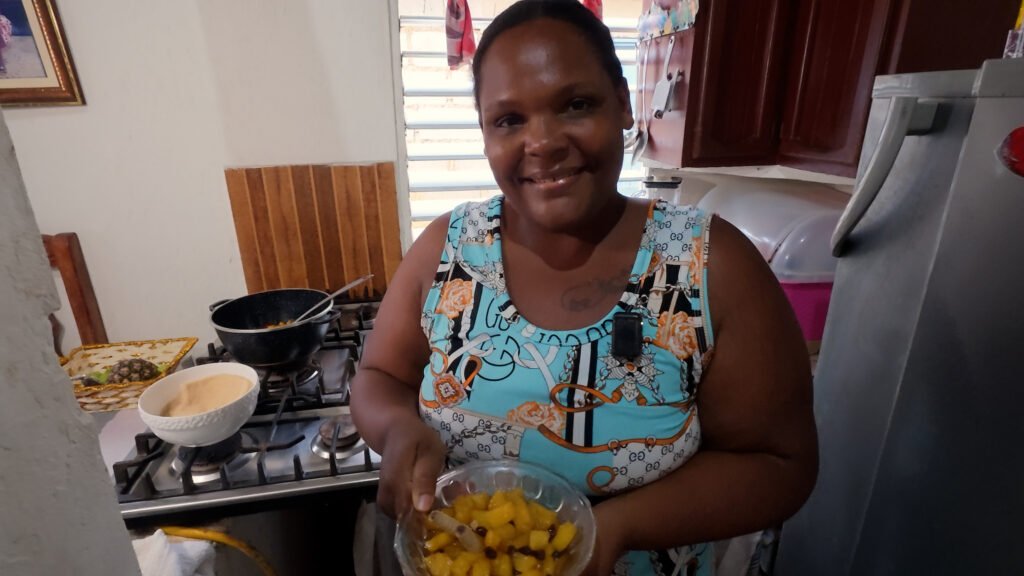
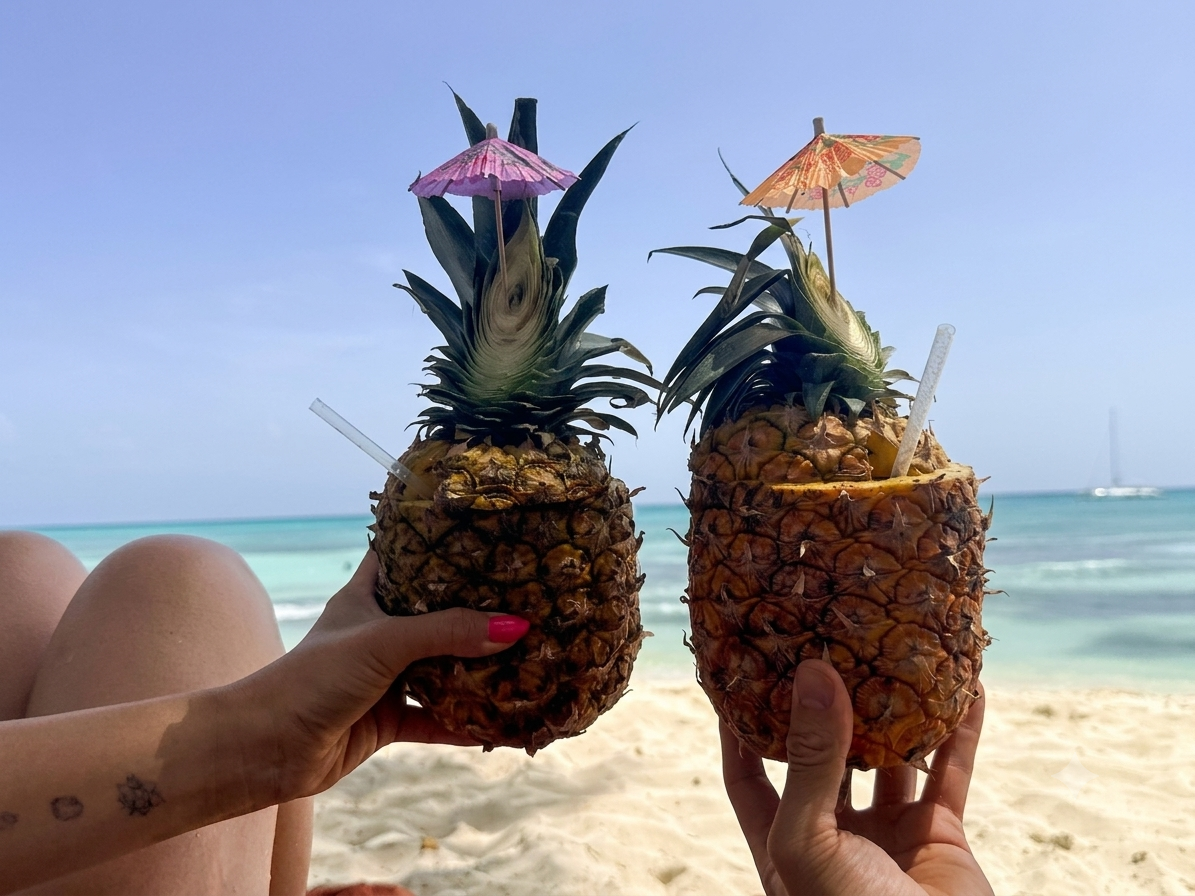
While travelling through the Dominican Republic, we were invited into the home of a wonderful local lady named Yama. She welcomed us like family and shared one of those recipes that perfectly captures what home cooking is all about. Simple ingredients, no fancy equipment and generations of knowledge passed from one cook to the next.

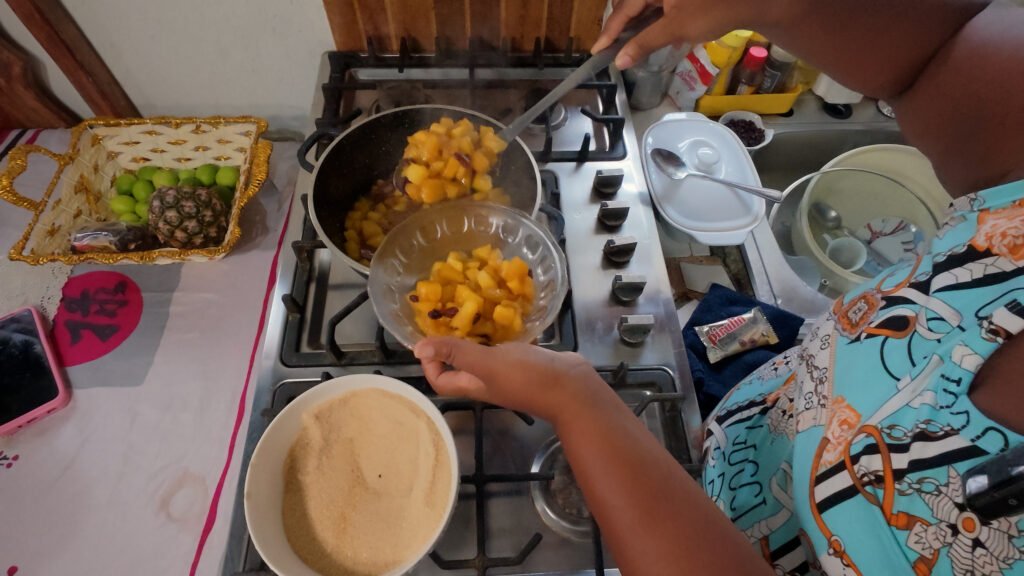
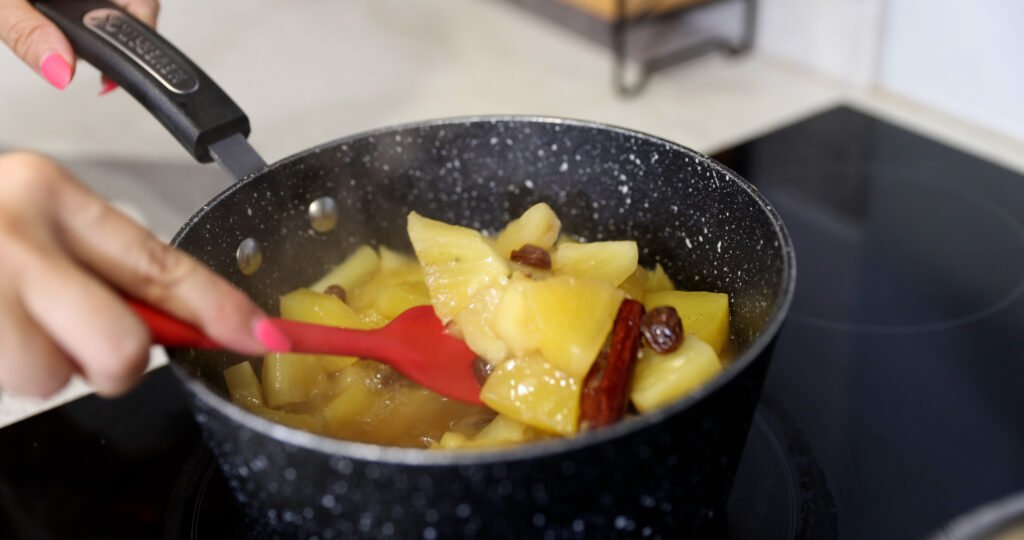
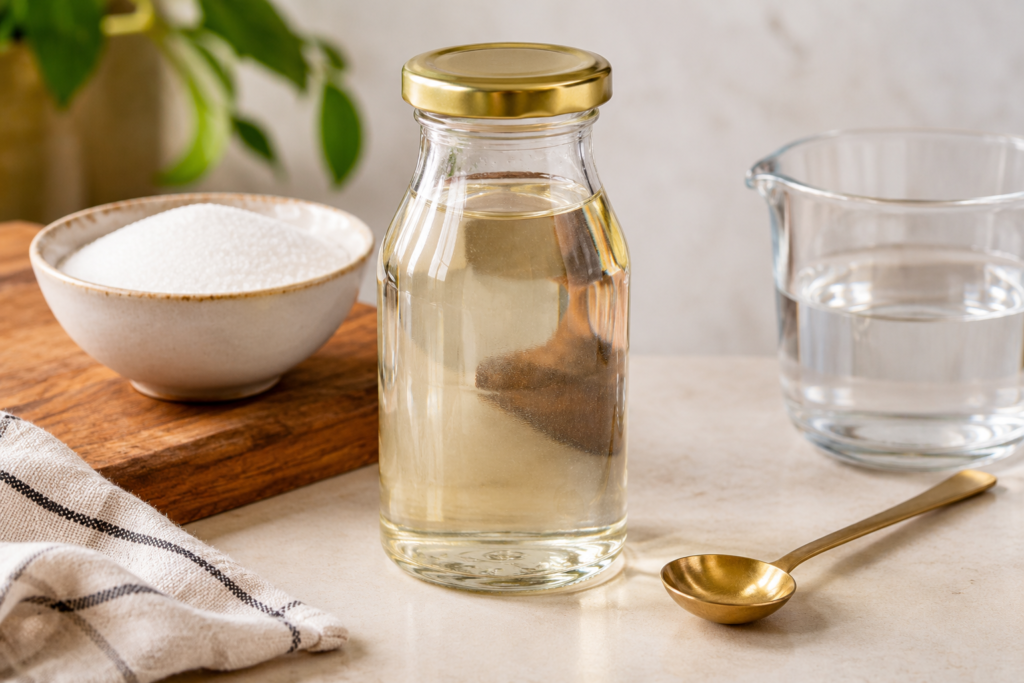
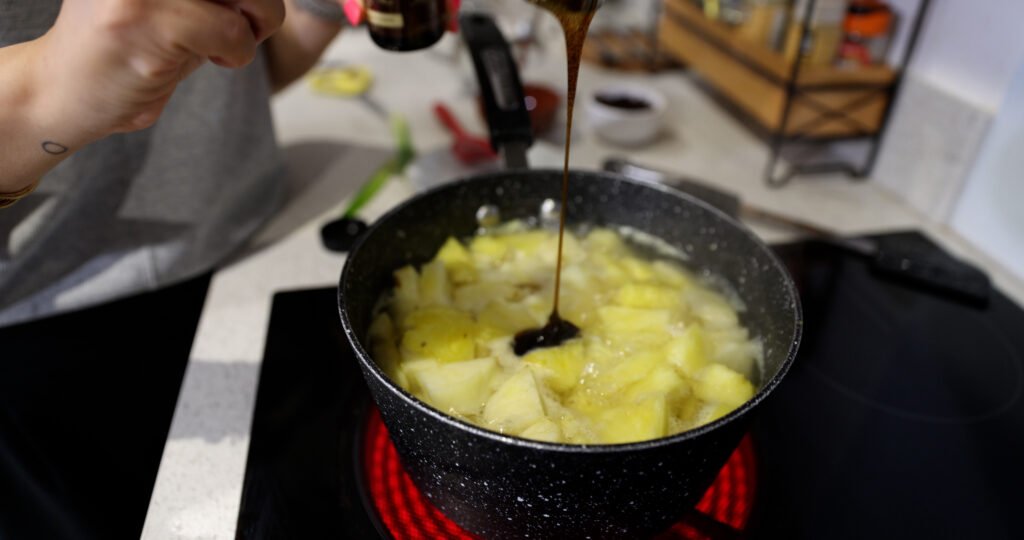
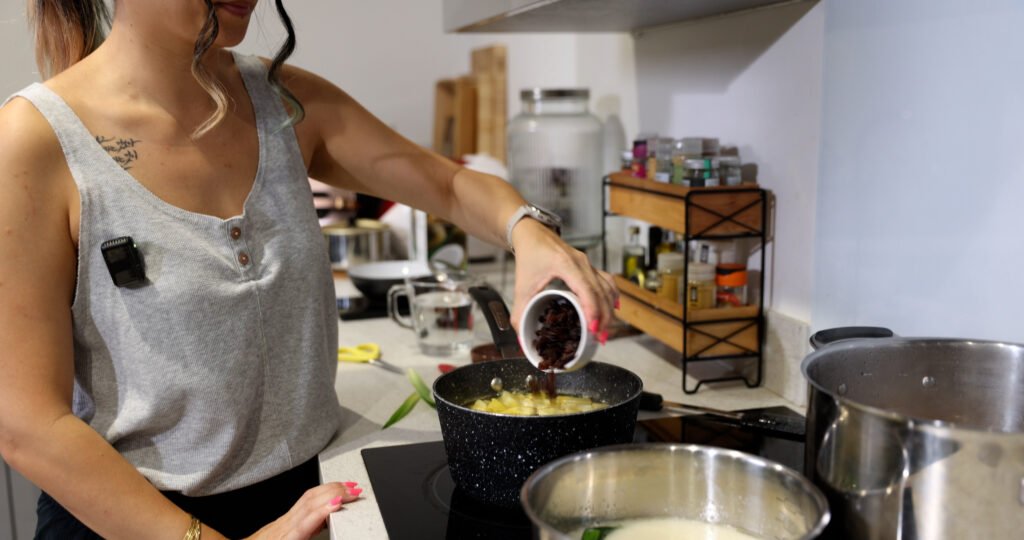
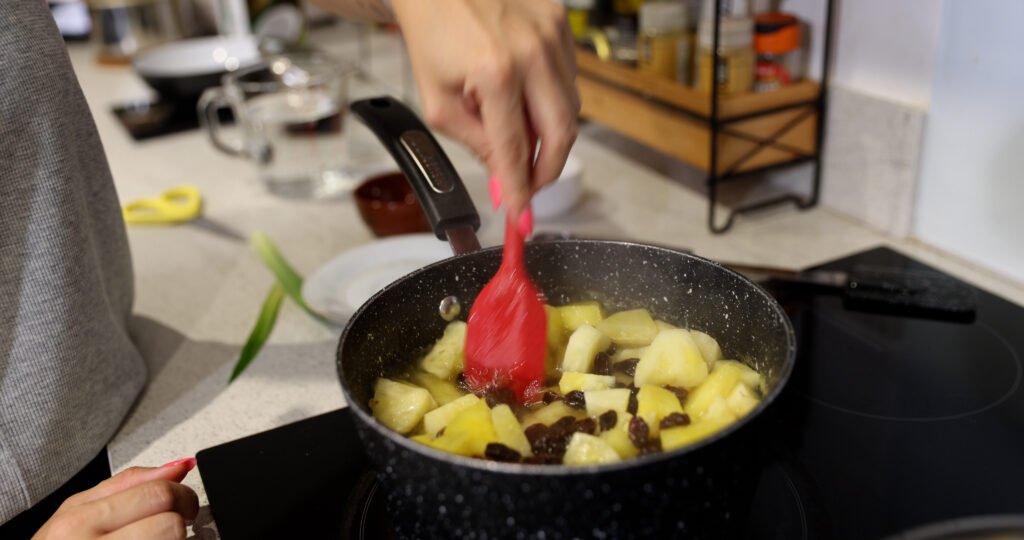
She showed us how to make a traditional Dominican pineapple dessert. Fresh pineapple is gently simmered with sugar, cinnamon sticks and raisins until the fruit softens and the cooking liquid transforms into a rich golden syrup. The pineapple becomes intensely sweet, almost caramelised, while the cinnamon fills the kitchen with a warm aroma. It instantly reminded me of Christmas.

The fragrance of cinnamon, the sweetness of raisins and the comforting warmth of the bubbling pot felt surprisingly familiar, despite being thousands of miles from home.

In the Dominican Republic, fruit desserts like this celebrate the island’s incredible tropical produce. Pineapple is abundant, naturally sweet and bursting with flavour, so this simple dessert allows the fruit to shine without masking it behind heavy creams or pastry.

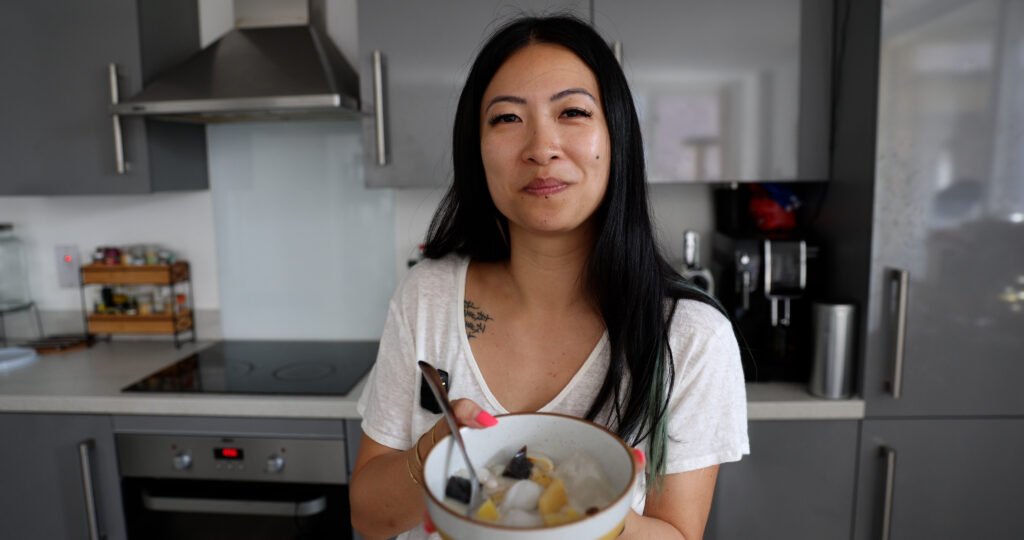
As someone who is Chinese and Vietnamese, I couldn’t stop imagining how beautifully these flavours would fit into the desserts I grew up eating.

Vietnamese chè and Chinese tong sui are all about comfort. They’re often served warm or chilled, combining fruit, coconut milk, jellies and chewy textures into bowls that feel both refreshing and nostalgic.

Rather than reinventing Yama’s recipe, I wanted to honour it.

So I kept her beautiful cinnamon infused pineapple exactly as she taught me, then gently introduced coconut milk, more fruit and tapioca pearls to create a dessert that feels equally at home in the Caribbean and East Asia.

This Pineapple Coconut Chè is my love letter to both cultures.

Pineapple Coconut Chè

Serves: 8-12
Prep: 20 minutes
Cook: 30 minutes (plus chilling time + assembly)

Ingredients

Dominican pineapple

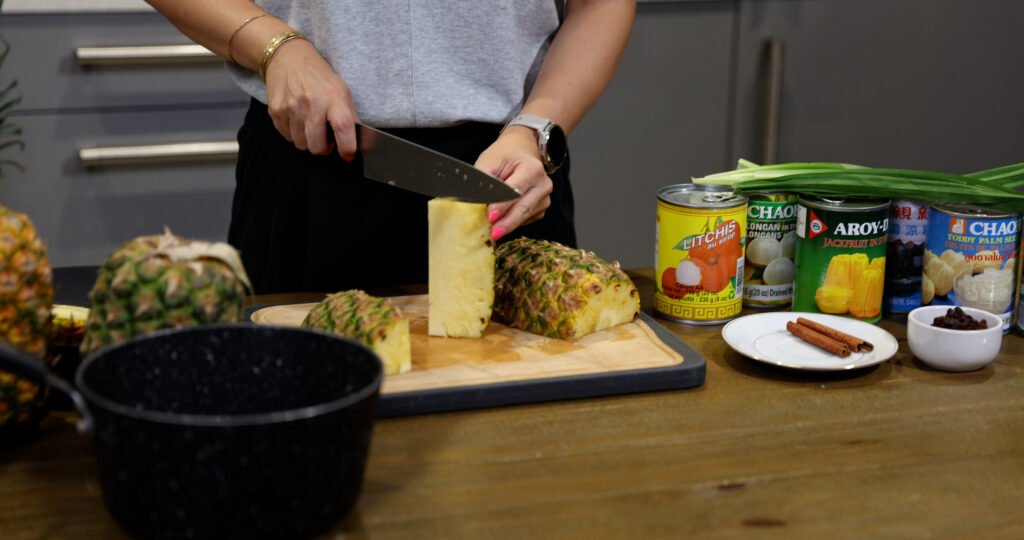
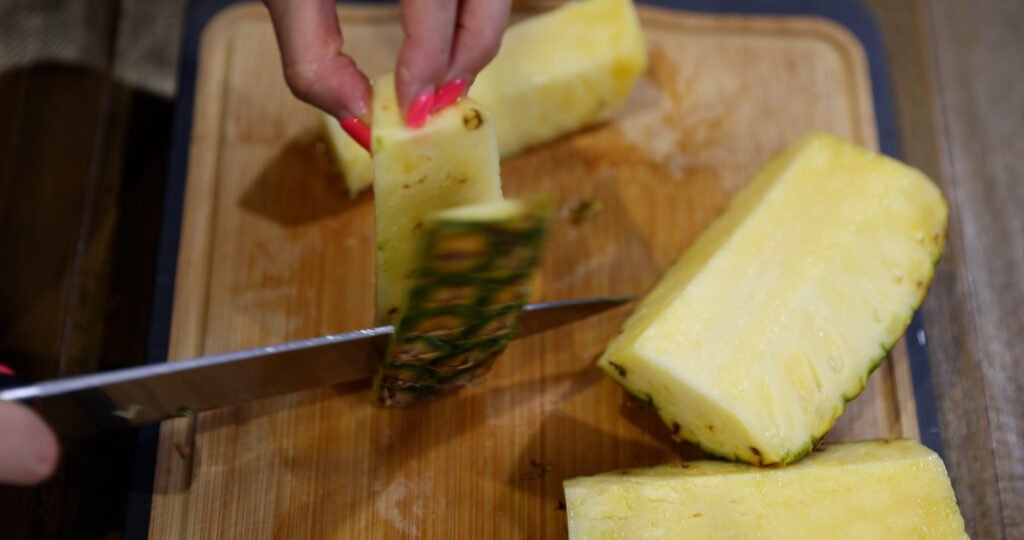
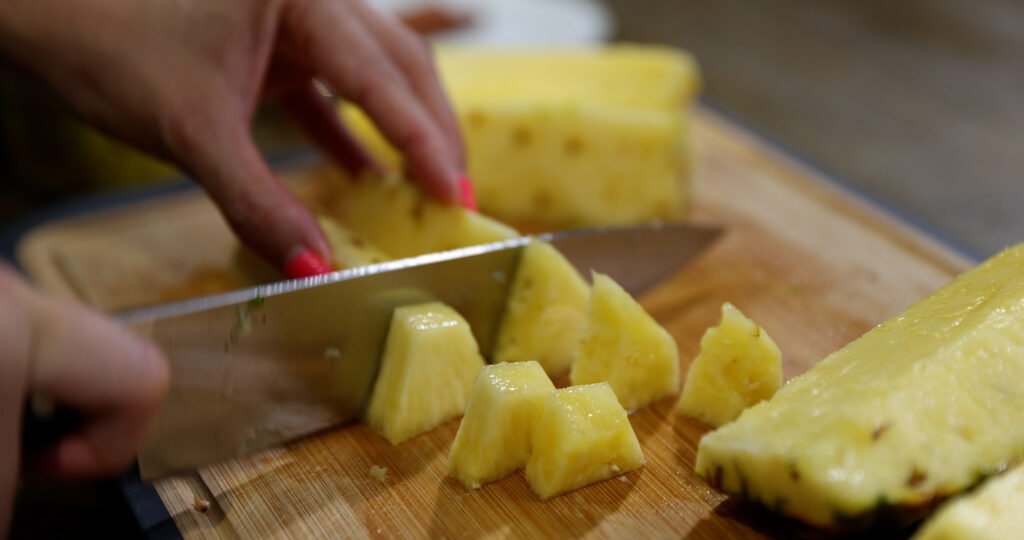
  • 1 ripe pineapple, peeled, cored and cut into bite sized chunks
  • 120g sugar
  • 2 cinnamon sticks (approx. 5cm long each)
  • 75g raisins
  • 2 teaspoon vanilla essence
  • 300ml water
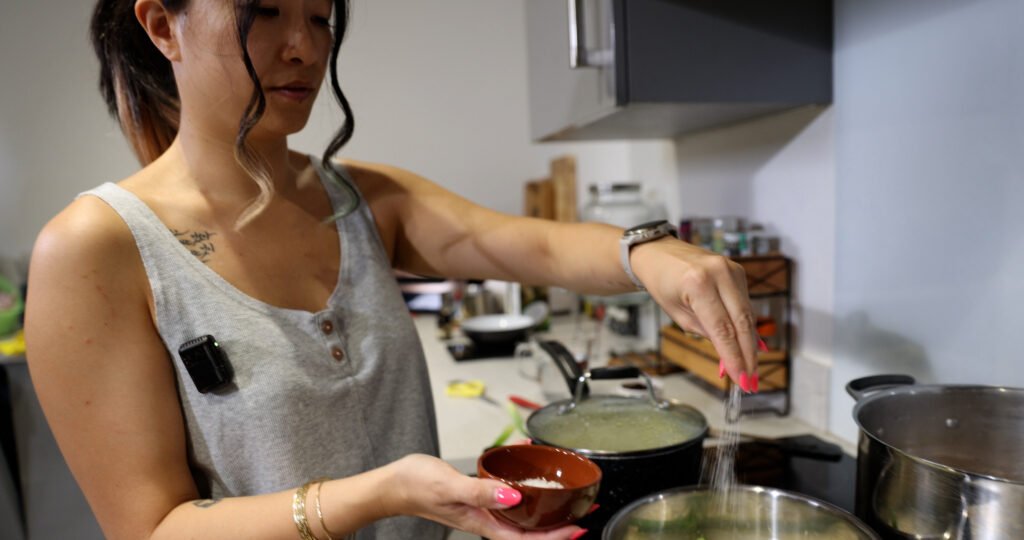
  • Pinch of sea salt

Coconut broth

  • 400ml coconut milk (add 200ml water if you want to lighten it)
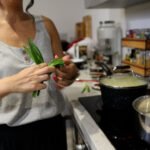
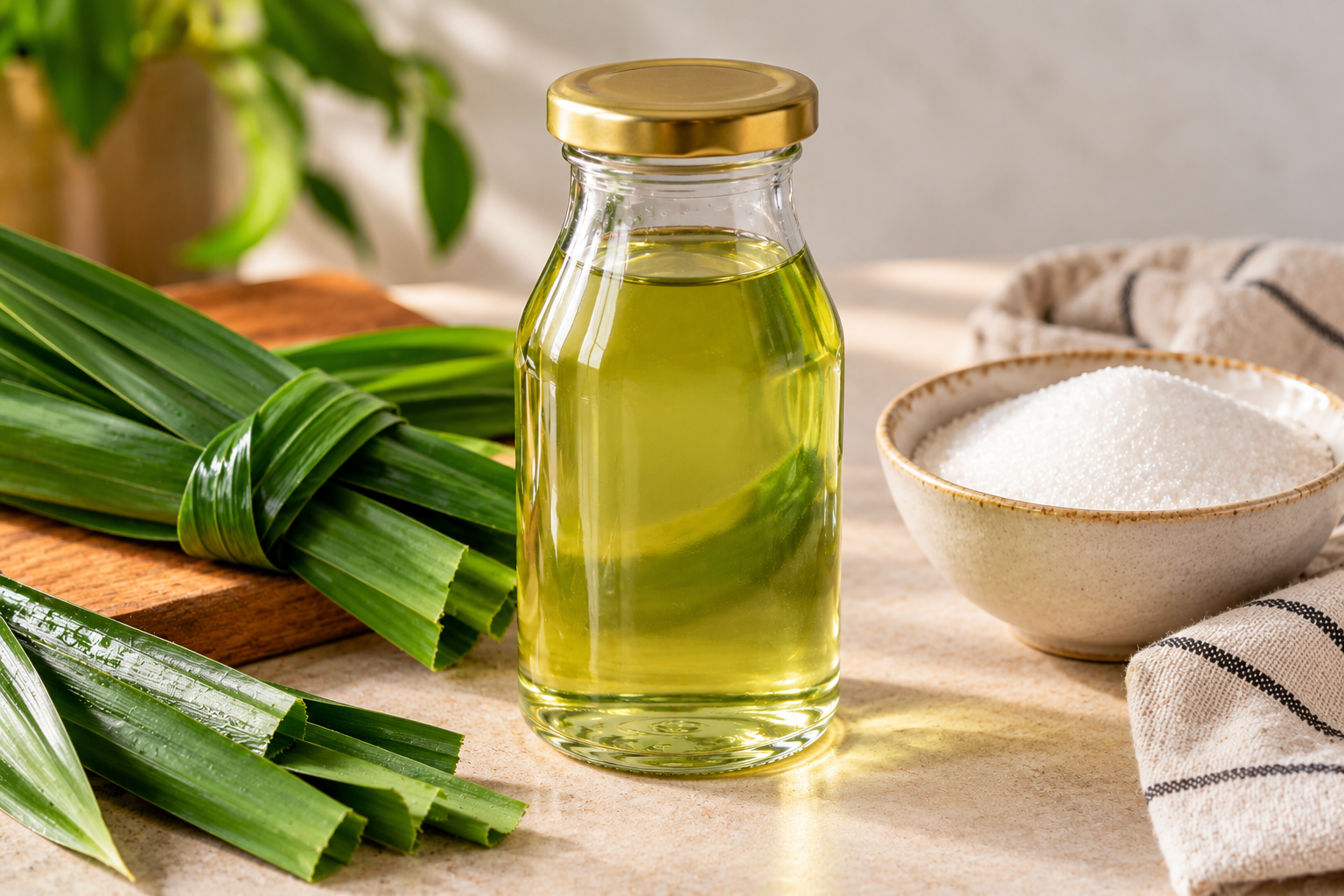
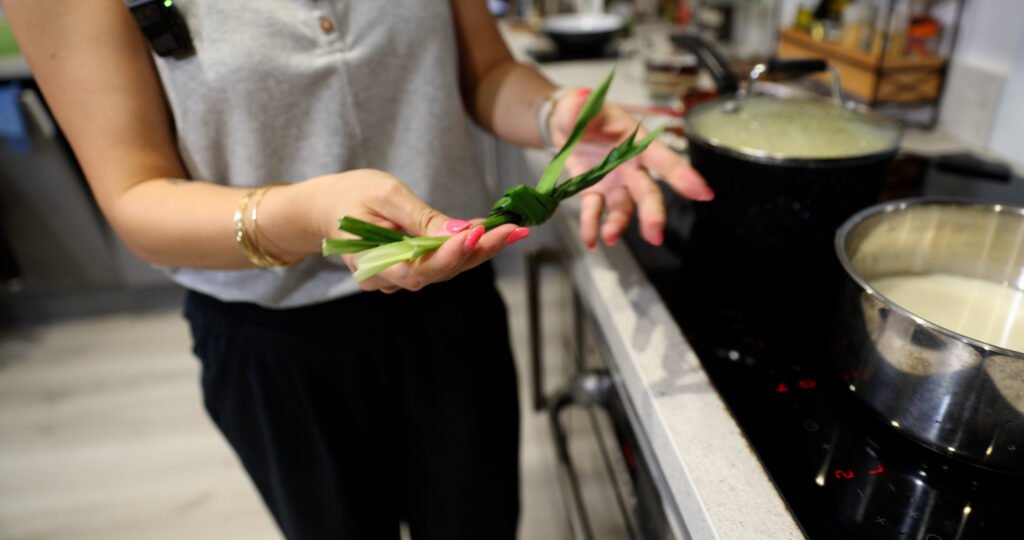
  • 2 pandan leaves, tied into knots (optional)
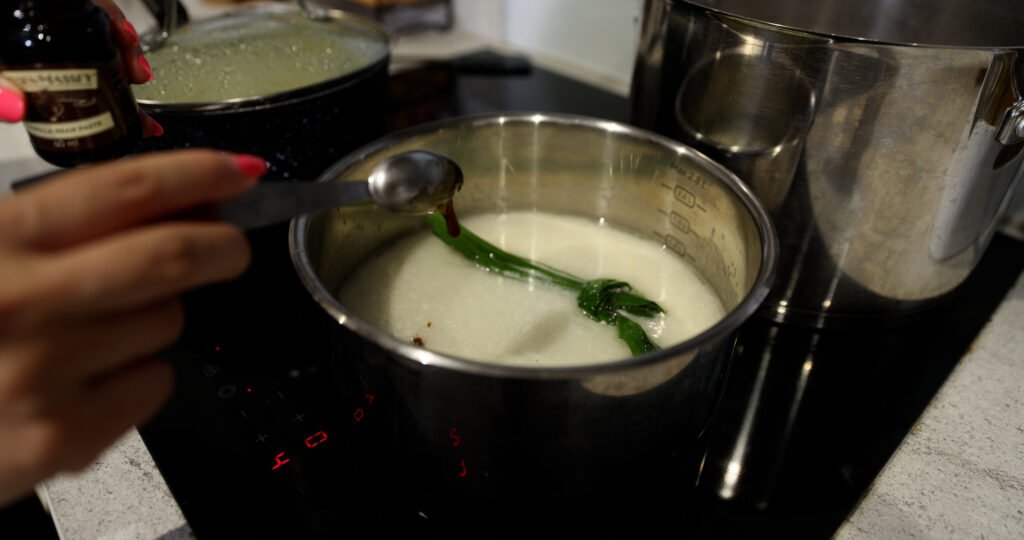
  • 1 teaspoon vanilla extract
  • Pinch of salt

Additions

  • 75g cooked small tapioca pearls (sago)

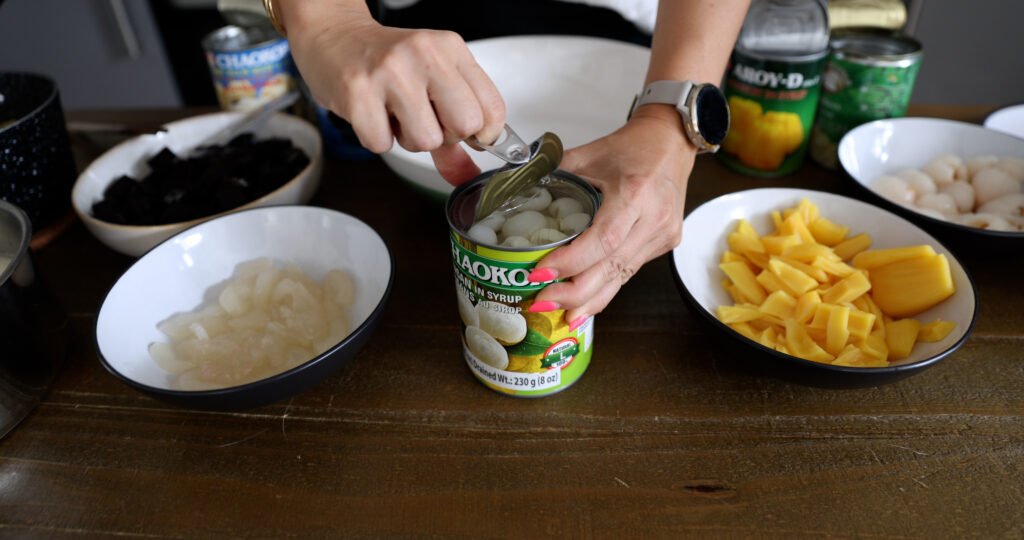
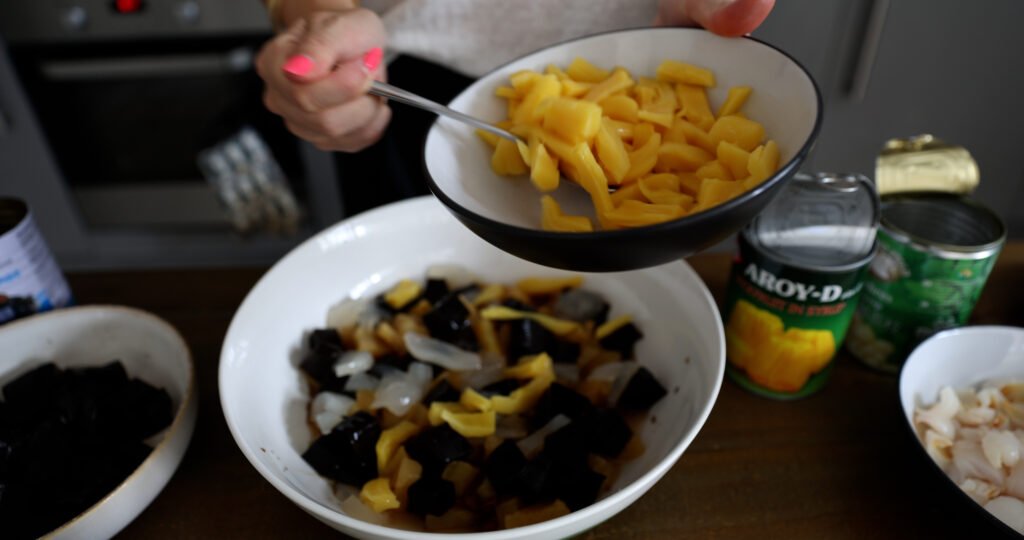
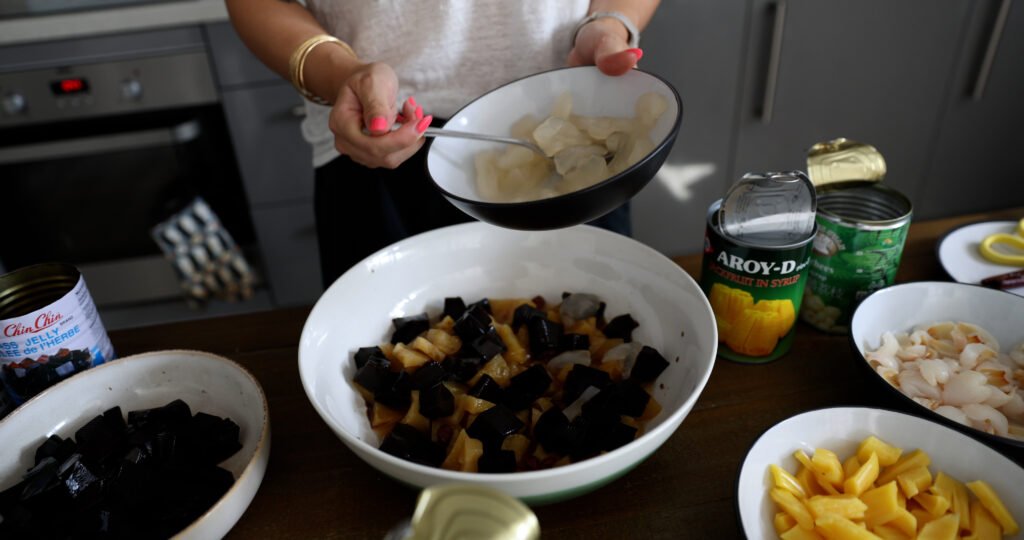
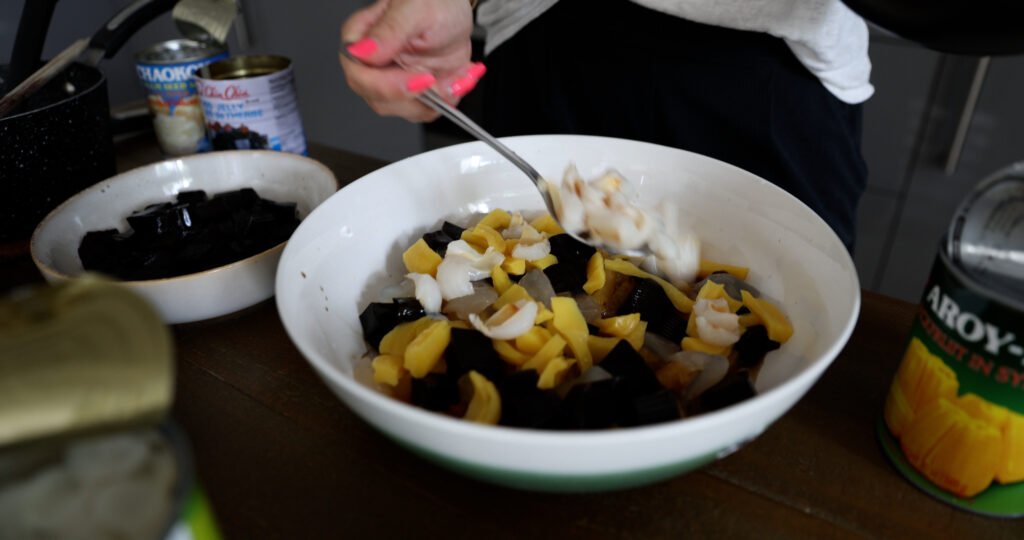
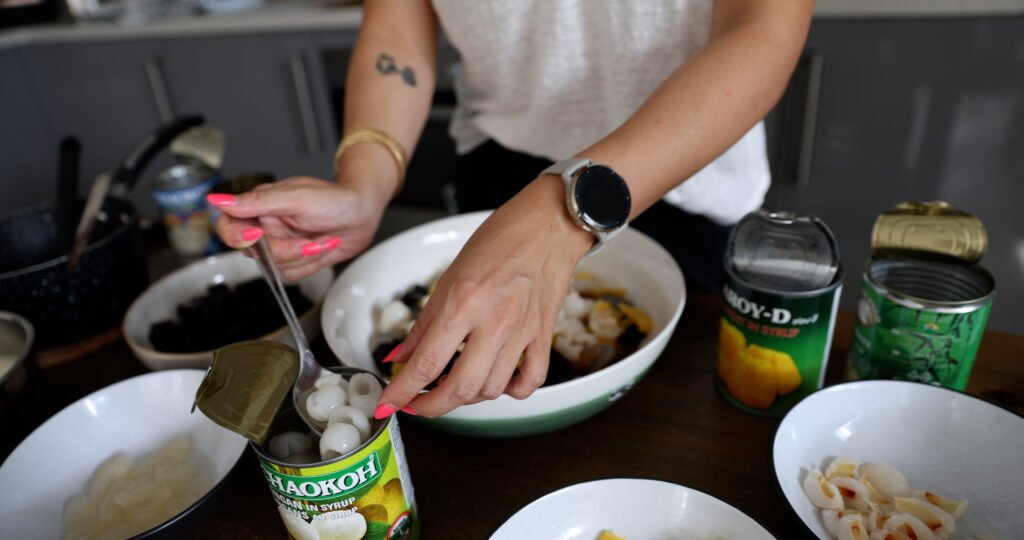
Optional toppings and mix ins

Choose one or several to make the dessert your own:

  • Grass jelly
  • Coconut jelly
  • Lychee jelly
  • Palm seed
  • Nata de coco
  • Fresh mango
  • Lychees
  • Longan
  • Jackfruit
  • Dragon fruit
  • Pomelo segments
  • Toasted coconut flakes
  • Fresh lime zest
  • Fresh mint

Method

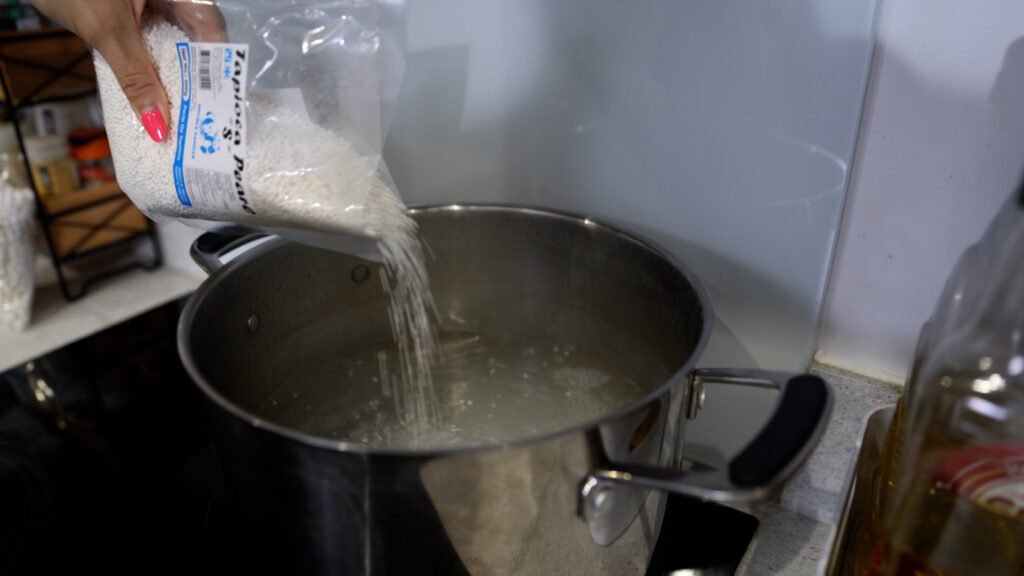
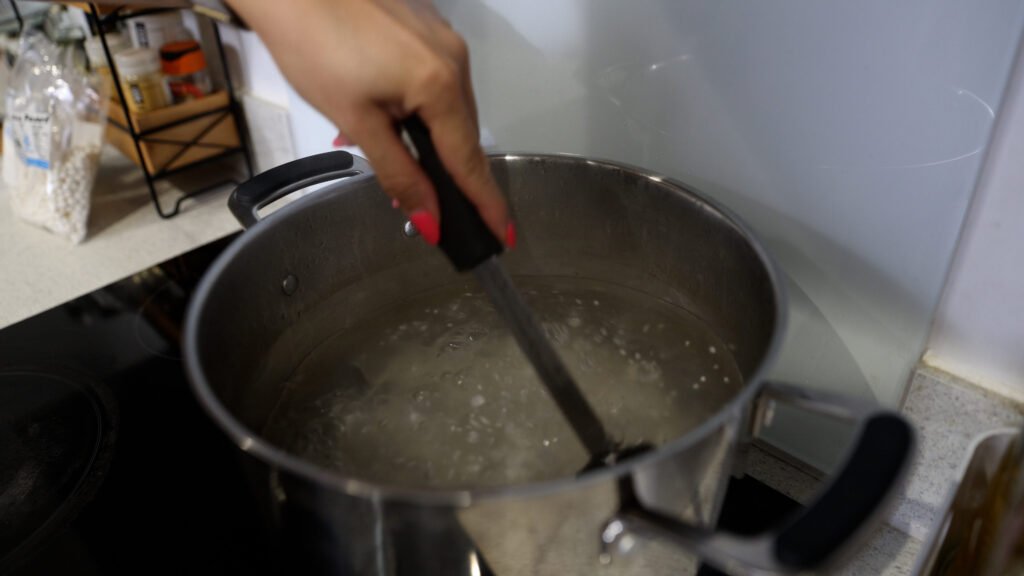
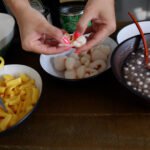
Cook the tapioca pearls according to the packet instructions. Make sure to stir as soon as they are in the water to prevent them from sticking to each other and the bottom of the pot. Rinse under cold water and set aside to cool, then refrigerate in sugary water to prevent sticking and to sweeten the pearls.

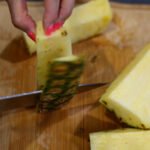
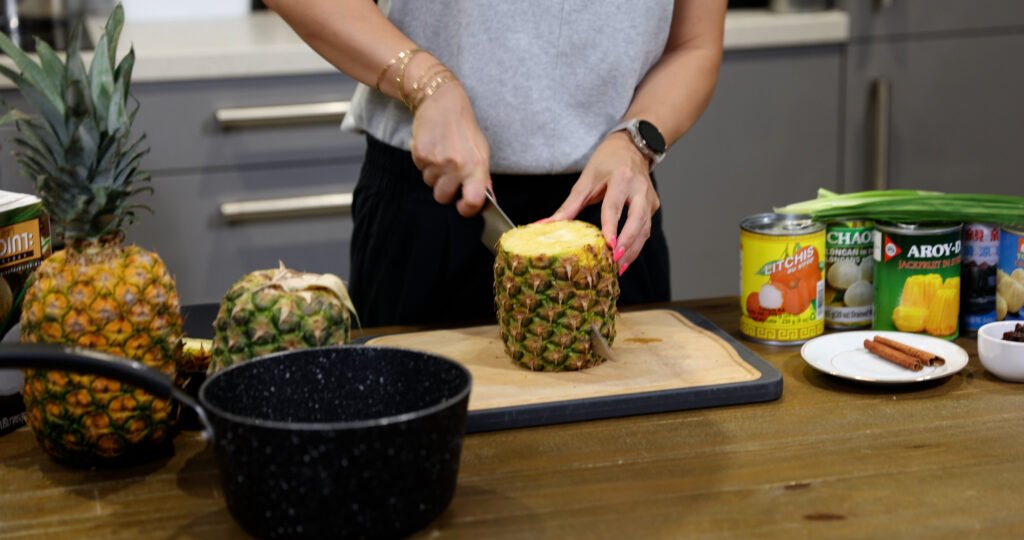
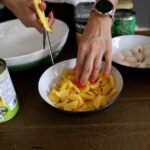
While the tapioca pearls are cooking, chop the pineapple into chunks.
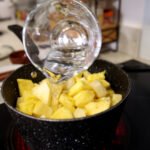
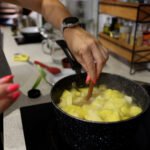
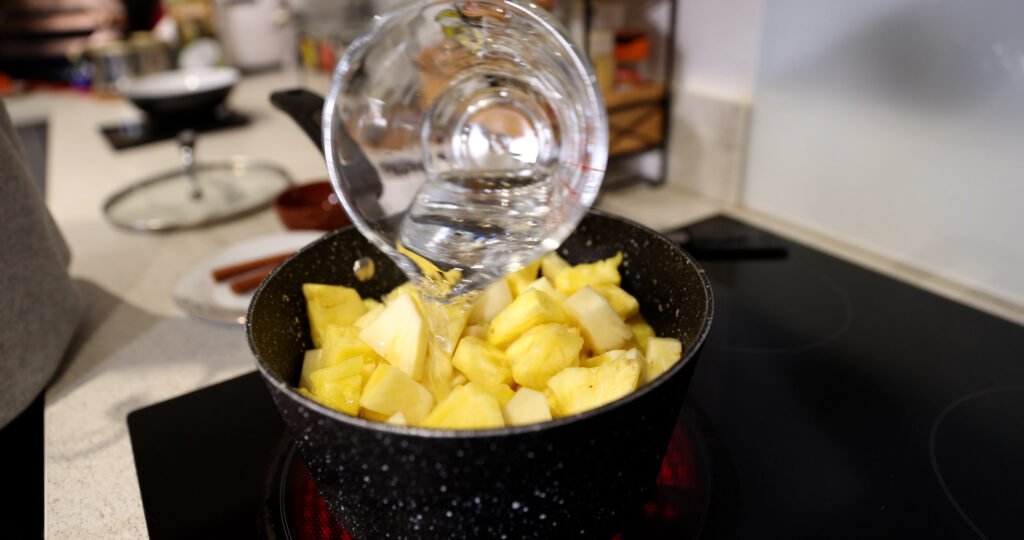
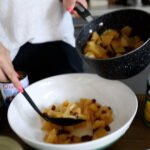
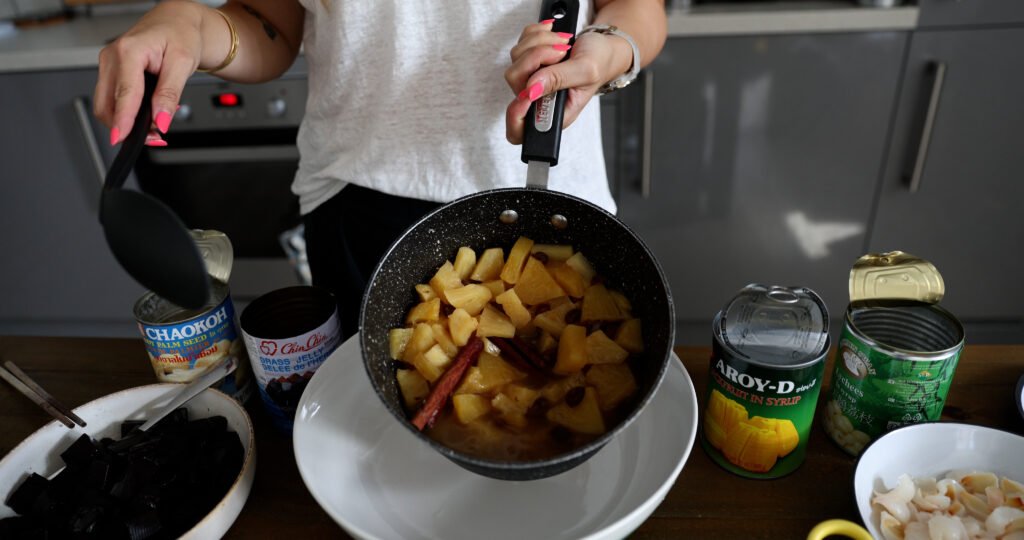
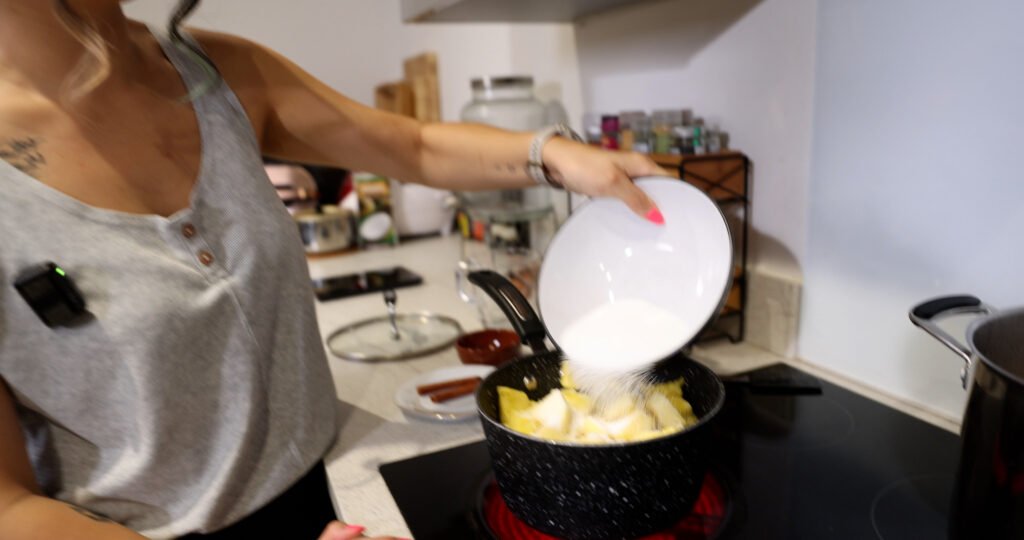
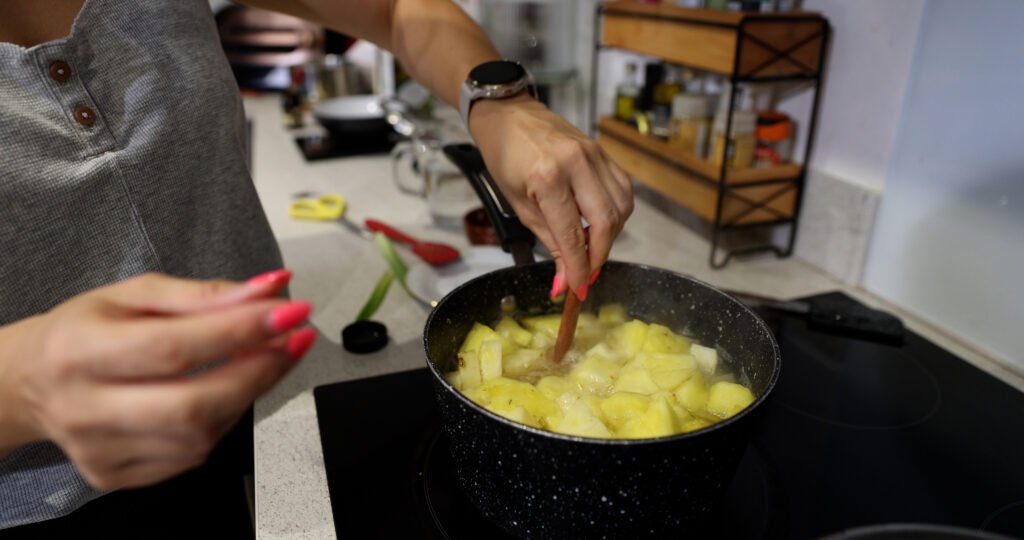
Place the pineapple, sugar, cinnamon sticks, raisins, vanilla essence, water and a pinch of salt into a saucepan. Gently stir to allow the sugar to dissolve.
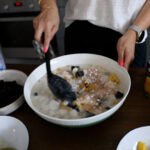
Bring to a gentle simmer and cook for around 15 to 20 minutes until the pineapple is tender and the syrup has thickened. Allow the mixture to cool, then transfer to the fridge until fully chilled.

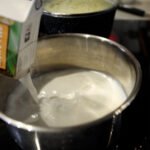
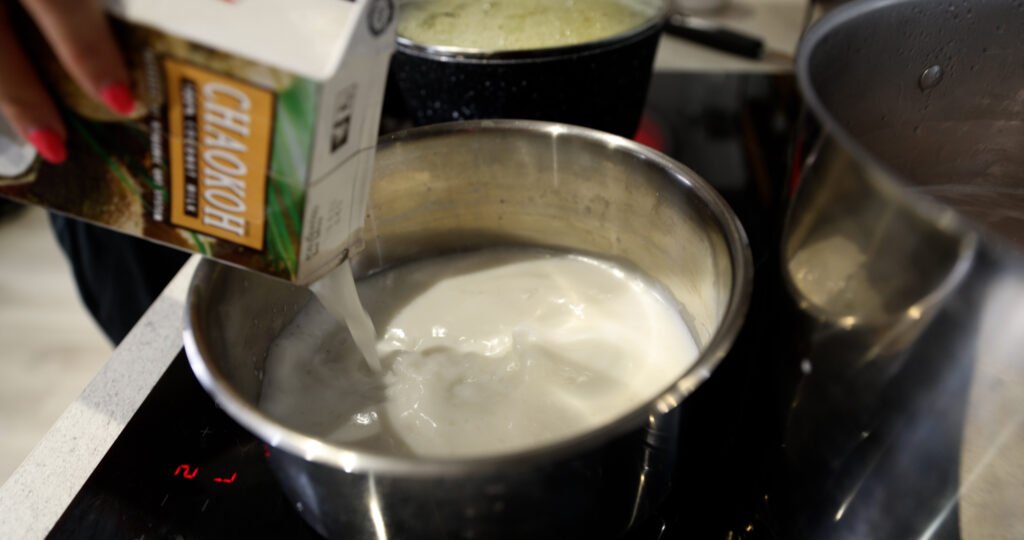
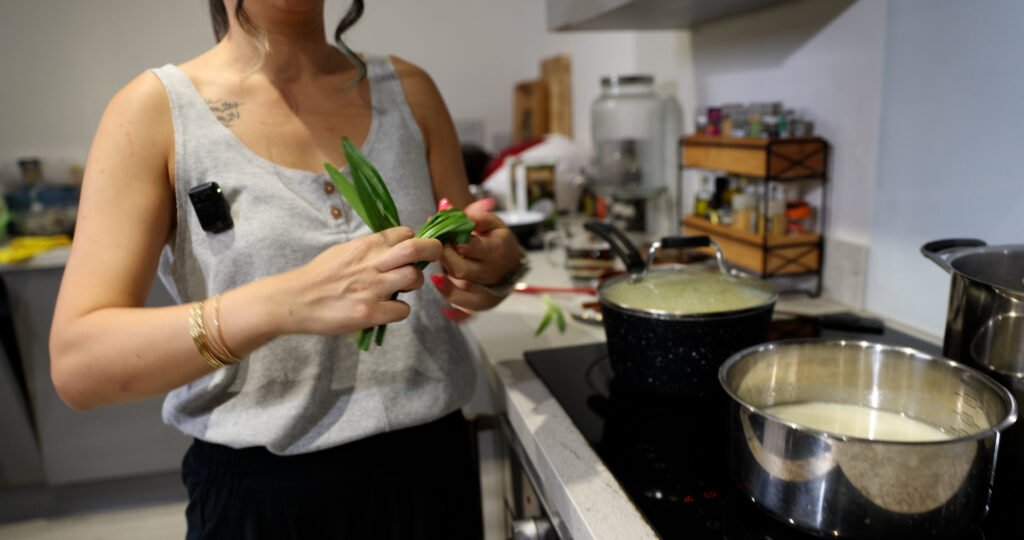
In a separate saucepan, gently warm the coconut milk, water, pandan leaves, vanilla and salt over a low heat stirring occasionally for about ten minutes. Do not let the coconut milk boil.

Take off the heat and allow the pandan to infuse for an additional 10 minutes before removing it. Let the coconut broth cool, then chill in the fridge.

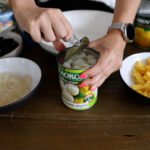
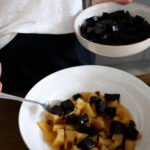
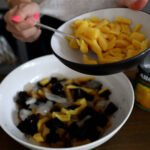
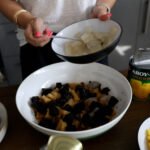
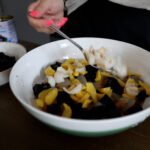
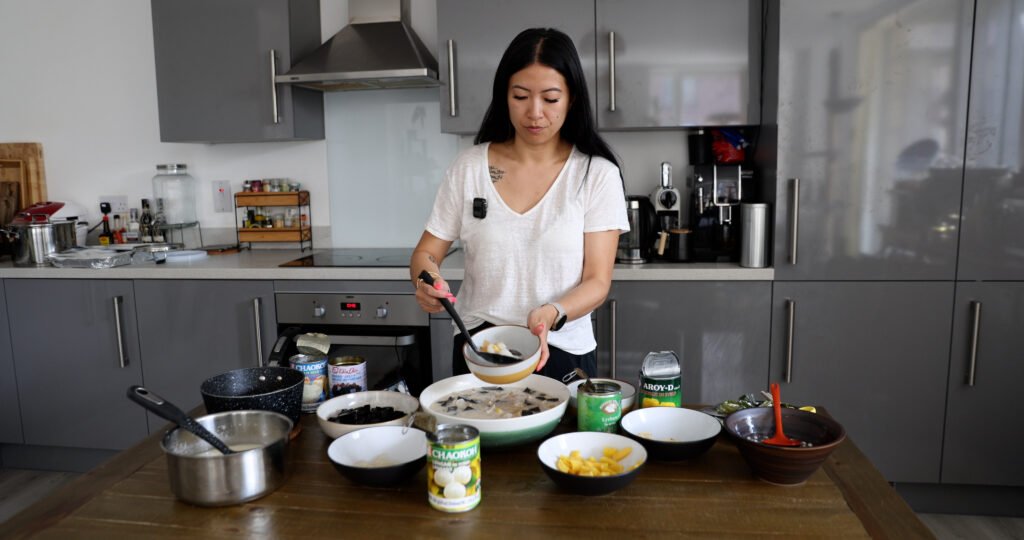
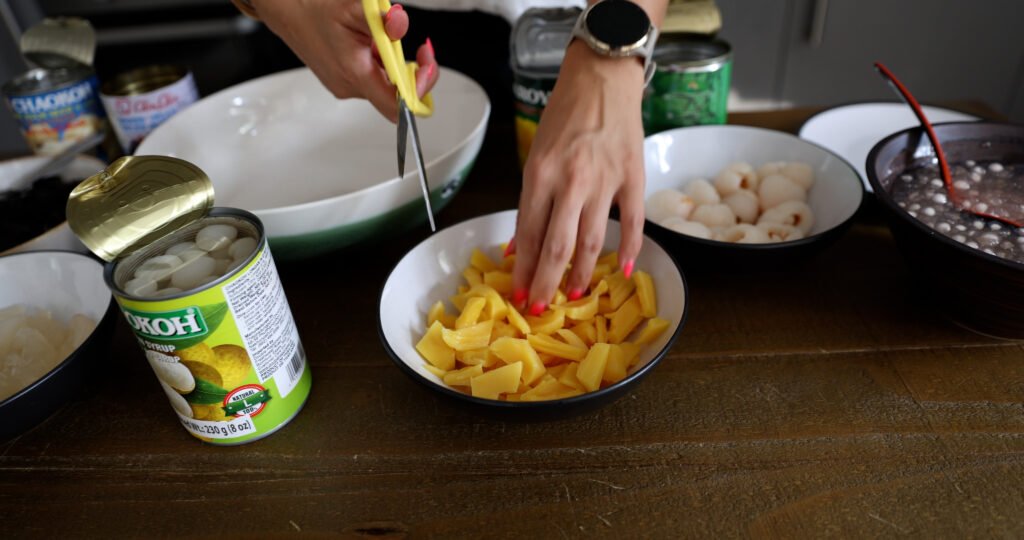
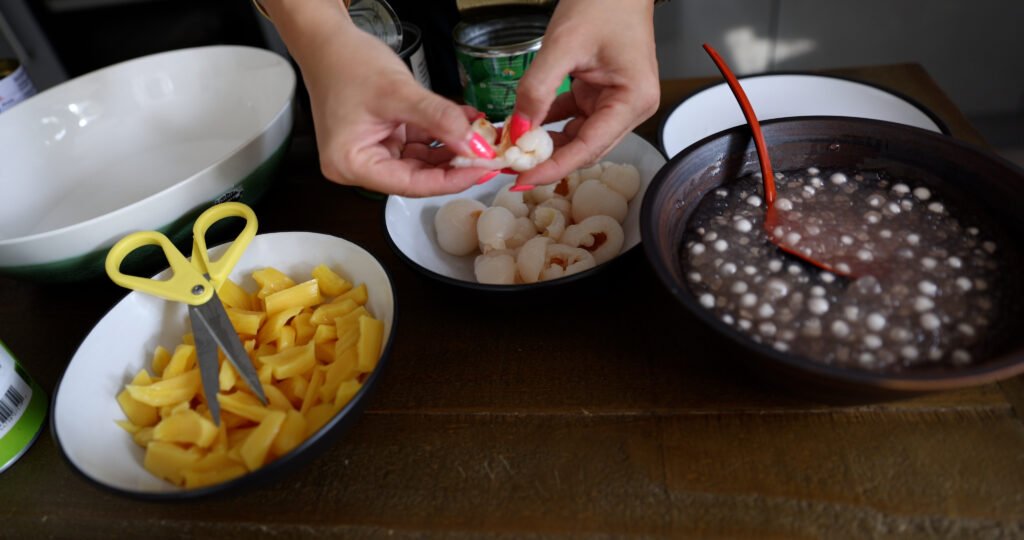
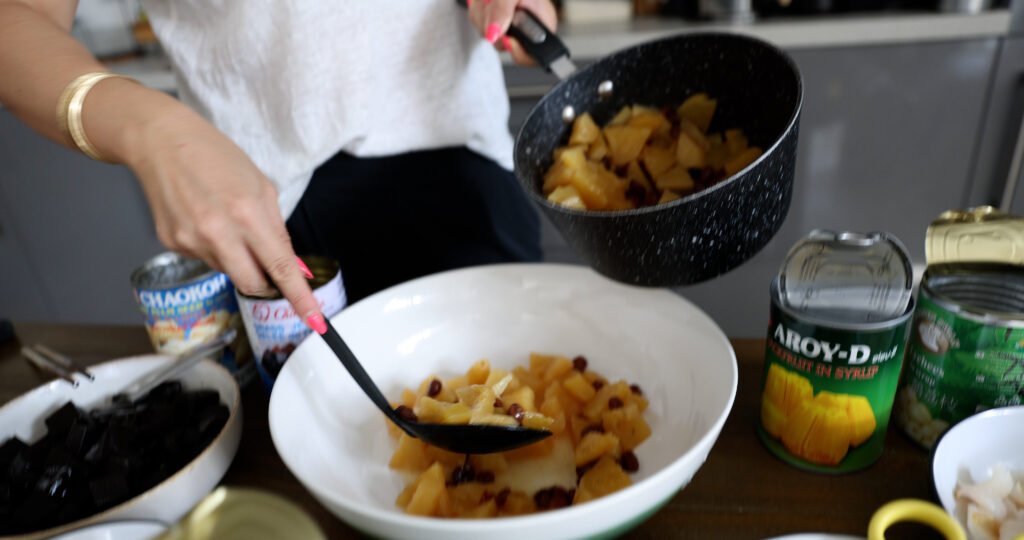
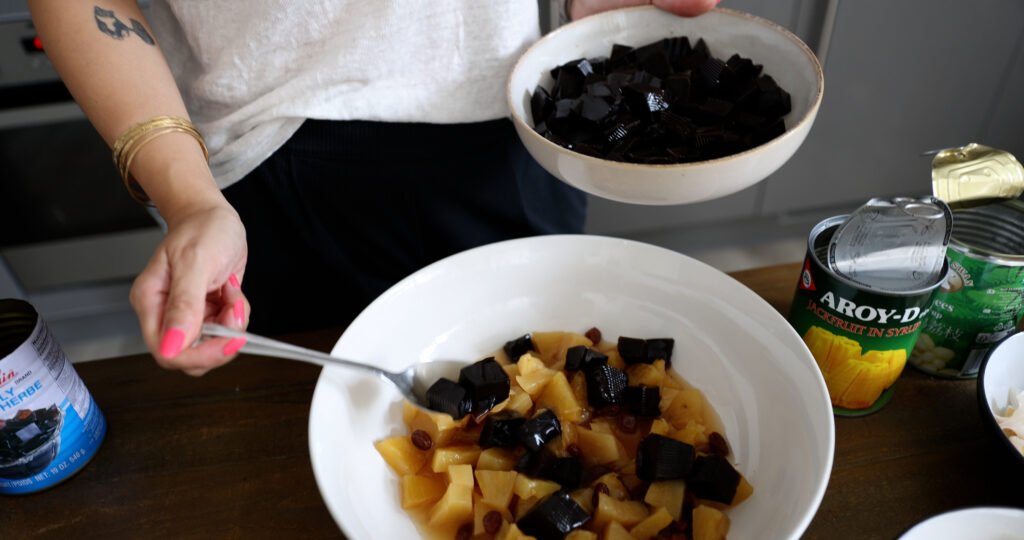
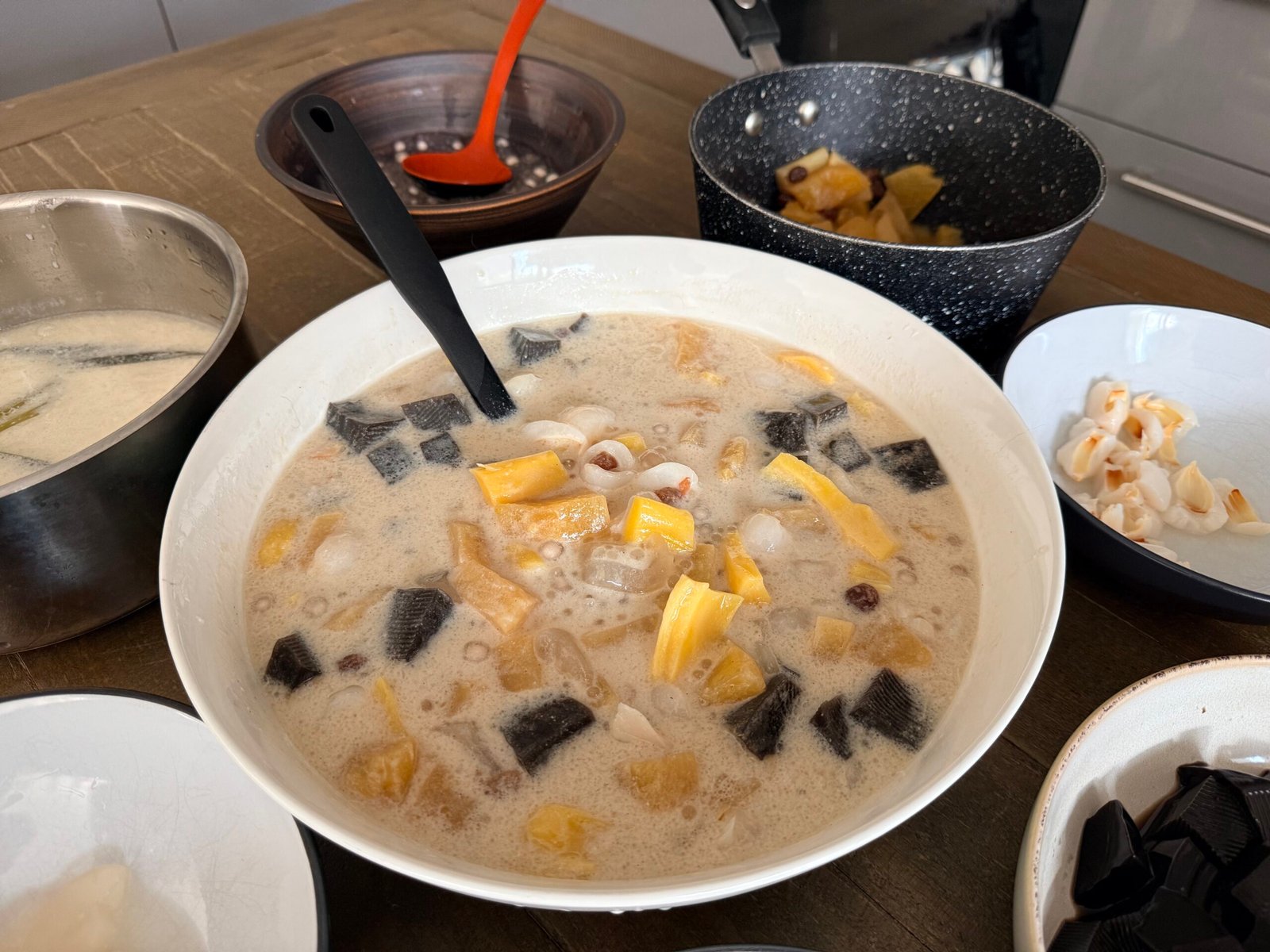
Once all components are thoroughly chilled, combine the coconut broth with the pineapple mixture. Now here comes the fun part where you can add all the additional toppings of your choice. If using tinned fruit, don’t add the syrup directly in the bowl, leave it to the side. You’ll risk the danger of changing the flavour completely and making it too sweet. Once you’ve added everything in, stir to evenly distribute. Give it a taste and then decide whether you would like to add more fruit syrup.

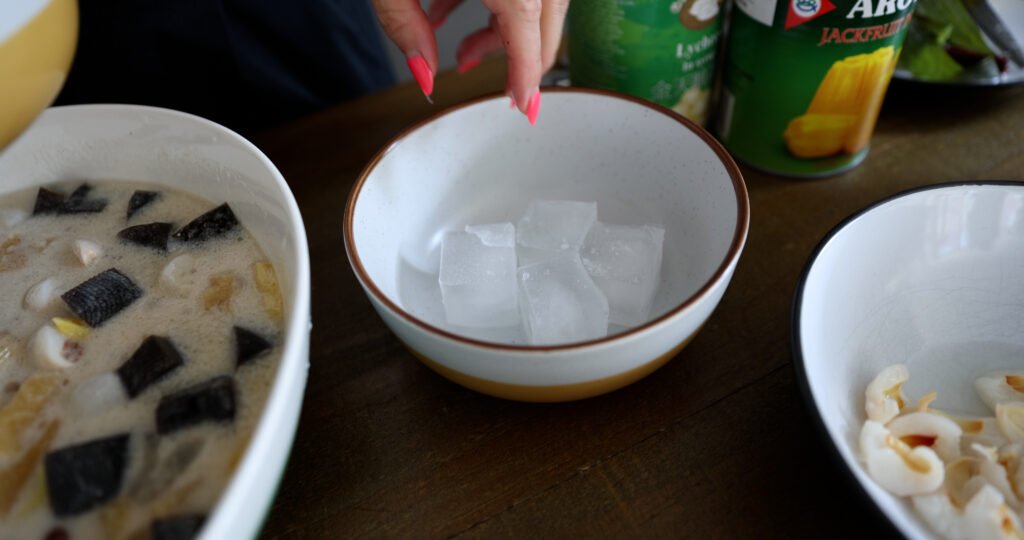
For a chilled version, transfer the combined dessert to the fridge for at least 30 minutes before serving. Ladle into bowls, add a few ice cubes if desired, and finish with your favourite toppings for a refreshing treat.

If you’d prefer to enjoy it warm, skip the chilling step. Gently warm the combined pineapple, coconut broth and tapioca mixture over low heat until just heated through, then serve immediately with your chosen toppings for a comforting dessert.

Final Thoughts

This dessert perfectly captures why I love travelling through food.

It begins with Yama, who welcomed us into her home and generously shared a recipe that has been enjoyed by Dominican families for generations.

It continues with my own Chinese and Vietnamese heritage, where desserts are often built around fruit, coconut milk and comforting bowls that bring people together.

Neither culture overshadows the other. Instead, they meet somewhere in the middle. The cinnamon and pineapple still tell the story of the Dominican Republic, while the coconut milk, tapioca and optional jellies bring in the flavours and textures I grew up with. It’s a reminder that food doesn’t need borders.

Sometimes all it takes is one generous cook, one unforgettable afternoon and one simple recipe to create something that feels like home in more than one place.

Thank you, Yama, for opening your kitchen and sharing a little piece of the Dominican Republic with us. I hope this recipe honours your tradition while celebrating mine.

You might also like

More Similar Posts

Leave a Reply

Your email address will not be published. Required fields are marked *

Fill out this field
Fill out this field
Please enter a valid email address.
You need to agree with the terms to proceed