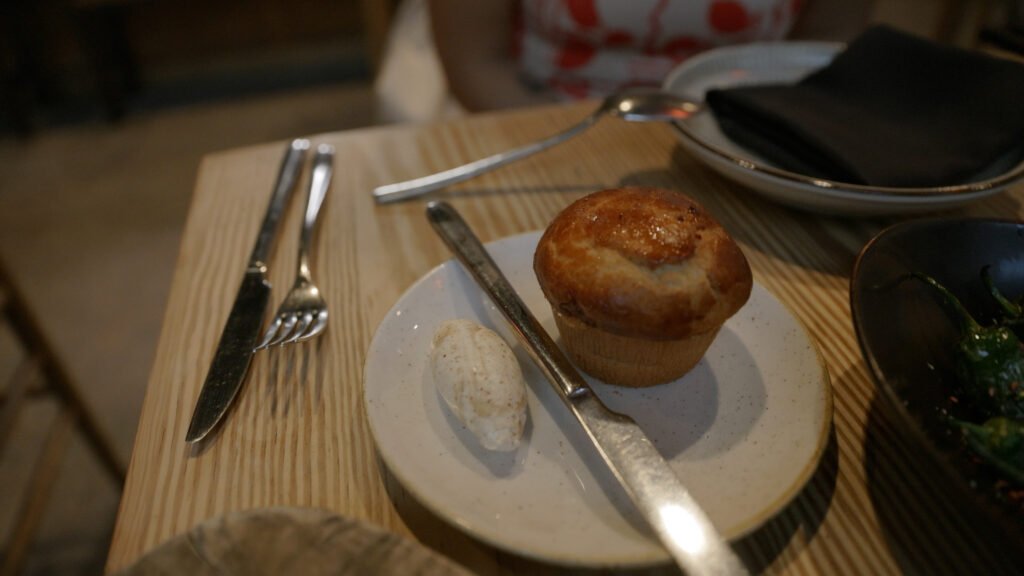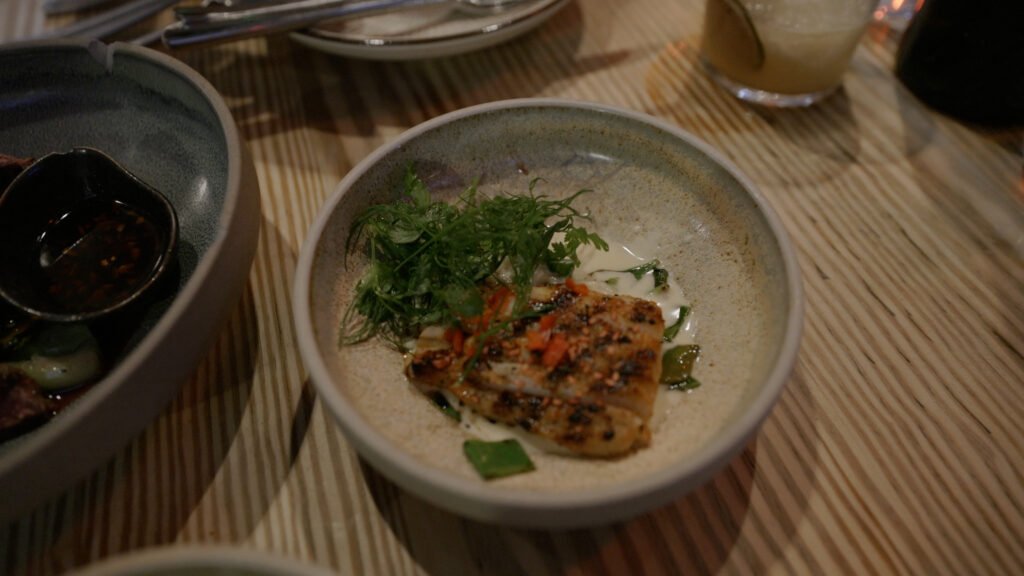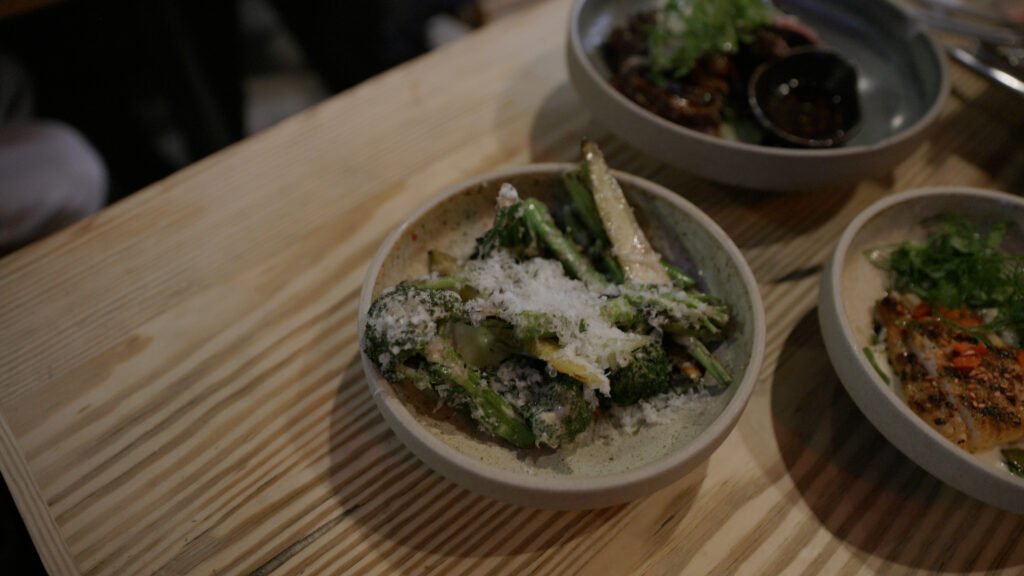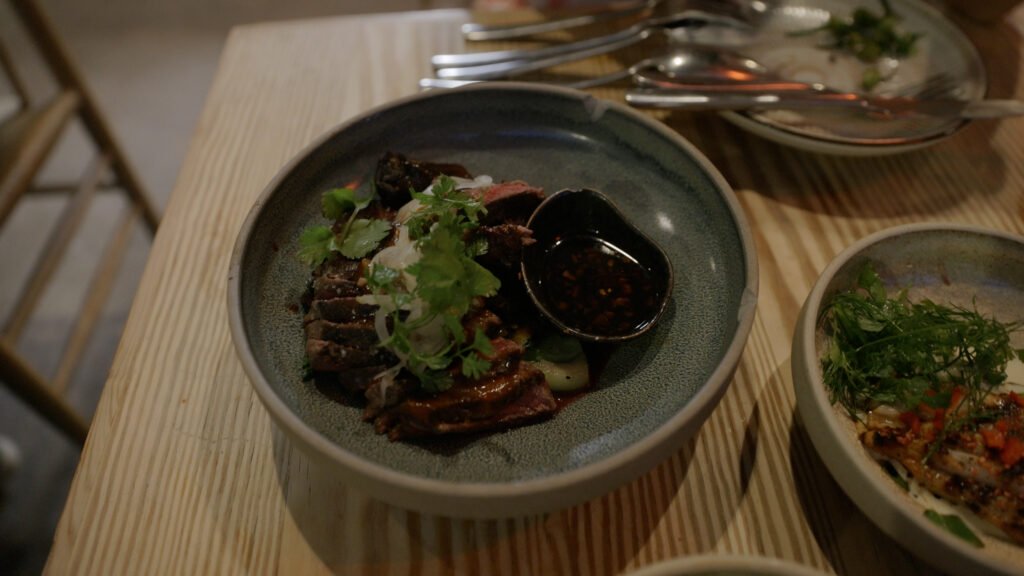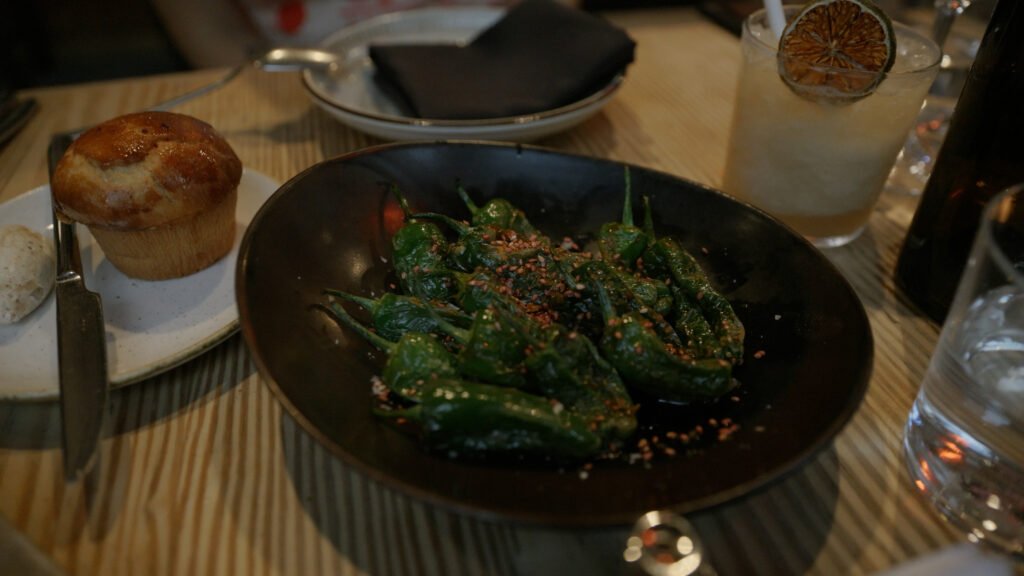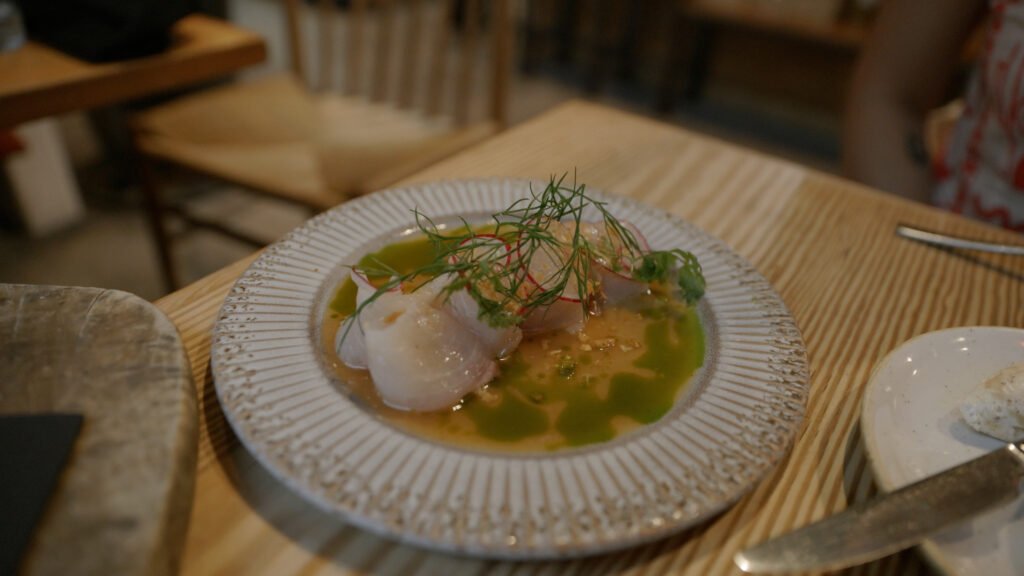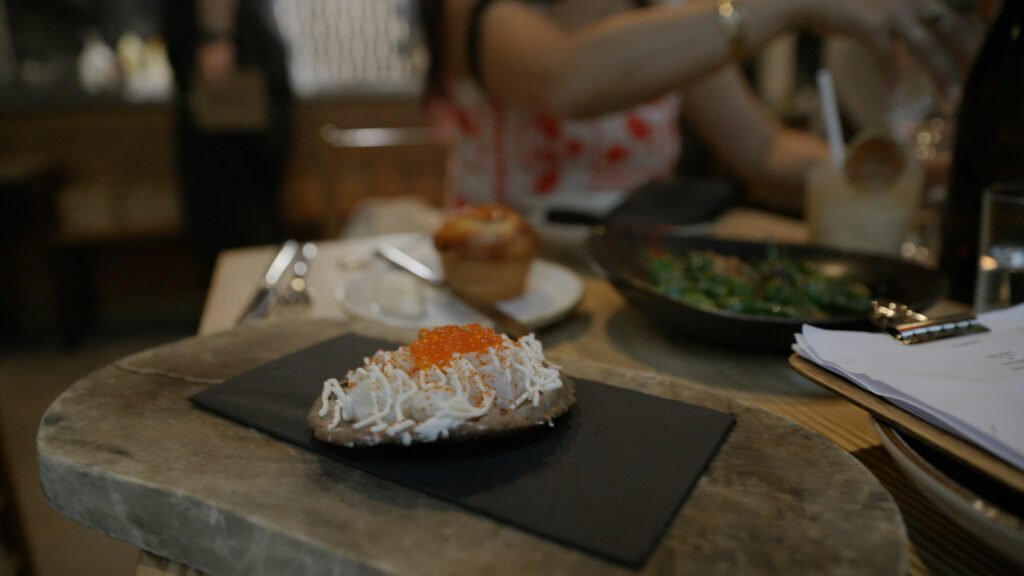
There is the smell first. Smoke. Wood. Ash. Then the warmth of the grill, the energy of the kitchen and a menu that is a fusion of flavours across the globe. Latin American flavours meet Asian influences, Norwegian ingredients meet techniques from much further afield, and everything comes together around a rare centrepiece in Oslo’s dining scene: an open wood-fired grill and stone oven setup. It’s because of this setup that made Katla and their dishes a truly unique experience.
Katla, Oslo: Where Latin America and Asia Meets Norway Over Fire and Smoke
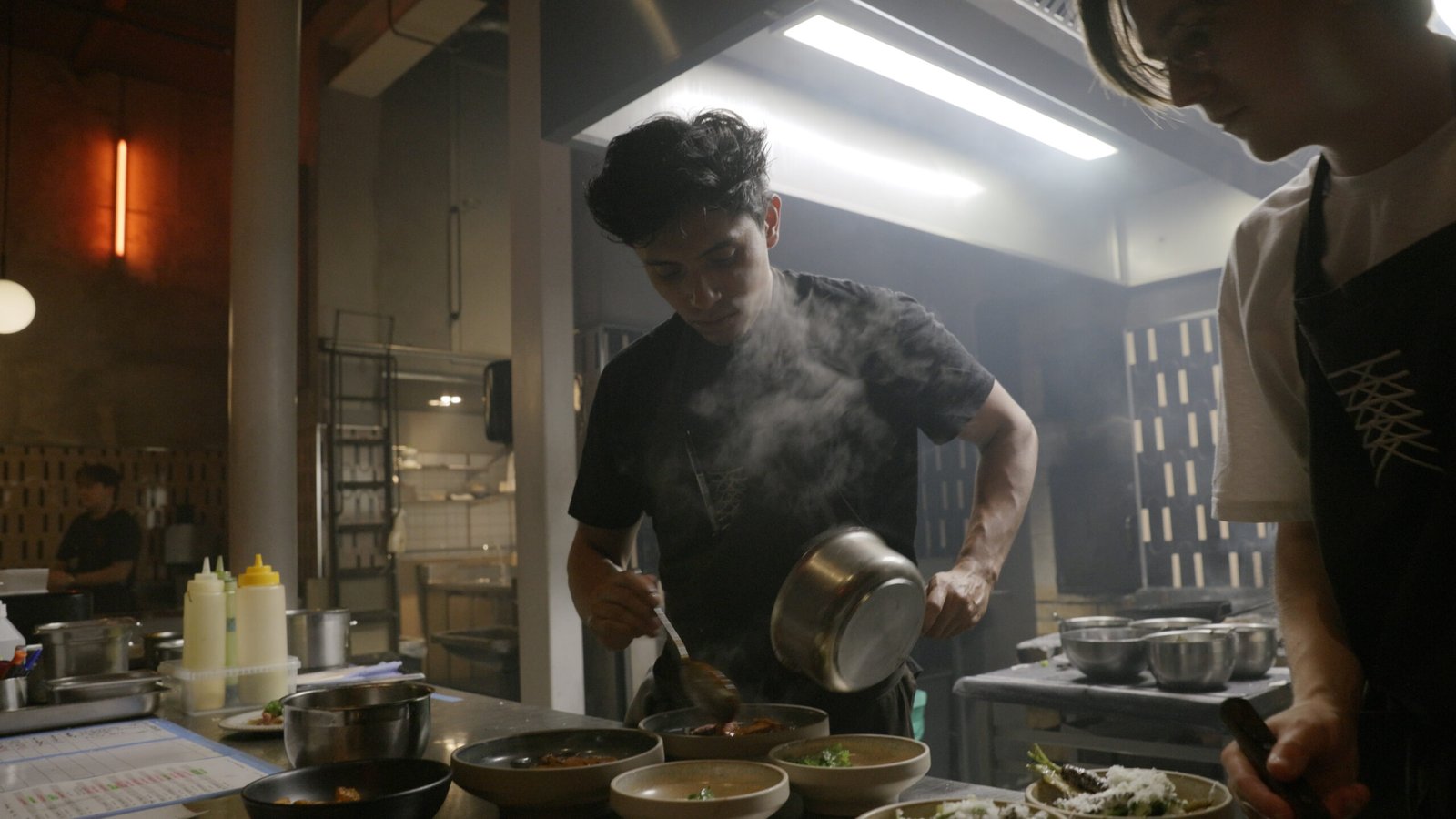
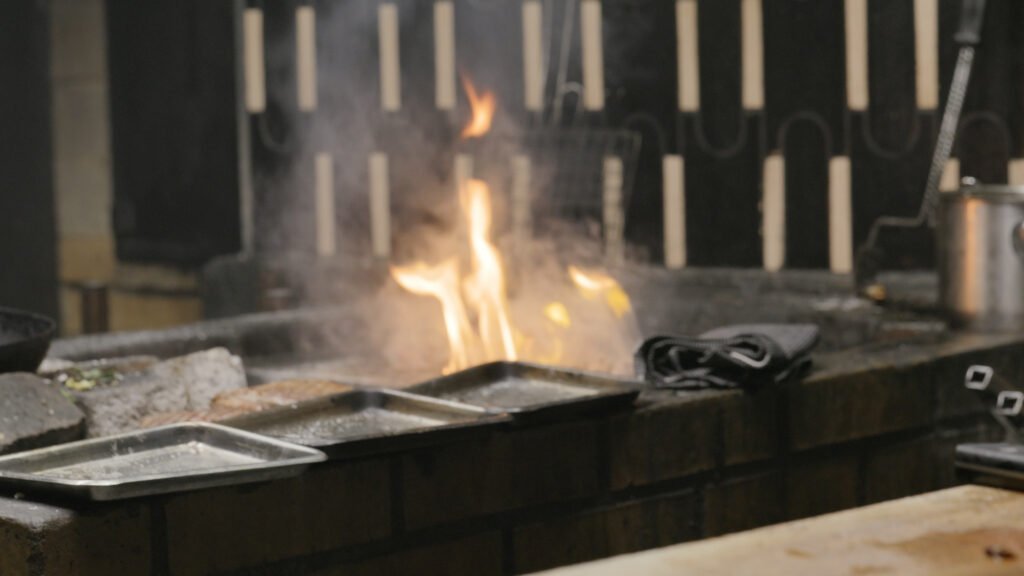
There is the smell first. Smoke. Wood. Ash. Then the warmth of the grill, the energy of the kitchen and a menu that is a fusion of flavours across the globe. Latin American flavours meet Asian influences, Norwegian ingredients meet techniques from much further afield, and everything comes together around a rare centrepiece in Oslo’s dining scene: an open wood-fired grill and stone oven setup. It’s because of this setup that made Katla and their dishes a truly unique experience.
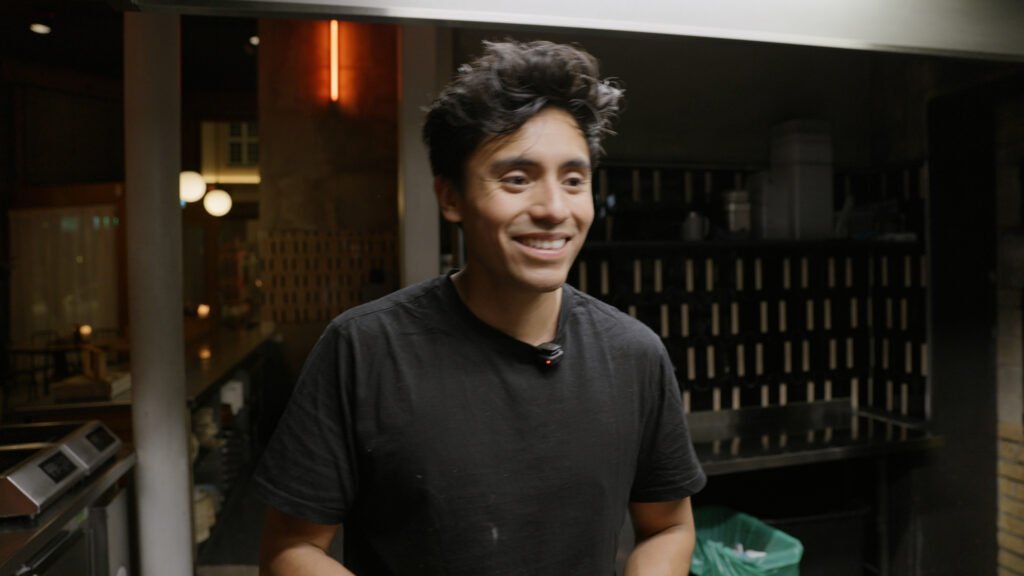
When we visited Katla, we also had the chance to sit down with Head Chef Rodrigo, originally from Mexico City, to talk about the restaurant, his journey to Norway, the flavours that inspire him and what makes a great meal.
A restaurant built around fire
For Rodrigo, there are three things that make Katla special: the guests, the team and the food.
The guests, he says, are people who are willing to step outside what they might traditionally expect from a Scandinavian restaurant and try something different. Then there is his team, which he clearly enjoys working alongside.
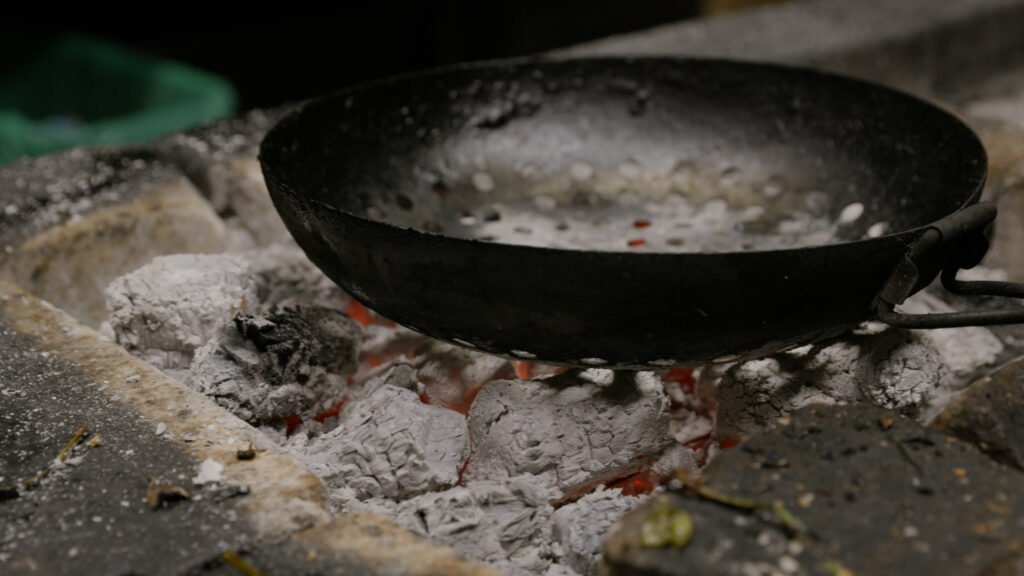
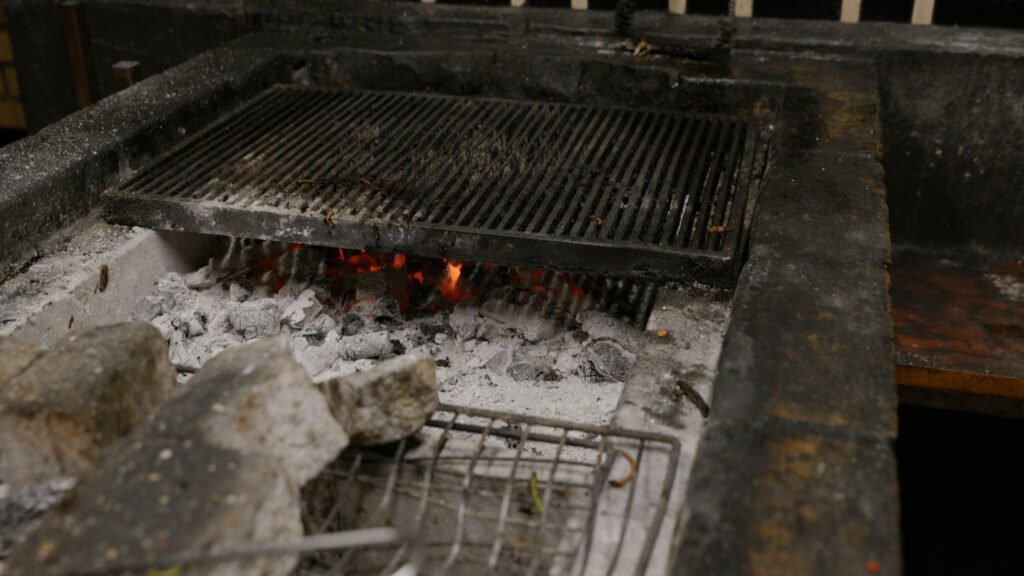
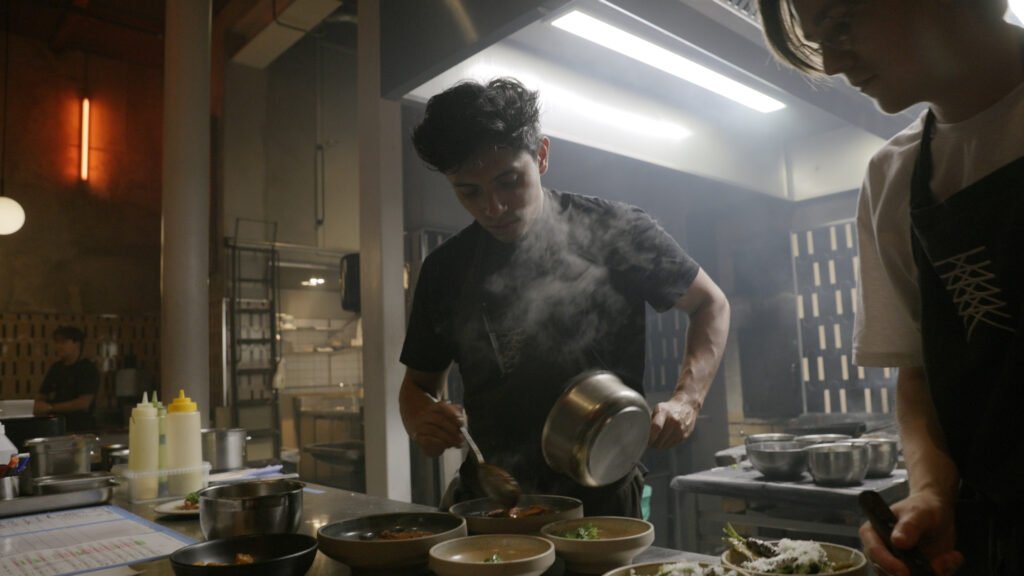
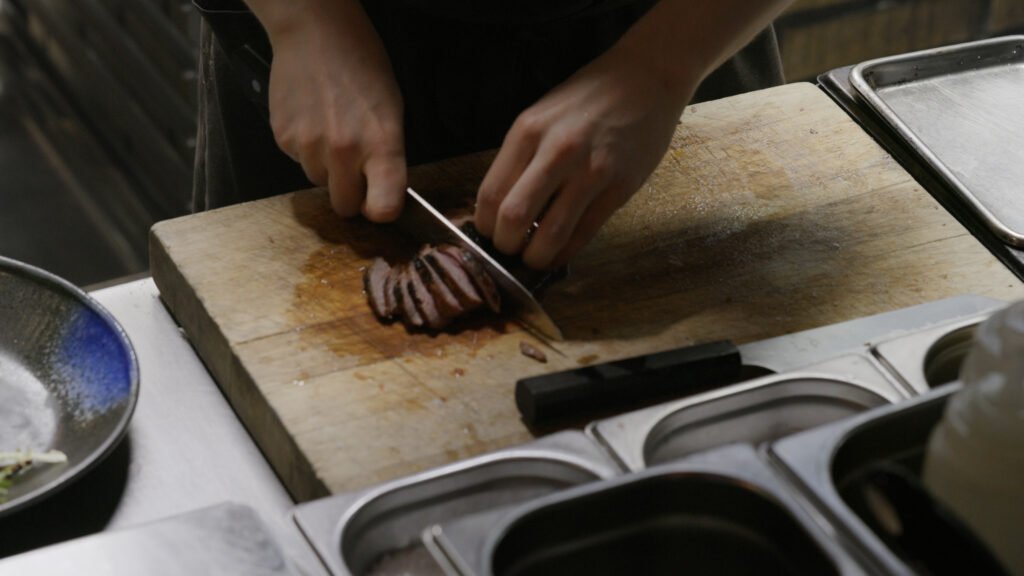
But it is the cooking that really defines Katla. The restaurant’s huge grill is impossible to ignore. It brings a distinct character to the space, filling the restaurant with the smell of burning wood and smoke and adding another layer to the food itself.
“There is a lot of wood, a lot of ashes, a lot of explosive flavours,” Rodrigo tells us.
Latin America, Asia and Norway on the same plate
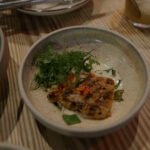
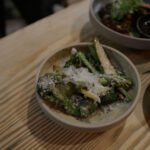
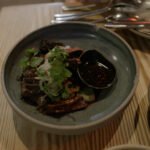
Trying to define Katla’s menu isn’t particularly easy and Rodrigo admits that it can be difficult even for him to explain. There isn’t necessarily one fixed concept that dictates every dish. Instead, there is a willingness to experiment, work as a team and see where an idea takes them.
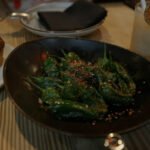
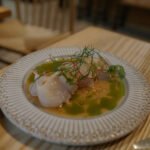
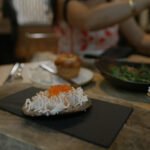
The foundations are a combination of Mexican and Asian flavours, brought together with Norwegian produce. Seasonality plays a huge role. Norway’s climate means that ingredients aren’t necessarily available all year round, so the kitchen has to work with what is available and adapt throughout the seasons. Vegetables, producers and ingredients all influence what appears on the menu.
That means there isn’t necessarily a signature dish that remains unchanged. Instead, dishes come and go. Ideas develop in the kitchen, ingredients change and the menu evolves with the seasons.
For diners, that makes part of the appeal the feeling that you are experiencing something that exists right now, rather than simply ordering something that has been repeated in exactly the same way for years.
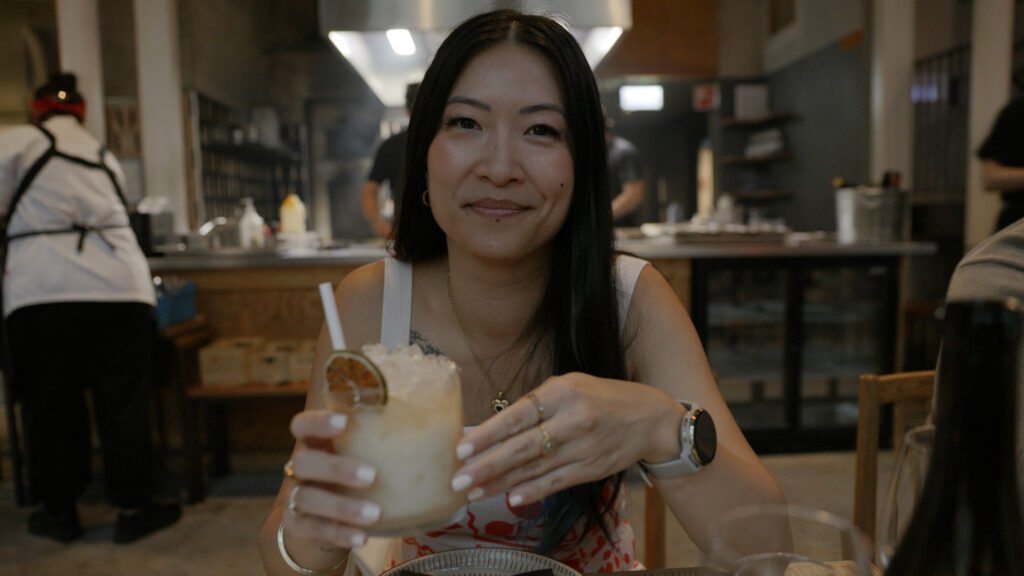
We found that same spirit of experimentation in the drinks. The Yuzu Sake Margarita we had was a standout, bringing a fresh, bright note that worked beautifully alongside the food. It was the kind of drink that complemented rather than competed with the dishes and was so memorable that it inspired us to create our own version at home: a Yuzu Sake Gimlet.
Check out our Yuzu Sake Gimlet recipe →


From Mexico City to Oslo
Rodrigo’s own journey makes Katla’s cooking particularly interesting. He grew up in Mexico City, a city he describes as a gastronomic capital where you can find almost everything, from Michelin starred restaurants to incredible local food.
Moving to Norway was a completely different experience.
“Mexico and Norway is the day and the night,” he says.
The differences extend far beyond geography. The food culture, expectations and tastes are different too. One of the biggest challenges has been learning what Norwegian diners want. Rodrigo explains that Oslo has a much smaller population than Mexico City and, as a result, the local palate can feel more specific. Understanding that palate has meant learning from his guests and paying attention to what they respond to.
There is also the Norwegian way of life to consider. When the holidays arrive, people leave the city and head to their cabins. A restaurant can have a full team ready to work, only to find that many potential diners are somewhere else entirely. For a chef, understanding those rhythms becomes part of understanding the country.
Rodrigo says that learning the language has helped him enormously too. Being able to communicate and understand people gives him another way into the culture and, ultimately, into understanding the people he is cooking for. And while the transition has been challenging, he clearly enjoys the process.
A restaurant with a story on its walls
The eclectic feel of Katla doesn’t stop with the food. The restaurant’s interiors are just as mixed and unexpected. The walls feature artwork from different artists, many of whom have simply approached the restaurant with something they wanted to display. The idea is that the artwork can eventually be bought by guests. Rodrigo tells us that they had even sold one of the pieces the day before we visited.
There are also distinctly Mexican touches throughout the space, reflecting the restaurant’s history and identity. Plants bring another element into the room, creating an environment that feels collected rather than overly designed. It all adds to the sense that Katla isn’t trying to fit neatly into one aesthetic category either.
Food as a way of bringing people together
When we ask Rodrigo about his earliest or best memory of food, his answer isn’t about one particular dish. And perhaps that makes perfect sense given how he approaches cooking today.
Unlike the familiar story of learning to cook alongside a grandmother or mother, Rodrigo didn’t grow up with that experience. His parents worked a lot and he spent much of his childhood in kindergarten. Instead, his memories of food centre around eating out with his family. When the weekend came, his mother would take everyone to restaurants, from fast food to more traditional places.
Those experiences taught him something that has stayed with him: food isn’t just about what’s on the plate. It’s also about service, it’s about the experience, and most importantly, it’s about sharing. For Rodrigo, that sense of sharing is one of the most important things about restaurants and dining with other people. It is also something you can feel in the way he talks about Katla.
Rodrigo’s advice for cooking at home
So what can we take from a chef cooking at this level and bring into our own kitchens? Rodrigo’s first piece of advice is perhaps the most enjoyable.
“Open a bottle of wine and enjoy the moment.”
But if you want to get closer to the way food is approached in Mexico City, he recommends starting somewhere much simpler: your local market.
“Ask what’s new. Ask what’s seasonal. Talk to the people selling the ingredients.”
For Rodrigo, those conversations are part of the experience. The people working at markets can point you towards the best fish, the freshest produce and ingredients you might otherwise overlook.
The two ingredients Rodrigo always keeps around
If Rodrigo had to choose just one ingredient to elevate a meal, he actually struggles to pick only one.
His first choice is dried chillies. Growing up in Mexico, chillies are an essential part of his cooking, and he loves that they can travel with you. Having lived and worked in different countries, he has found that dried chillies are one of those ingredients that can still bring a taste of Mexico wherever you are.
His second essential is butter. And he doesn’t hold back when it comes to using it. Butter can work in sauces, desserts and starters, and for Rodrigo, it is one of those ingredients that can transform a dish with very little effort.
So if you’re looking for two simple additions to your kitchen cupboard, dried chillies and plenty of butter might be a good place to start.
And the one kitchen tool worth investing in?
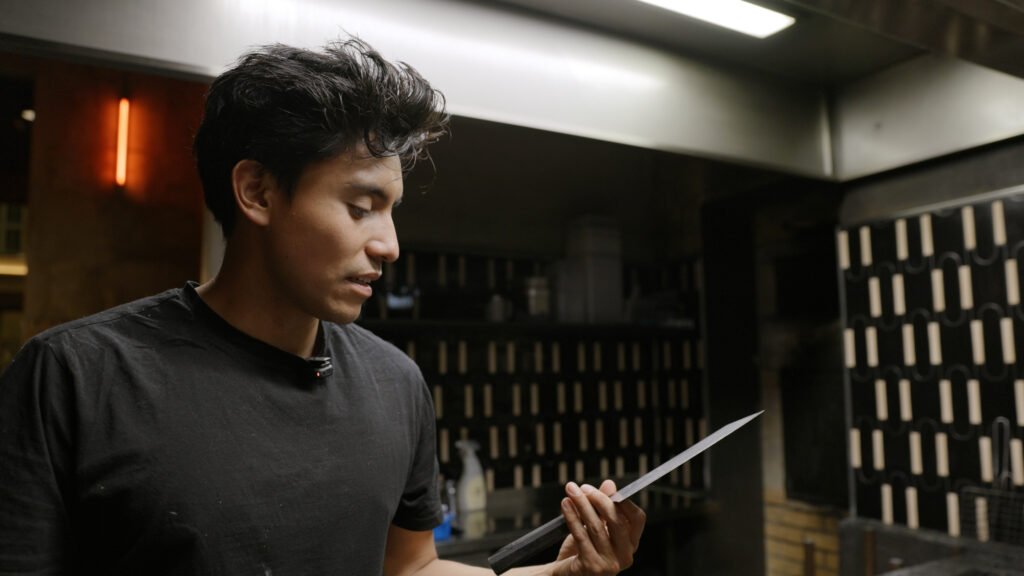
A good knife.
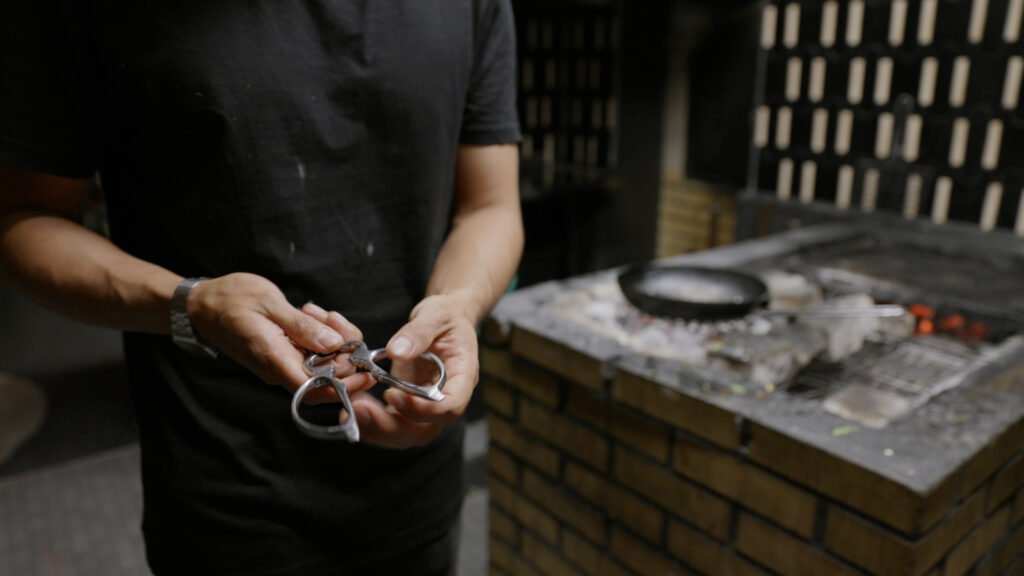
For a professional kitchen, a quality chef’s knife is essential. But Rodrigo also has another favourite: a pair of Japanese scissors that he uses for almost everything. In his kitchen, it can apparently do far more than simply prepare ingredients. It can even open cans and bottles.
You don’t necessarily need a kitchen full of expensive gadgets to cook better food. One genuinely good knife that you enjoy using can make a huge difference.
Our take on Katla
What stayed with us about Katla wasn’t simply one dish or one ingredient. It was the feeling of being there.
The atmosphere is relaxed and welcoming, with diners settled into conversation around the room. There is a natural buzz but it never feels overwhelming. Even the music sits comfortably in the background rather than competing with the conversations happening around you. It creates the kind of environment where you can settle in, take your time and actually enjoy being at the table.
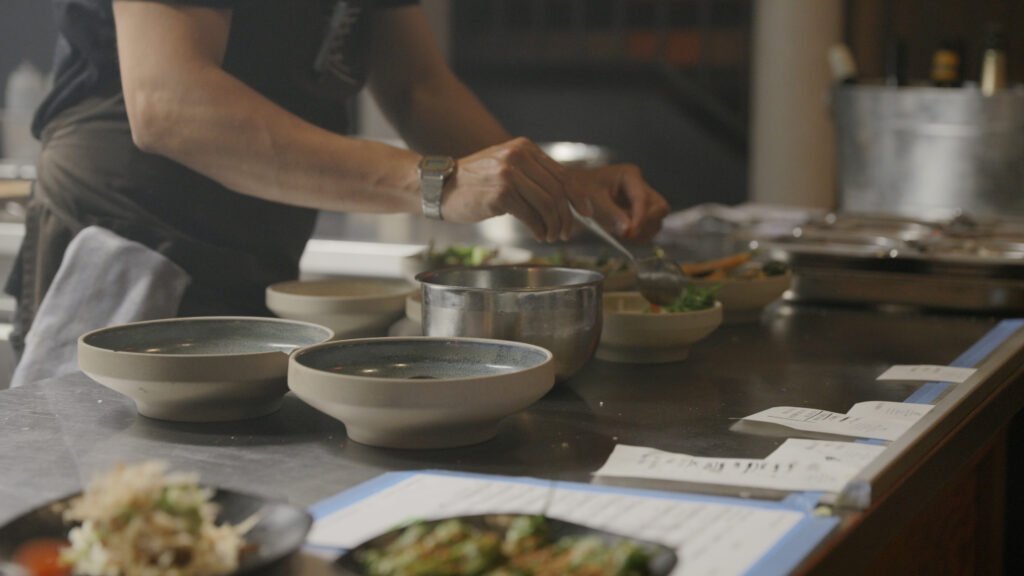
The open kitchen is the heart of the restaurant, with the enormous grill and stone oven acting as its centrepiece. You can watch the team move around one another, each person seemingly knowing exactly where they need to be and what needs to happen next. There is an obvious intensity to a kitchen like this where you can sense the pressure and pace during the busy periods but from the dining room, what you see is something quite different: complete harmony and professionalism.
And somehow, despite eating first-class dishes in a restaurant of this calibre, there is something incredibly comforting about the experience. The open kitchen, the warmth of the fire, the smoke in the air and the energy of the team create a feeling that is almost like being welcomed into someone’s home.
The menu changes with the seasons. The kitchen experiments. Mexican and Asian flavours meet Norwegian produce. The grill fills the room with smoke and fire. Artwork changes as pieces are sold and replaced. And at the centre of it all is a chef who has travelled from Mexico City to Oslo and adapted his cooking to a completely different food culture without losing the flavours that made him fall in love with food in the first place.
Mexico, Asia and Norway are all present, but none completely takes over. And perhaps that’s what makes it so interesting. It’s food with a sense of place, but also food that refuses to stay in one place.
Even the Yuzu Sake Margarita felt like part of that experience: fresh, unexpected and perfectly at home alongside the food. We enjoyed it enough to take the idea home with us and create our own Yuzu Sake Gimlet.
Check out our Yuzu Sake Gimlet recipe →
Katla is a great example of how some of the best food experiences happen when cultures, ingredients and ideas collide.